
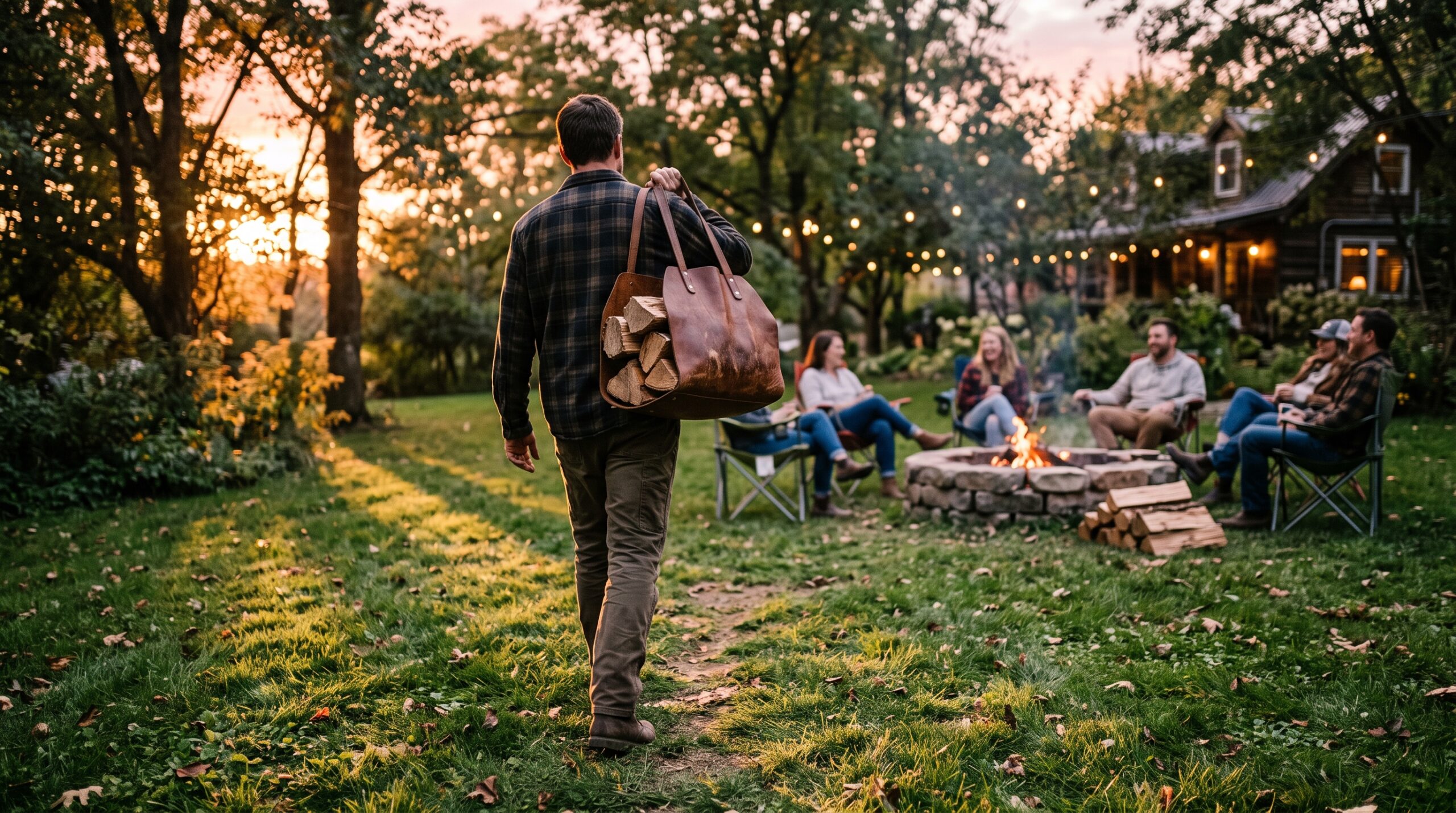

A backyard fire pit is meant to be relaxing, not a reason to make constant trips back and forth to the woodpile. Whether you’re hosting friends, roasting marshmallows with family, or enjoying a quiet evening outdoors, having the right firewood carrier keeps everything within reach and makes carrying logs much more comfortable.
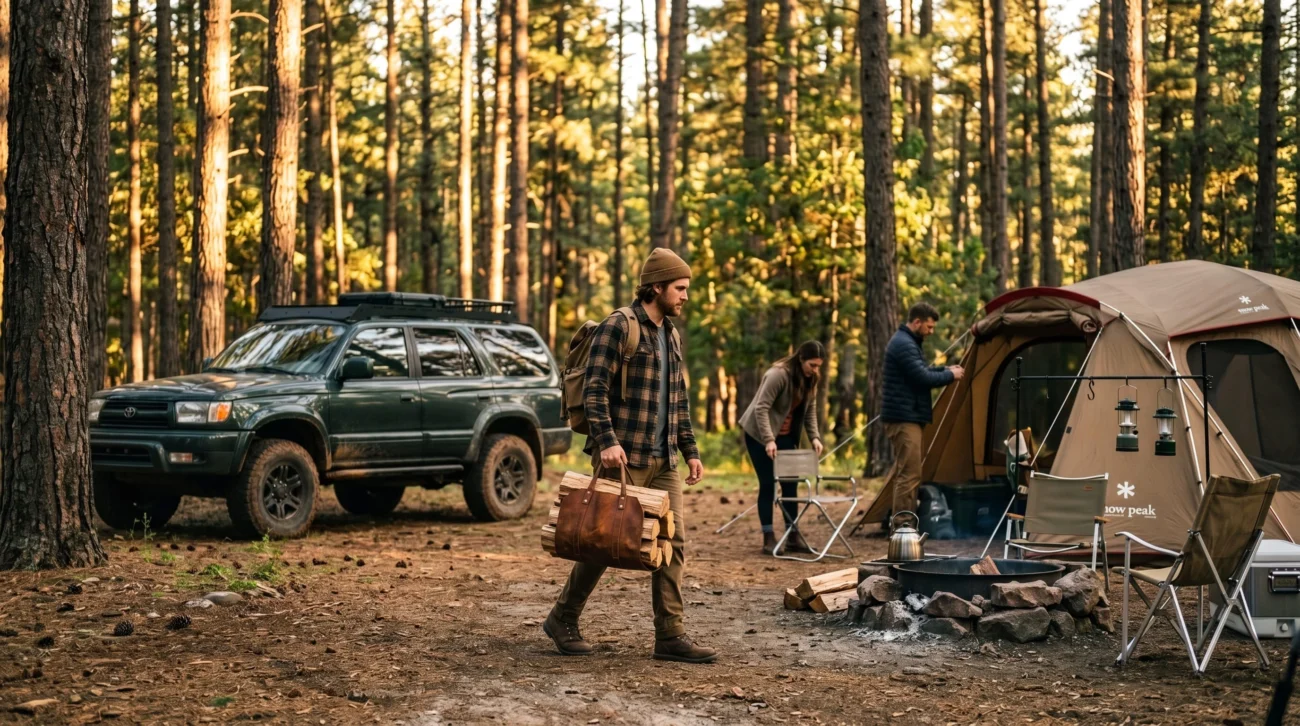
Outdoor use comes with its own challenges. Uneven ground, damp grass, gravel paths, and changing weather all affect how a carrier performs. A model that’s perfect for an indoor fireplace may not be the best choice for moving firewood across a yard or campsite.
If you already know what a firewood carrier is and why many homeowners prefer one over carrying logs by hand, it’s time to look at the features that matter most for outdoor fire pits.
Start With Your Outdoor Setup
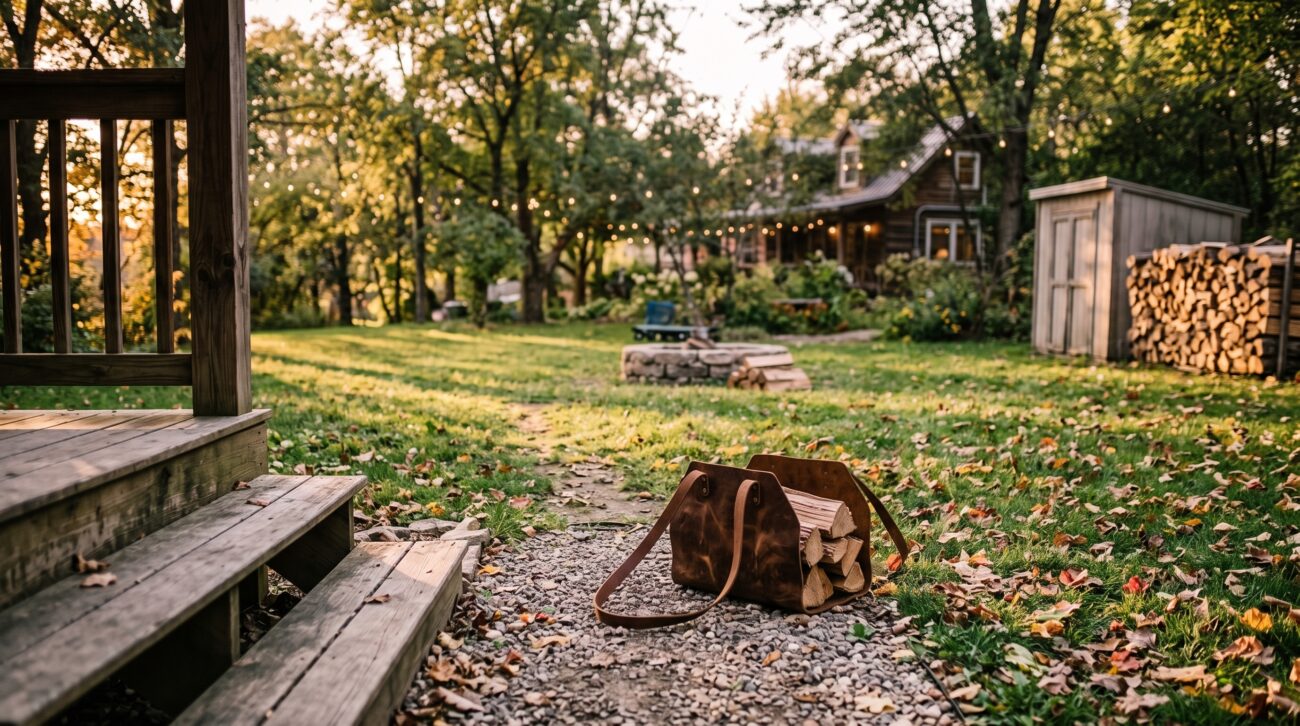
Before comparing materials or designs, think about your own outdoor space.
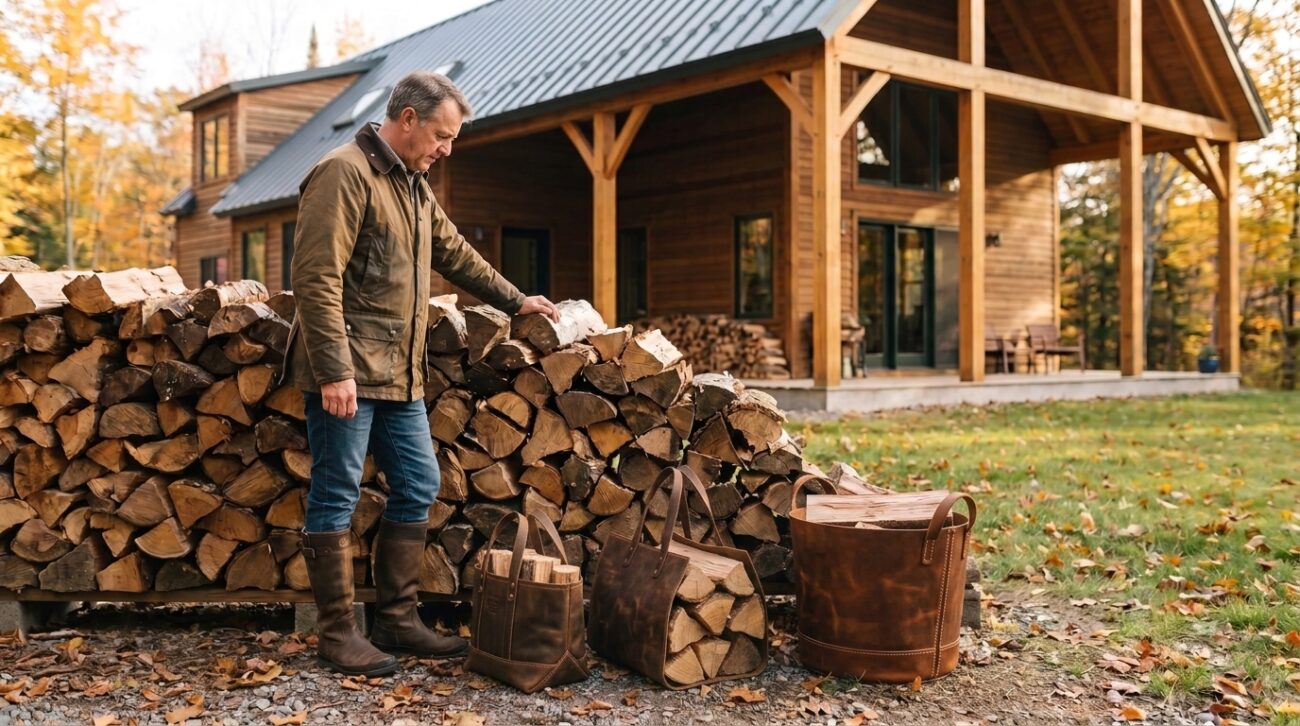
Some homeowners store firewood just a few steps from the fire pit, while others walk across a large backyard every time they need another bundle. The distance, terrain, and frequency of use all influence which carrier will feel most practical.
Ask Yourself These Questions
A few simple questions can narrow your options quickly.
- How far is your firewood storage from the fire pit?
- Do you use the fire pit every weekend or only occasionally?
- Are you carrying seasoned hardwood or lighter softwood?
- Will the carrier stay outside between uses?
- Do you usually carry one large load or several smaller ones?
Choosing a carrier that matches your routine is often more important than choosing the most expensive one.
Pick the Right Size
Many buyers assume a larger carrier is automatically better.
In reality, an oversized carrier can become uncomfortable once it’s packed with heavy hardwood logs. A load that’s easy to control is usually more useful than one that’s difficult to lift.
Smaller Carriers Work Best For
- Short walks to the fire pit
- Smaller backyard gatherings
- Lightweight bundles
- Easy storage after use
Larger Carriers Are Better For
- Long evenings around the fire
- Bigger outdoor entertaining areas
- Carrying hardwood logs
- Reducing repeated trips
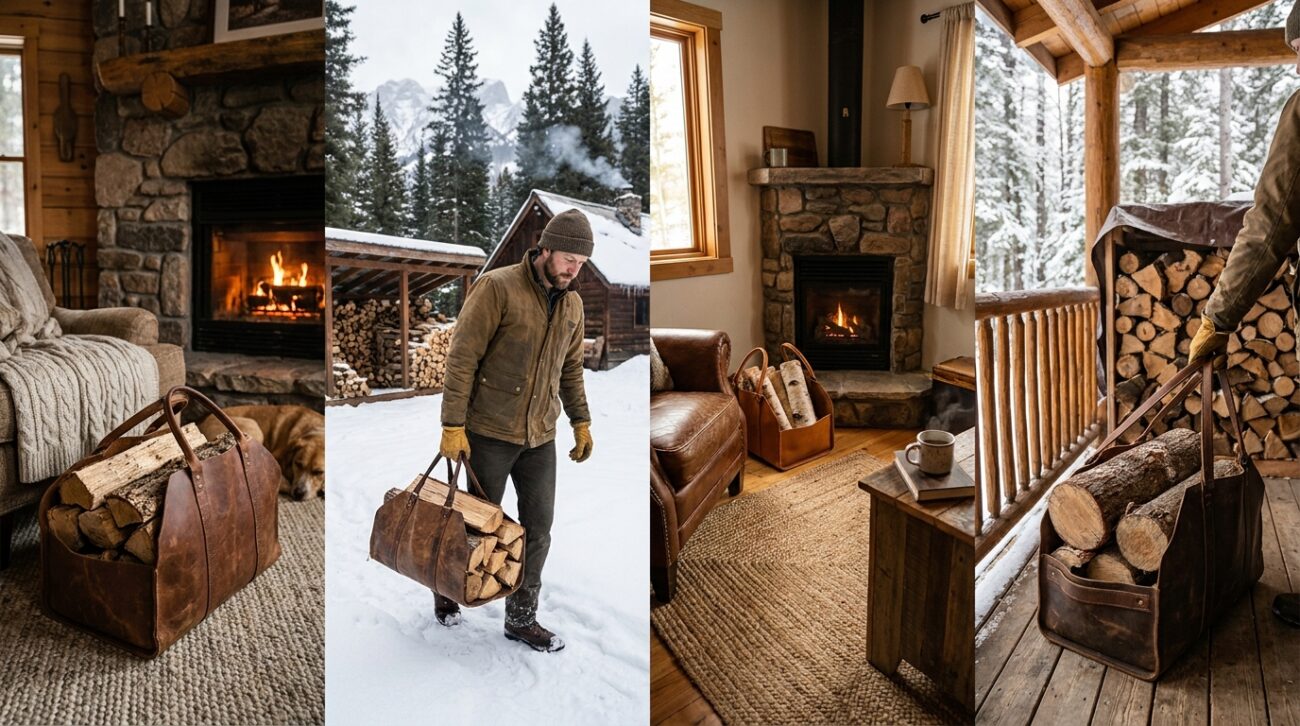
The ideal leather firewood log carrier should feel balanced from the moment you lift it until you place the logs beside the fire pit.
Choose a Material That Matches Outdoor Conditions
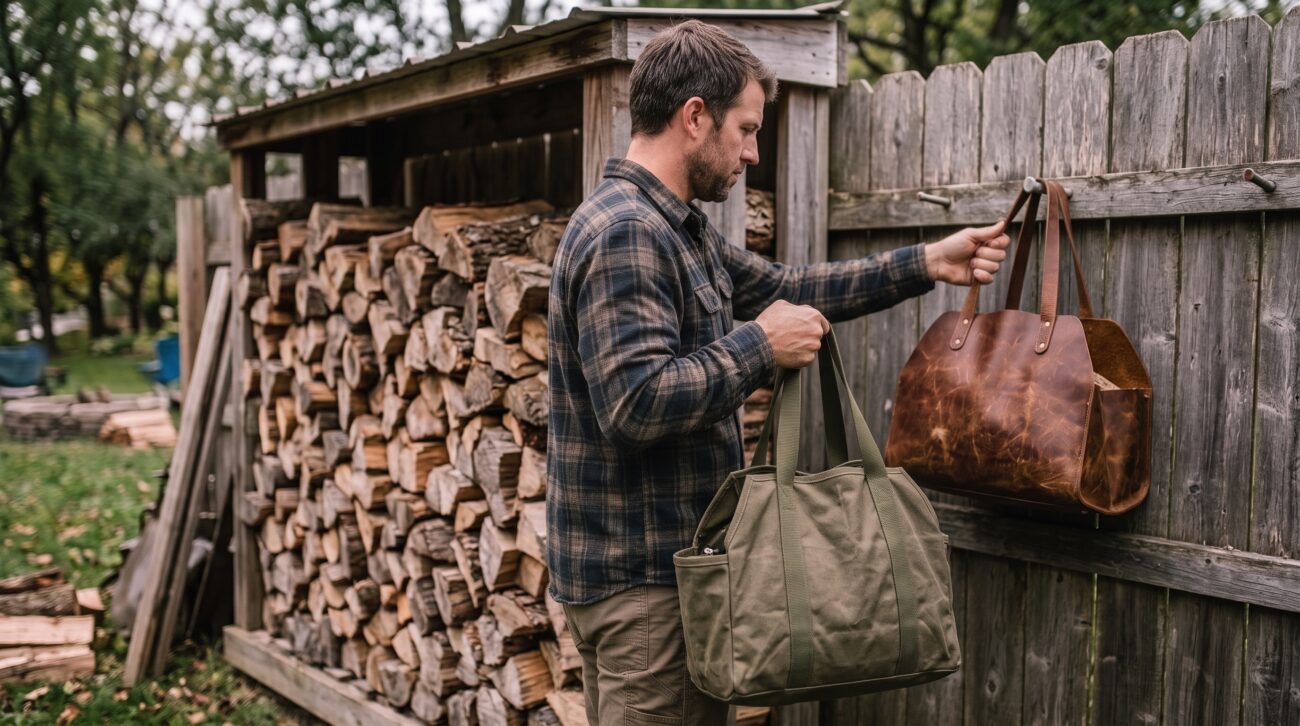
Outdoor environments expose a carrier to moisture, dirt, rough surfaces, and frequent lifting. The material plays a major role in how well it performs over time.
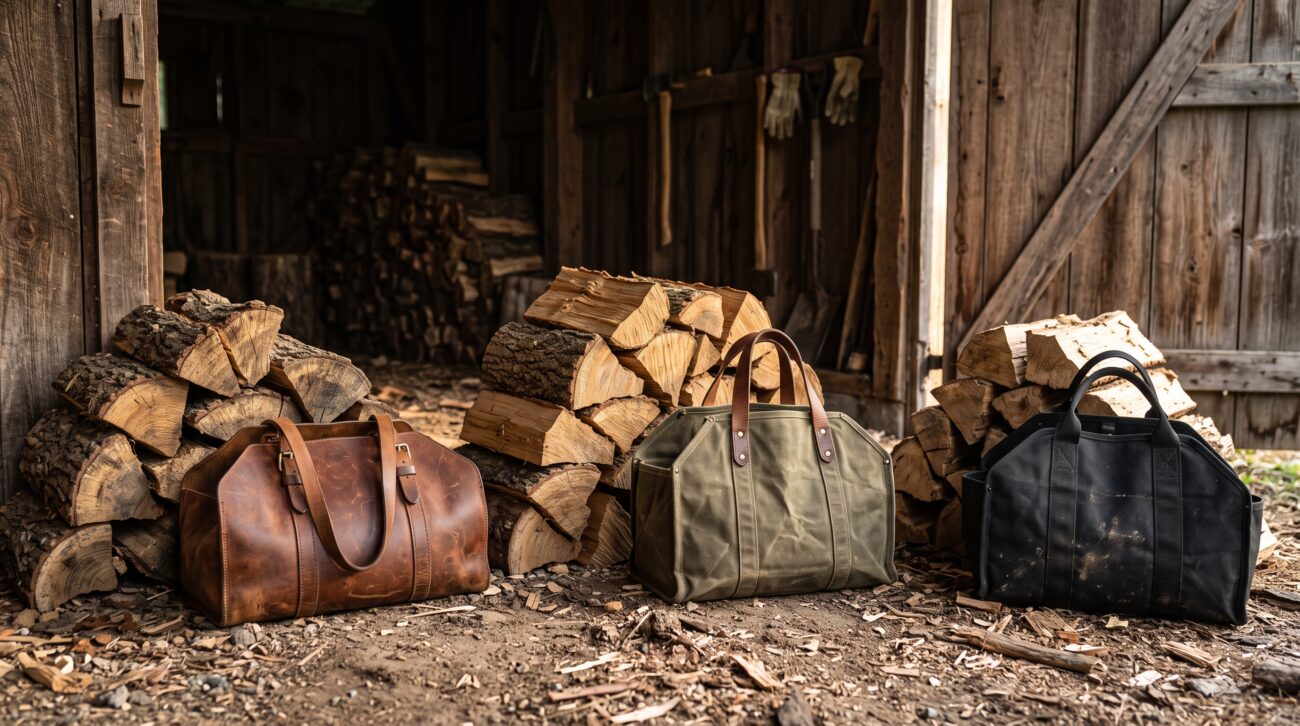
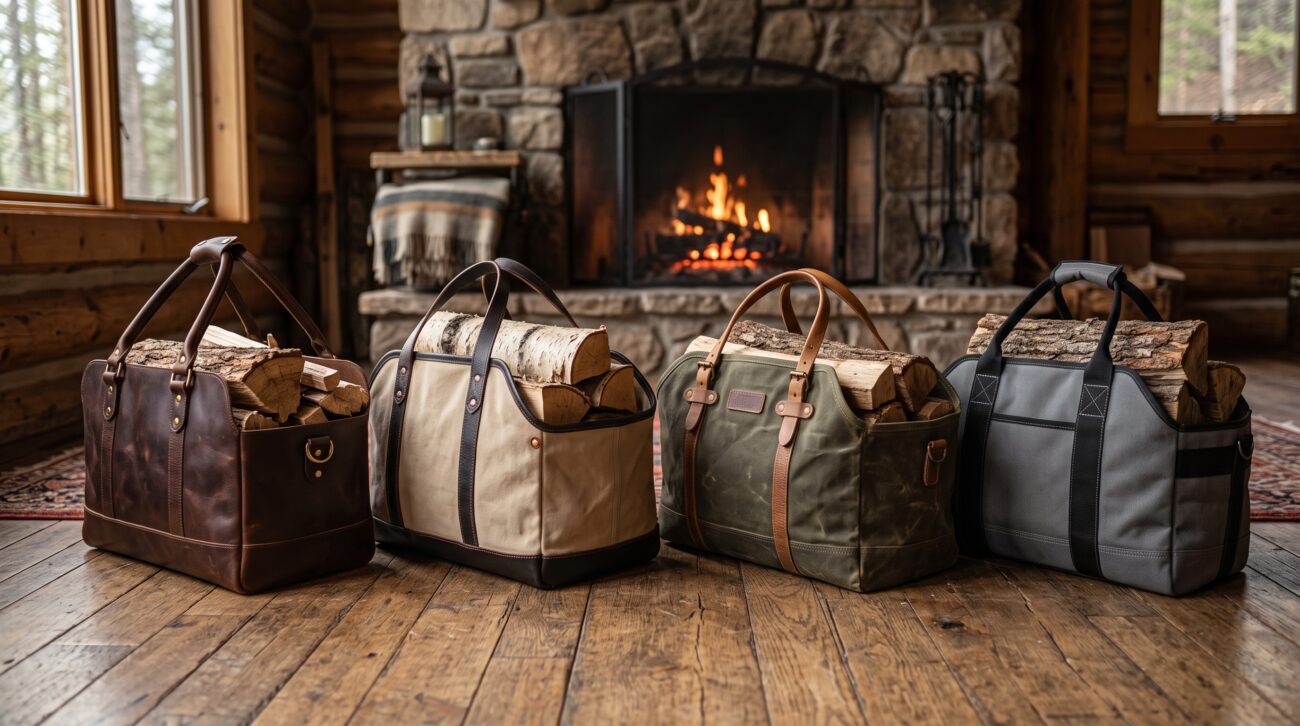
Leather
Leather remains one of the strongest options for homeowners who use their fire pit regularly.
A quality leather carrier holds its shape under heavier loads, offers a secure grip, and develops character with continued use. With basic maintenance, it can provide reliable service for many seasons.
Canvas
A canvas log carrier is lighter in weight and often easier to fold for storage.
It’s a practical option for occasional backyard fires, although it generally doesn’t maintain its structure as well under heavier loads.
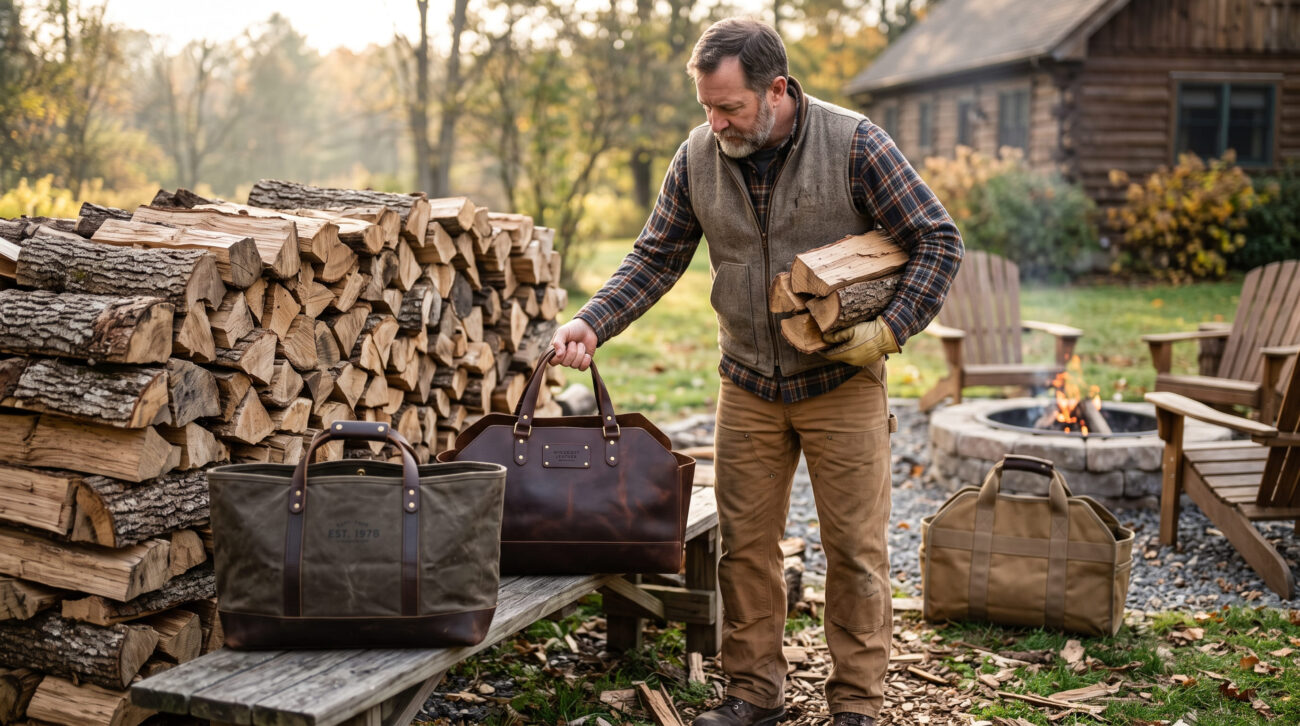
If you’re still deciding between materials, comparing leather, canvas, and fabric firewood carriers can make the strengths of each option easier to understand.
Look Beyond the Material
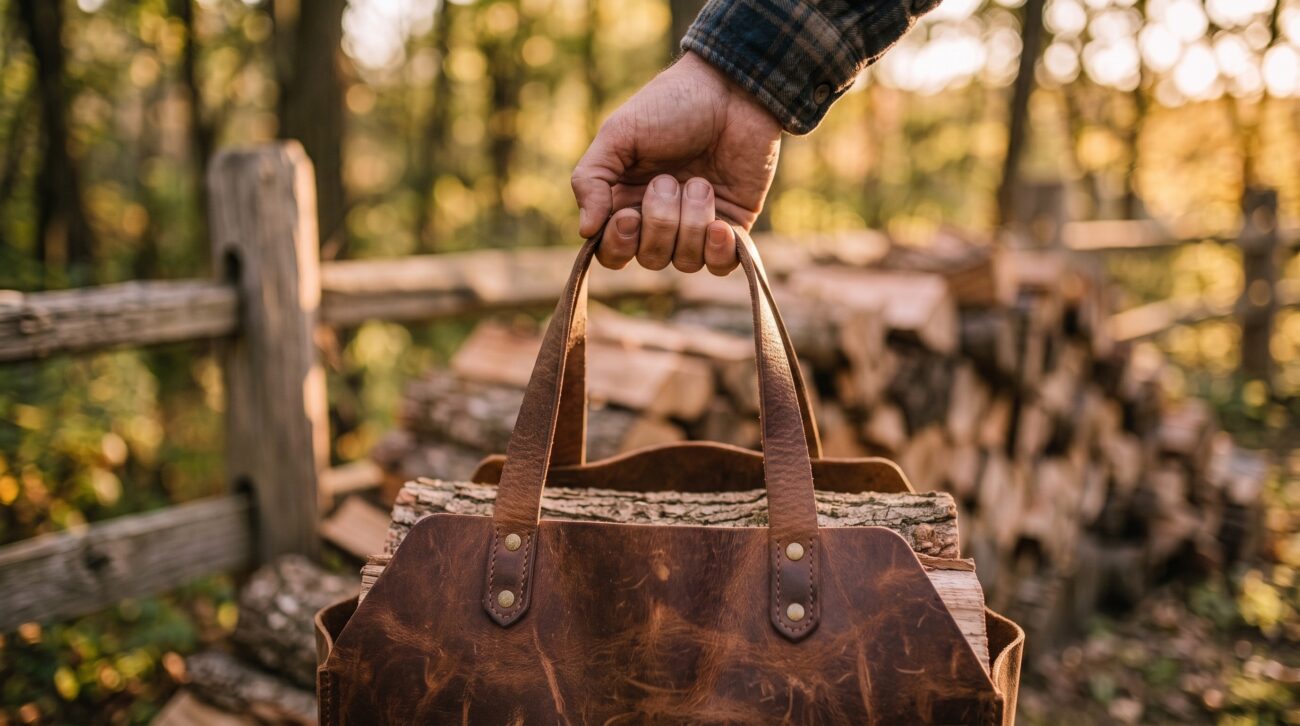
Two carriers made from the same material can perform very differently.
Construction quality often determines how well a carrier handles repeated outdoor use.
Strong Handles
The handles support the entire weight of the firewood.
Look for:
- Thick, comfortable grips
- Reinforced attachment points
- Enough space for a secure hold while wearing gloves
Comfort becomes especially important during colder months when carrying heavier loads.
Reinforced Stitching
Outdoor use places constant stress on seams.
Quality stitching helps prevent stretching and separation after repeated lifting.
Take a close look at the areas where the handles connect to the body of the carrier, as these points receive the most pressure.
Balanced Design
A well-balanced carrier distributes weight evenly, making it easier to walk across grass, gravel, or uneven paths.
Poorly balanced carriers often twist during transport, forcing you to adjust your grip several times before reaching the fire pit.
Think About Weather Resistance
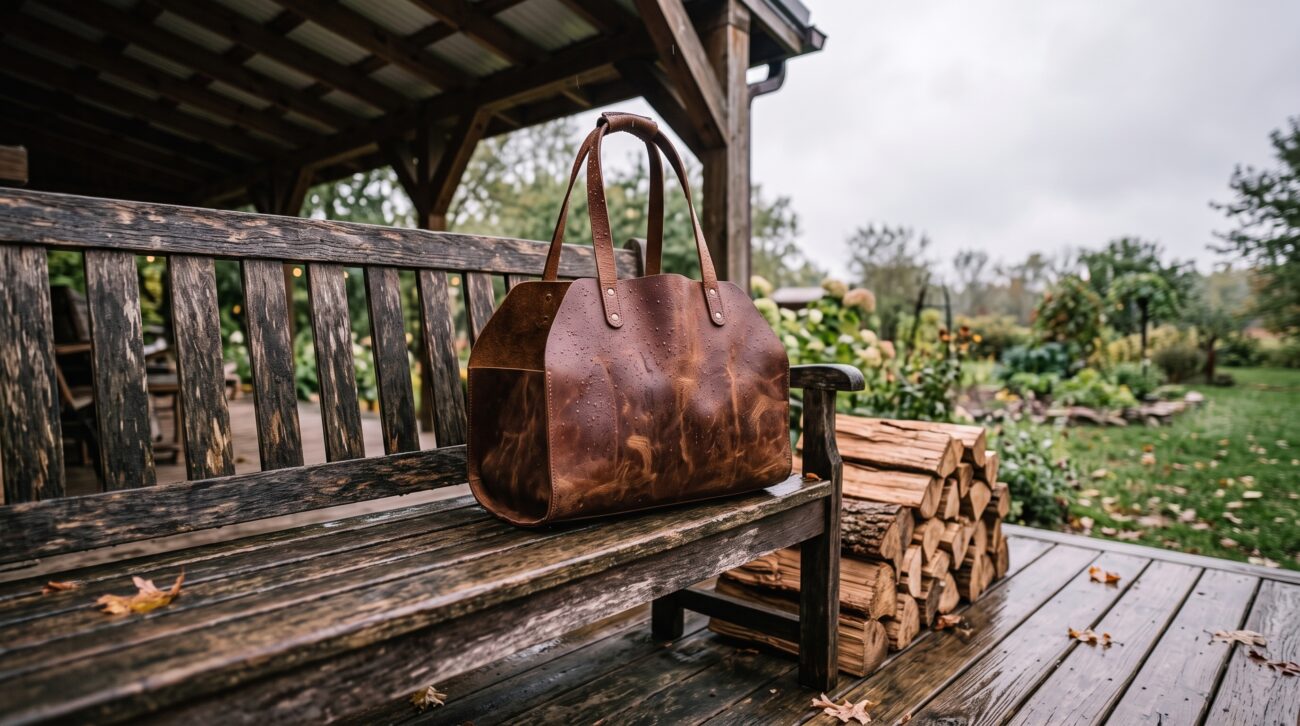
Outdoor accessories should be able to handle changing conditions.
While no carrier should be left outside permanently, some materials perform better when exposed to occasional moisture or fluctuating temperatures.
A good outdoor carrier should:
- Dry naturally after light moisture
- Resist stretching under heavy loads
- Maintain its shape after repeated use
- Be easy to clean after contact with bark, dirt, or leaves
Proper storage will always extend the life of your carrier, regardless of the material.
| Feature | Why It Matters Outdoors |
| Reinforced handles | Comfortable carrying over longer distances |
| Strong stitching | Prevents seam failure under heavy loads |
| Balanced shape | Easier to carry across uneven ground |
| Durable material | Better resistance to outdoor wear |
| Comfortable grip | Reduces hand fatigue during longer walks |
Pro Tip: Measure the distance between your woodpile and fire pit before buying a carrier. If the walk is longer than expected, a lighter, well-balanced load is usually more comfortable than carrying the maximum amount of firewood in one trip.
Choose a Design That Fits Outdoor Use
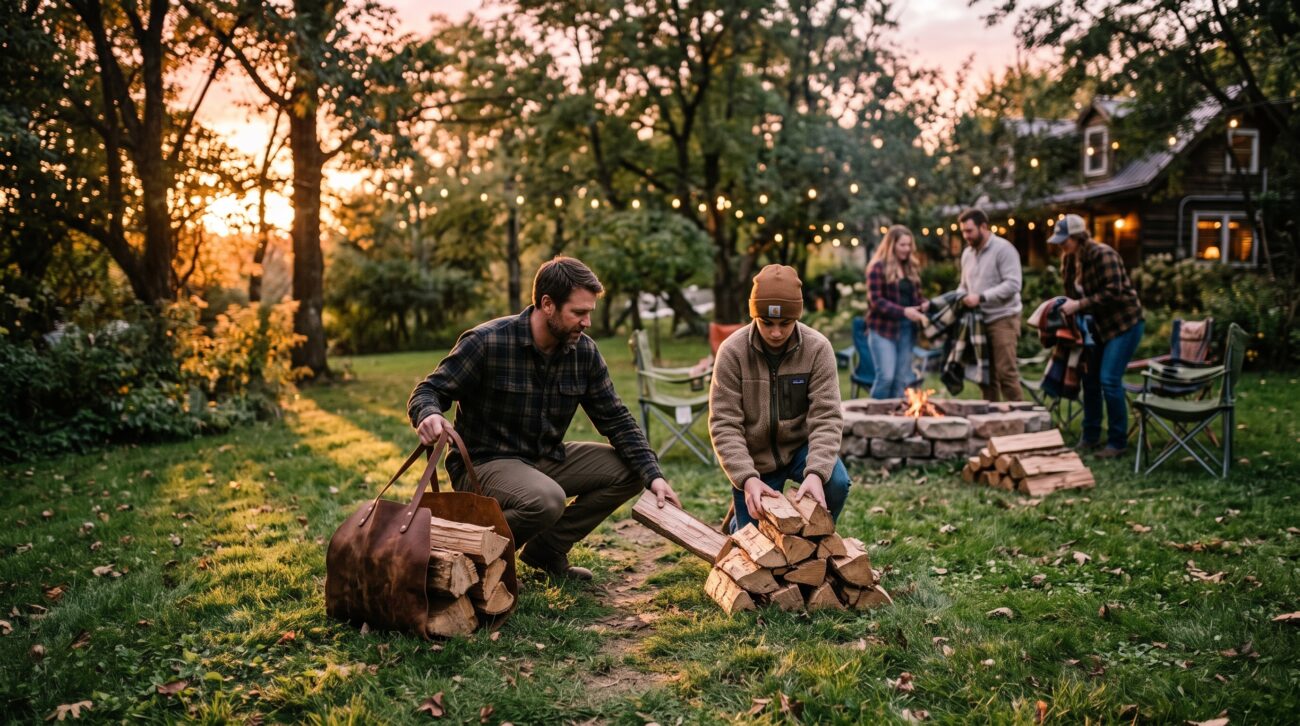
The shape of a firewood carrier affects more than its appearance. It changes how easily you can load logs, carry them across the yard, and unload them beside the fire pit.
If you’ve looked through the different types of firewood carriers, you’ve probably noticed that each design serves a different purpose.
Open End Carriers
Open-end carriers leave both ends of the logs exposed, making them a practical choice for outdoor fire pits.
They work well because they:
- Accommodate longer pieces of firewood
- Make loading and unloading quicker
- Handle irregular log sizes with ease
- Reduce the need to trim longer logs
Fully Enclosed Carriers
Enclosed carriers surround the entire bundle and help keep bark and loose debris contained.
Although they’re often associated with indoor fireplaces, they can also be useful outdoors when transporting smaller bundles from a woodshed or garage.
Comfort Matters More Than Capacity
It’s tempting to buy the largest carrier available, especially if you entertain outdoors.
However, carrying one oversized load across grass or gravel can be more tiring than making two comfortable trips.
Instead of asking, “How much can this carrier hold?” ask yourself, “How much can I comfortably carry?”
A carrier with good balance, sturdy handles, and the right dimensions usually feels lighter, even when carrying the same amount of firewood.
Features Worth Paying For
Not every premium feature is necessary, but some are worth the investment because they improve everyday use.
Comfortable Handles
Wide, reinforced handles reduce pressure on your hands and provide a more secure grip.
This becomes especially noticeable during winter when wearing gloves.
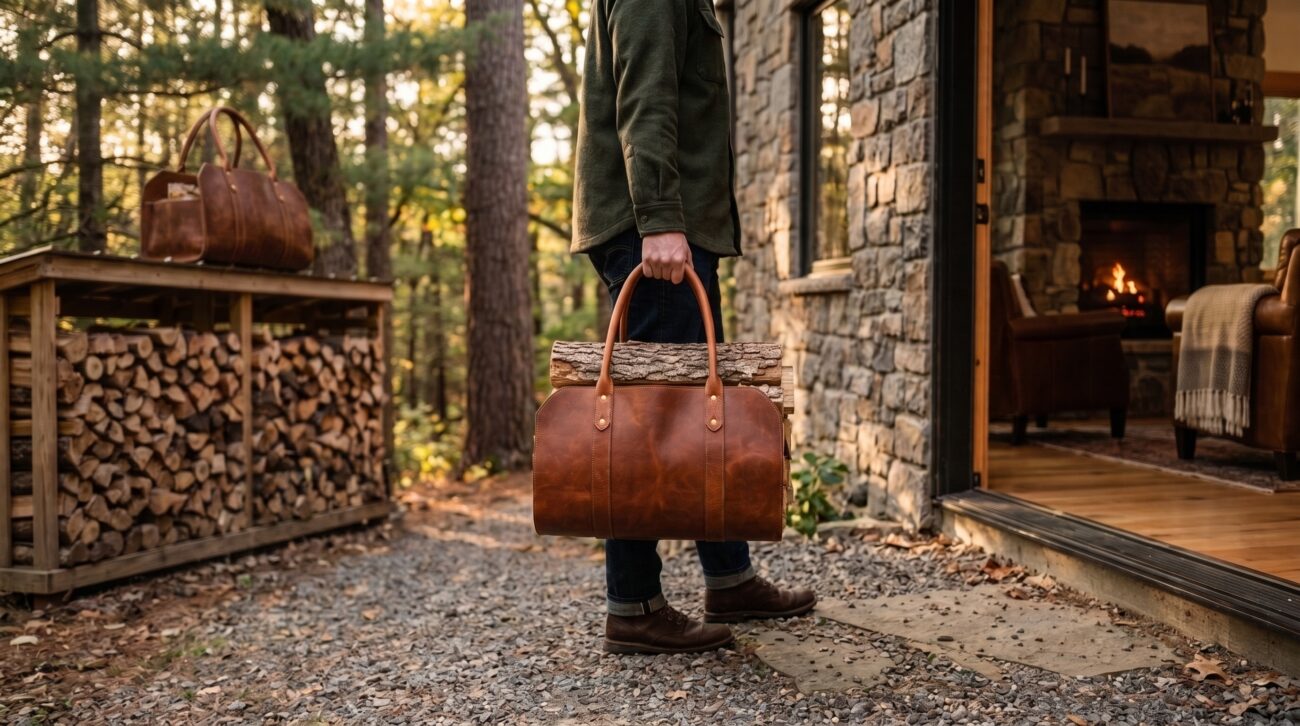
Thick Leather
A quality leather wood carrier is less likely to stretch under repeated heavy loads and generally maintains its shape better over time.
Strong Hardware
Metal rivets and reinforced attachment points strengthen areas that experience the most stress.
Combined with quality stitching, they contribute to a much longer service life.
Common Buying Mistakes
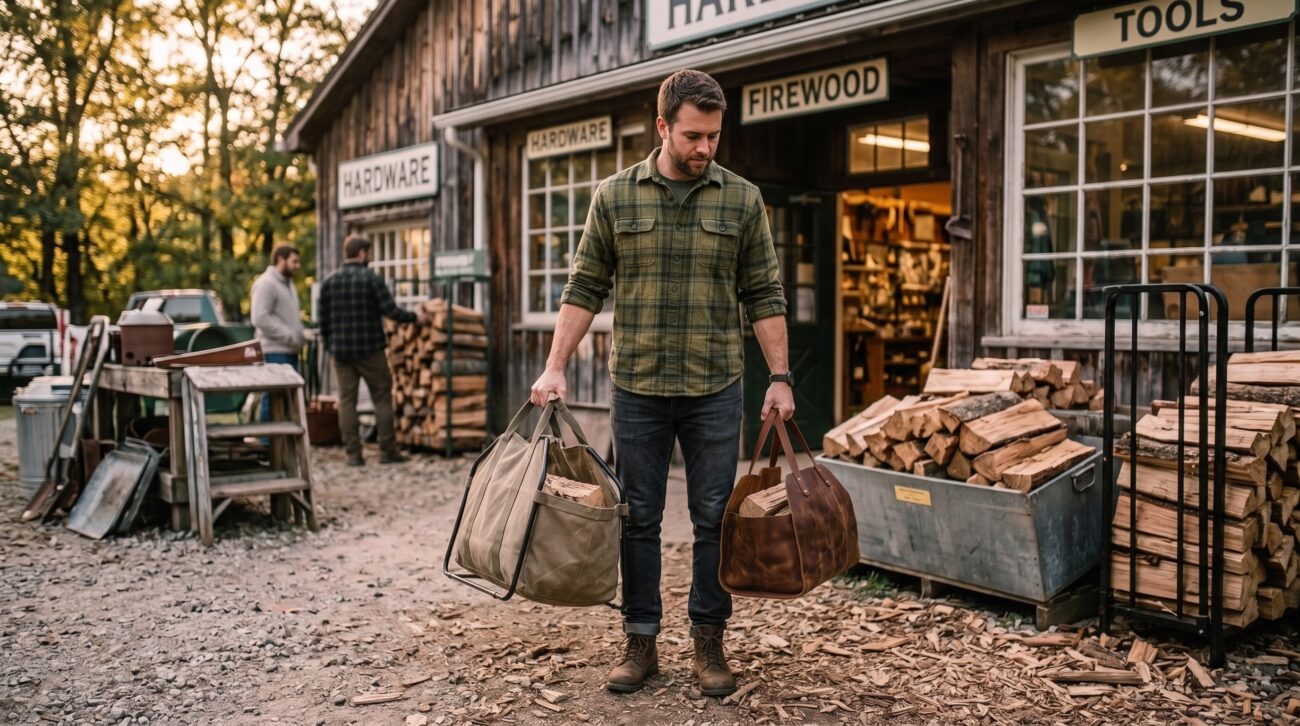
Many homeowners end up replacing a firewood carrier sooner than expected because they overlook a few important details.
Choosing Based Only on Appearance
A stylish carrier is always a bonus, but appearance shouldn’t come at the expense of comfort or durability.
Construction quality should always come first.
Buying the Wrong Size
An oversized carrier often becomes too heavy once it’s filled.
Likewise, an undersized model may require multiple unnecessary trips.
Choose a size that reflects how much firewood you normally burn during an evening outdoors.
Ignoring Build Quality
Pay attention to stitching, handles, and overall craftsmanship.
These details have a greater impact on durability than appearance alone.
A Quick Buying Checklist
Before making your decision, check that the carrier includes:
- Durable material suited for outdoor use
- Reinforced stitching
- Comfortable handles
- Balanced dimensions
- Strong attachment points
- Enough capacity for your typical fire pit gathering
Taking a few extra minutes to compare these features can save you from having to replace a carrier after only a season or two.
Pro Tip: If your fire pit is used throughout the year, choose a carrier that feels comfortable in every season. Thick handles, balanced weight, and durable construction become even more valuable during colder months when you’re wearing gloves and carrying heavier hardwood logs.
Conclusion
The best firewood carrier for an outdoor fire pit isn’t simply the biggest or the most expensive. It should match how you use your outdoor space, carry a comfortable amount of firewood, and hold up well in changing weather and repeated use.
By focusing on material quality, sturdy construction, handle comfort, and the right size, you’ll end up with a carrier that makes every trip to the fire pit easier. A well-made carrier isn’t just another accessory; it becomes a dependable part of every outdoor gathering, from quiet evenings with family to larger backyard celebrations.
FAQs
1. What is the best material for an outdoor firewood carrier?
Leather is an excellent choice for frequent use because of its durability and strength, while canvas is suitable for lighter, occasional use.
2. What size firewood carrier is best for outdoor fire pits?
Choose a size that comfortably carries enough firewood for one gathering without becoming too heavy to lift.
3. Can I leave my firewood carrier outside?
It’s best to store any firewood carrier in a dry, covered area when not in use. This helps extend its lifespan regardless of the material.
4. Is leather suitable for outdoor use?
Yes. With basic care and proper storage, a quality leather carrier performs very well outdoors and develops character over time.
5. Are open-end carriers better for fire pits?
Open-end designs are often preferred because they accommodate longer logs and make loading and unloading quicker.
6. How do I clean a leather firewood carrier?
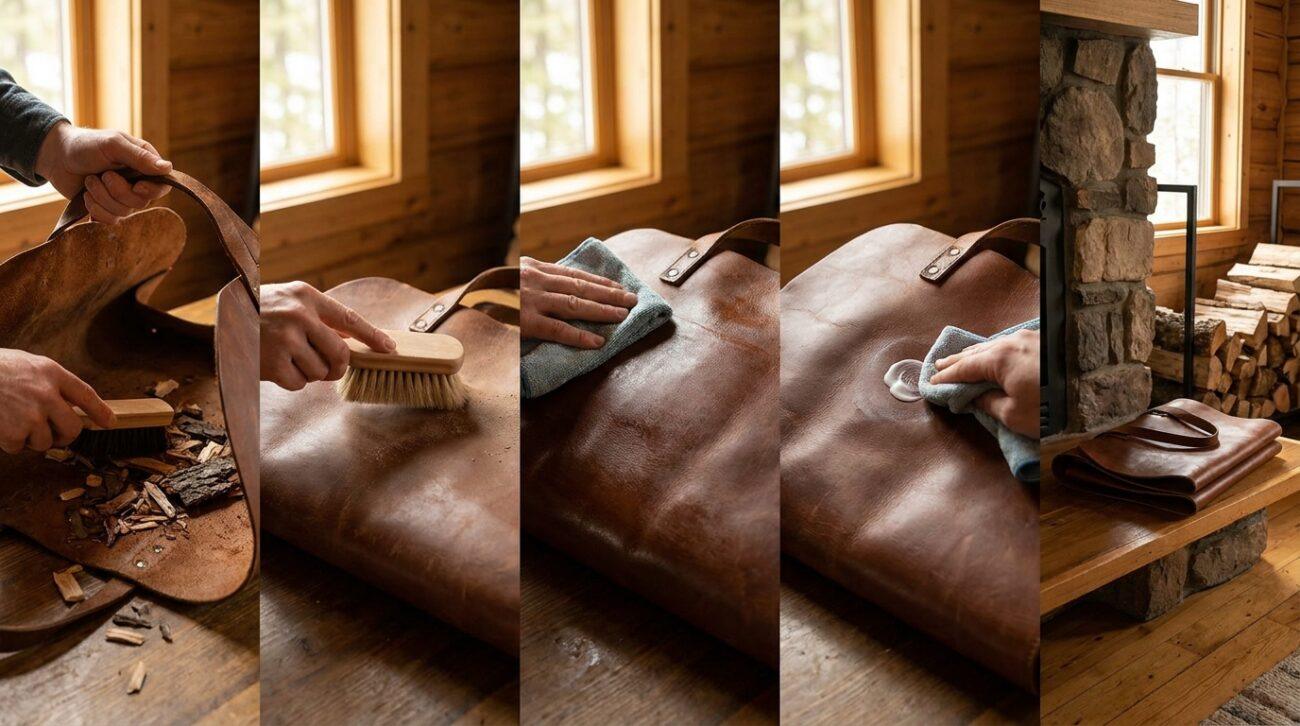
Wipe away dust and dirt with a soft cloth, allow it to dry naturally if it becomes damp, and apply leather conditioner a few times each year.
7. Should I buy a larger carrier for fewer trips?
Not always. A balanced load is usually easier and safer to carry than an oversized bundle of firewood.
8. Which features should I prioritize before buying?
Look for quality materials, reinforced stitching, strong handles, balanced construction, and a size that suits your usual firewood routine.