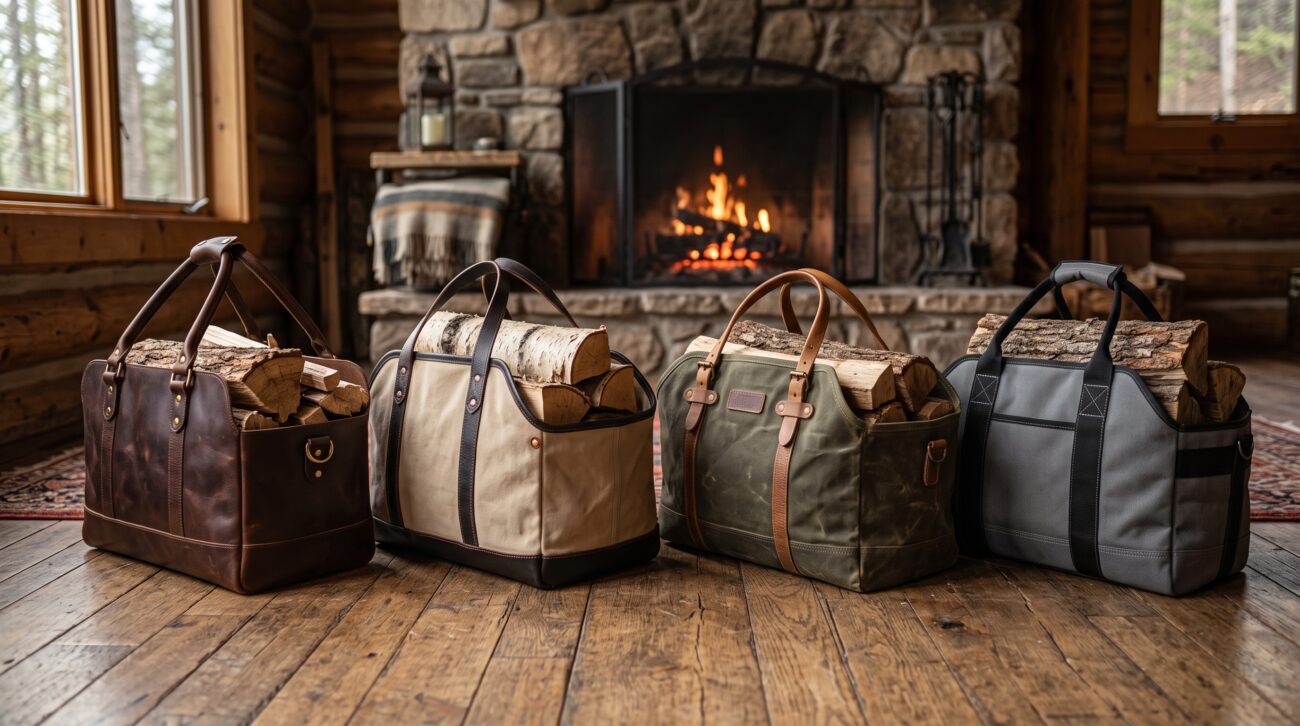

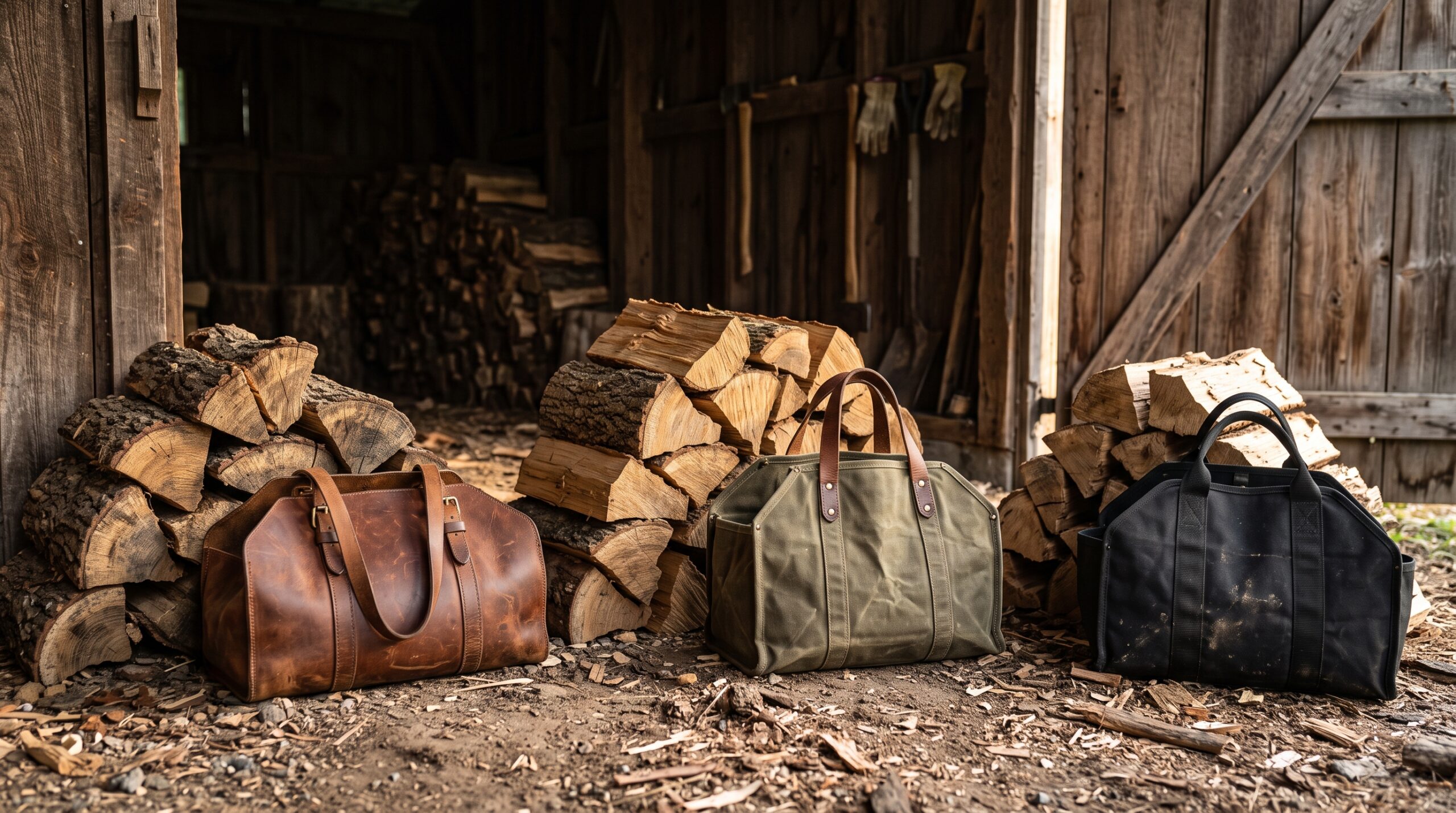

Choosing a firewood carrier may seem straightforward until you compare the materials. Leather, canvas, and fabric carriers all serve the same purpose, but they perform very differently over time. The right choice depends on how often you carry wood, the weight of each load, weather conditions, and how long you expect the carrier to last.
People who recently learned what a firewood carrier is often assume every model performs the same. In reality, the material determines durability, maintenance, comfort, and long-term value. Understanding these differences makes it much easier to invest in a carrier that fits your routine instead of replacing it every season.
This comparison explains how each material performs in practical situations rather than focusing only on specifications.
Why Material Matters More Than Most Buyers Expect
The material affects much more than appearance. It determines how much weight the carrier can comfortably support, how it responds to moisture, how easily it cleans, and whether it remains reliable after years of repeated use.
If you already understand why people prefer using a firewood carrier instead of carrying logs by hand, the next step is choosing a material that matches your workload.
Common Factors Worth Comparing
Before selecting any carrier, consider these practical points:
- Durability over years of use
- Weight carrying capacity
- Resistance to moisture
- Ease of cleaning
- Comfort while carrying
- Storage convenience
- Long-term maintenance
- Overall value for money
These factors usually have a greater impact on daily use than the appearance of the carrier itself.
Leather Firewood Carriers
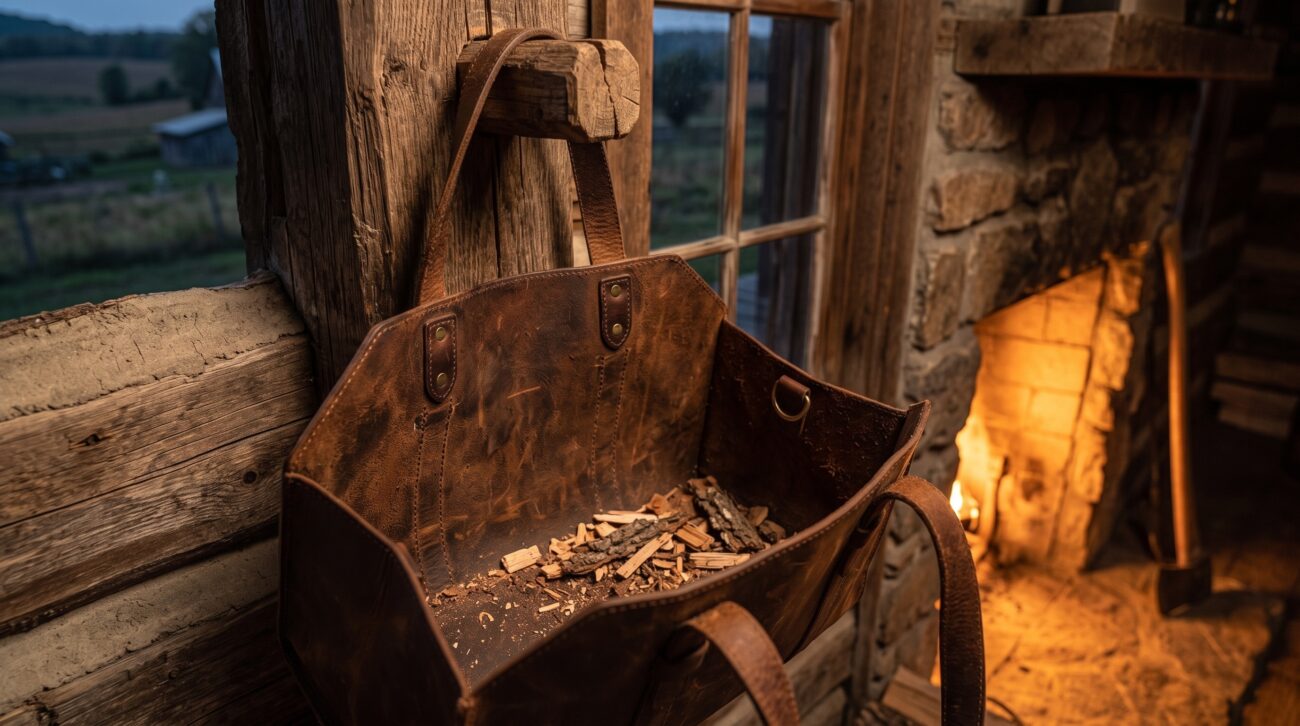
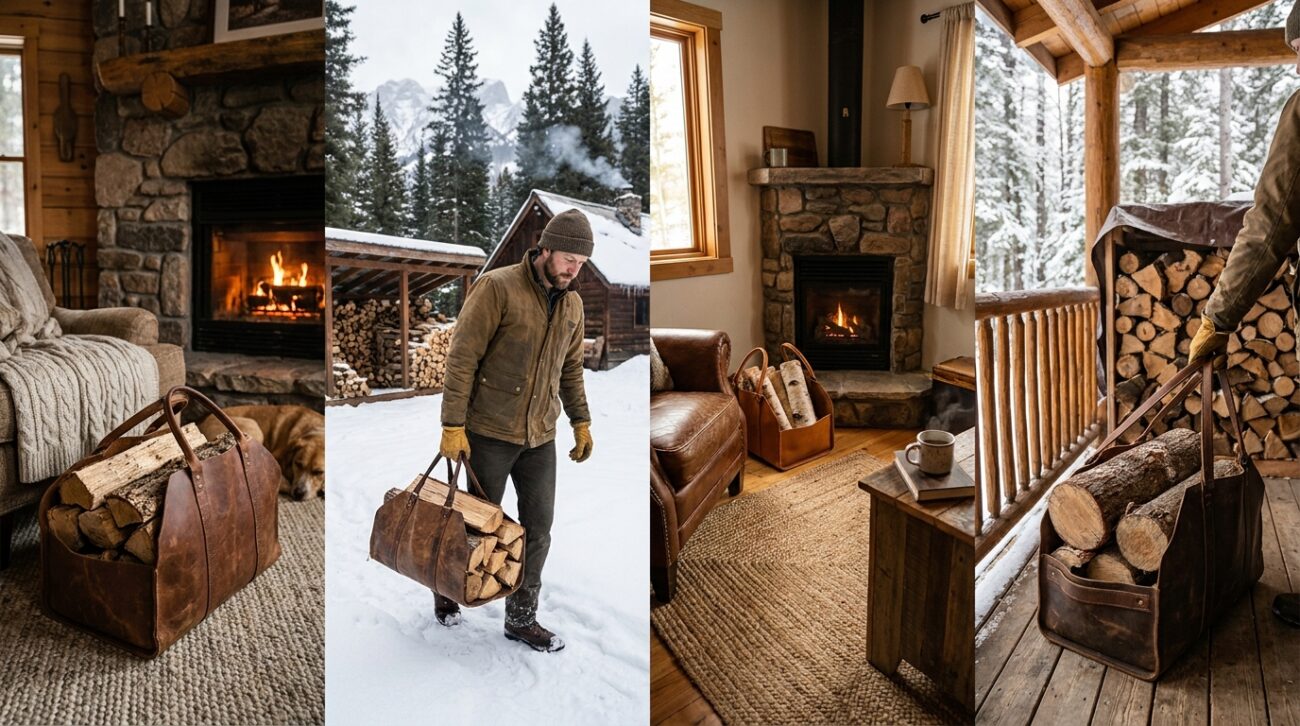
A leather firewood carrier is designed for people who regularly transport heavy loads. Full-grain leather naturally handles repeated stress while gradually becoming softer with use without losing structural strength.
Strength Under Heavy Loads
Leather stretches very little compared to many woven materials. This helps maintain balance when carrying larger bundles of firewood.
Because of its natural strength, a quality leather firewood log carrier often remains dependable for many years when properly maintained.
Long Term Durability
Leather performs especially well under repeated use. Instead of weakening quickly, it develops a natural patina that many users appreciate.
Minor scratches generally blend into the surface over time rather than affecting performance.
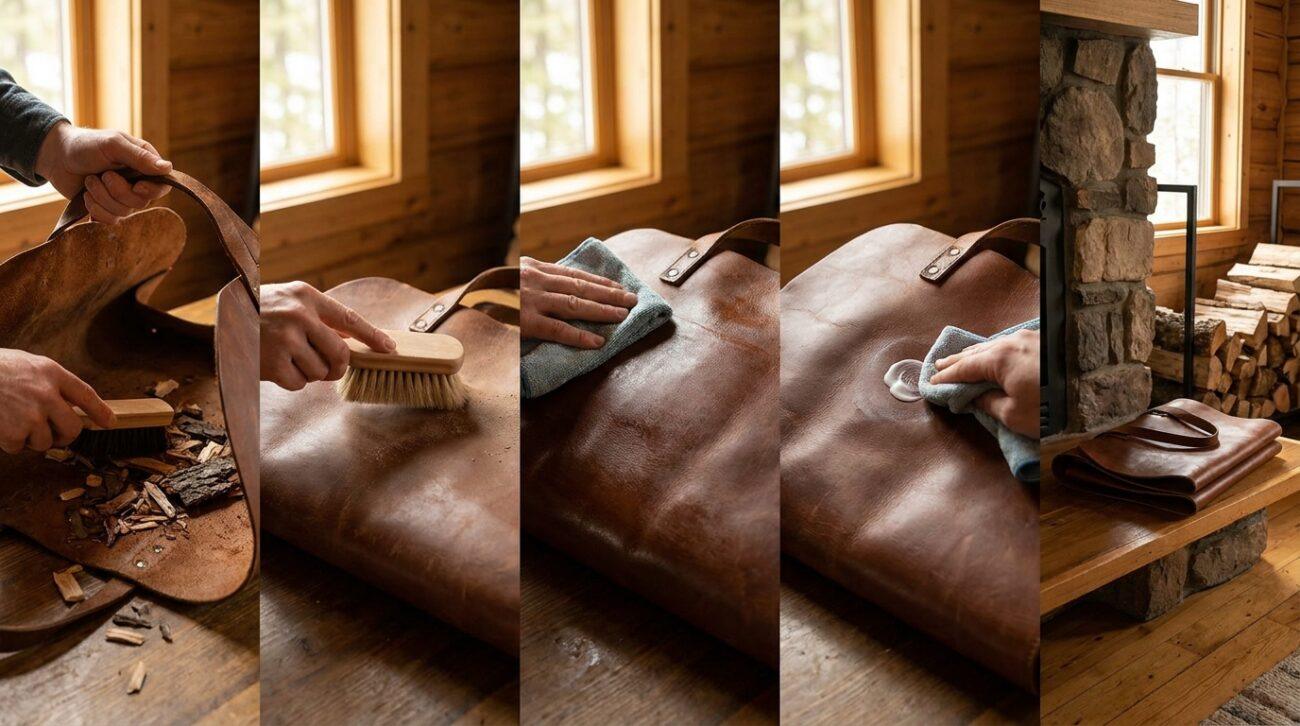
Maintenance Requirements
Leather requires occasional conditioning to prevent excessive drying, particularly in climates with low humidity.
Simple maintenance includes:
- Wiping away dust and dirt
- Allowing the carrier to dry naturally after exposure to moisture
- Applying leather conditioner several times each year
Regular care helps preserve flexibility and appearance without requiring significant effort.
Canvas Firewood Carriers
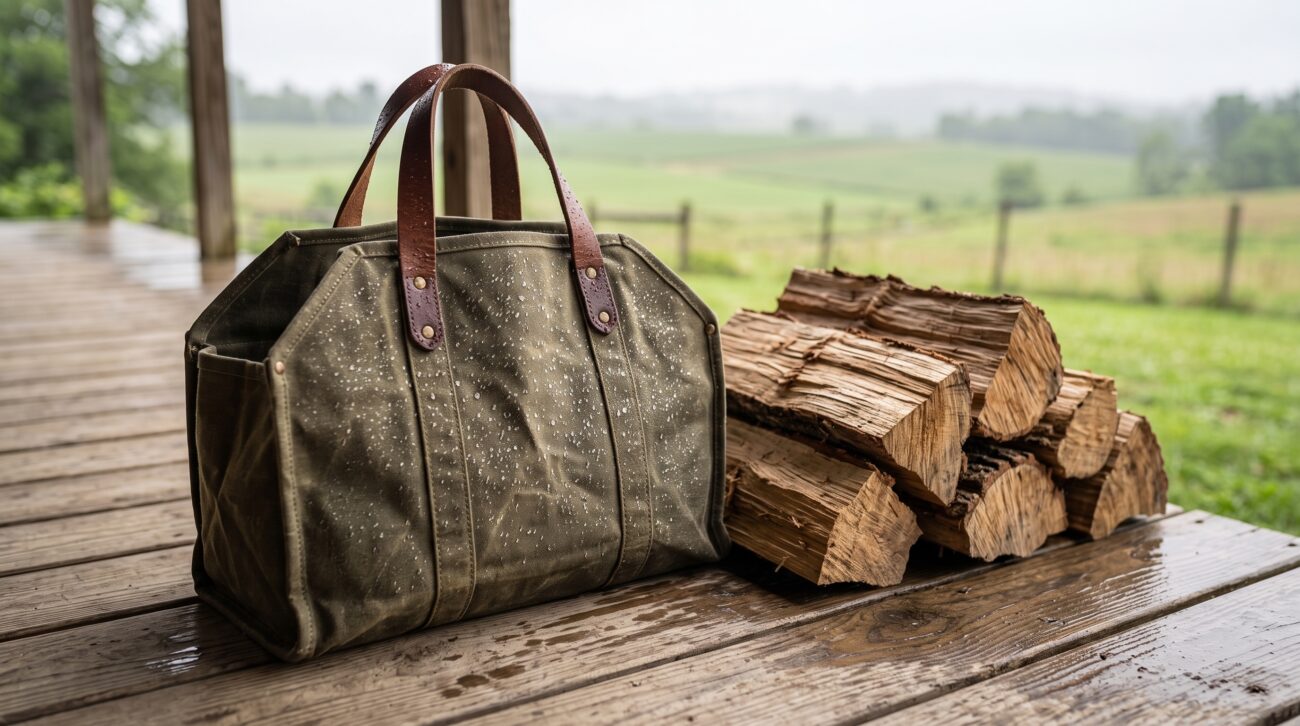
Canvas remains one of the most common alternatives because it balances affordability with dependable strength.
A quality canvas wood carrier can comfortably transport moderate loads while remaining lighter than leather.
Lightweight and Practical
Canvas is often preferred by homeowners who occasionally carry firewood rather than transporting large amounts every day.
Its lighter weight makes storage and handling easier.
Moisture Performance
Waxed canvas provides improved resistance against moisture compared to untreated fabric. However, prolonged exposure to heavy rain eventually affects most canvas materials unless they receive periodic treatment.
Maintenance
Canvas generally requires less specialized care than leather.
Most cleaning simply involves:
- Brushing away loose debris
- Spot cleaning stains
- Air drying before storage
Some waxed models benefit from occasional rewaxing to maintain water resistance.
Fabric Firewood Carriers
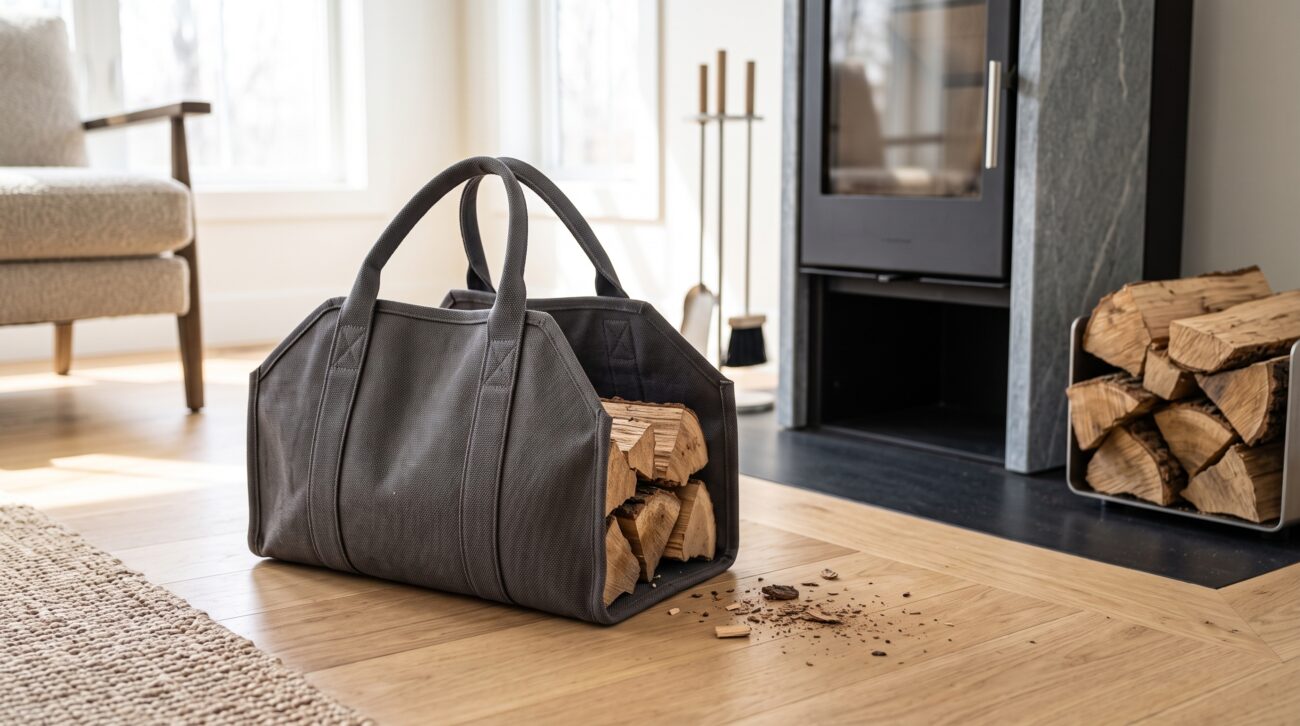
Modern fabric carriers usually use synthetic materials such as polyester or reinforced nylon.
These models prioritize convenience and affordability over long-term durability.
Suitable for Occasional Use
Fabric carriers often work well when:
- Carrying smaller bundles
- Seasonal fireplace use
- Indoor storage
- Short transport distances
For lighter household needs, they can perform adequately without a significant investment.
Limitations
Fabric typically wears faster under heavy loads.
Continuous exposure to rough bark, sharp wood edges, and repeated lifting may eventually weaken stitching or material strength faster than leather or heavy canvas.
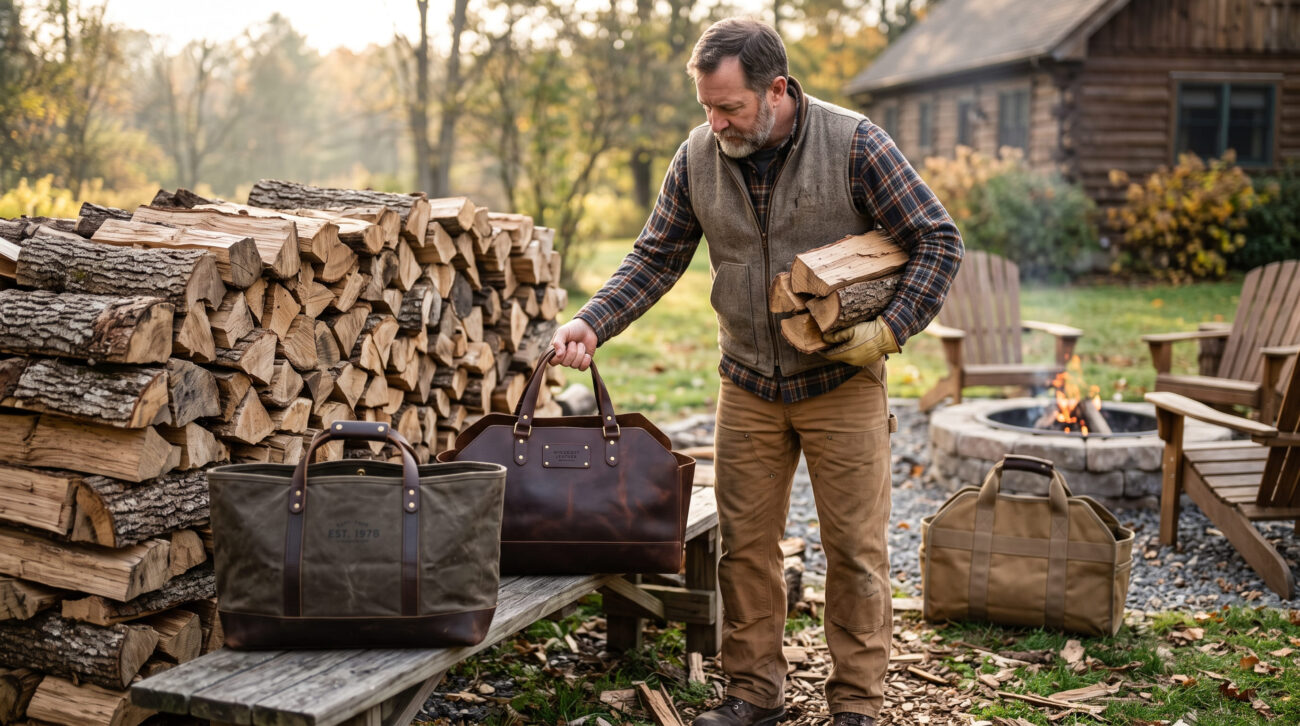
Side by Side Material Comparison
| Feature | Leather | Canvas | Fabric |
| Durability | Excellent | Very Good | Moderate |
| Heavy Load Capacity | Excellent | Good | Fair |
| Weather Resistance | Good with care | Good (Waxed Canvas) | Moderate |
| Maintenance | Moderate | Low | Very Low |
| Lifespan | Long | Medium to Long | Short to Medium |
| Appearance Over Time | Develops Patina | Slight Fading | Shows Wear Faster |
Pro Tip: Buying the strongest material available is not always the best decision. Match the carrier to how frequently you transport firewood. Daily users often benefit from leather, while occasional users may find canvas sufficient.
Real World Performance Comparison
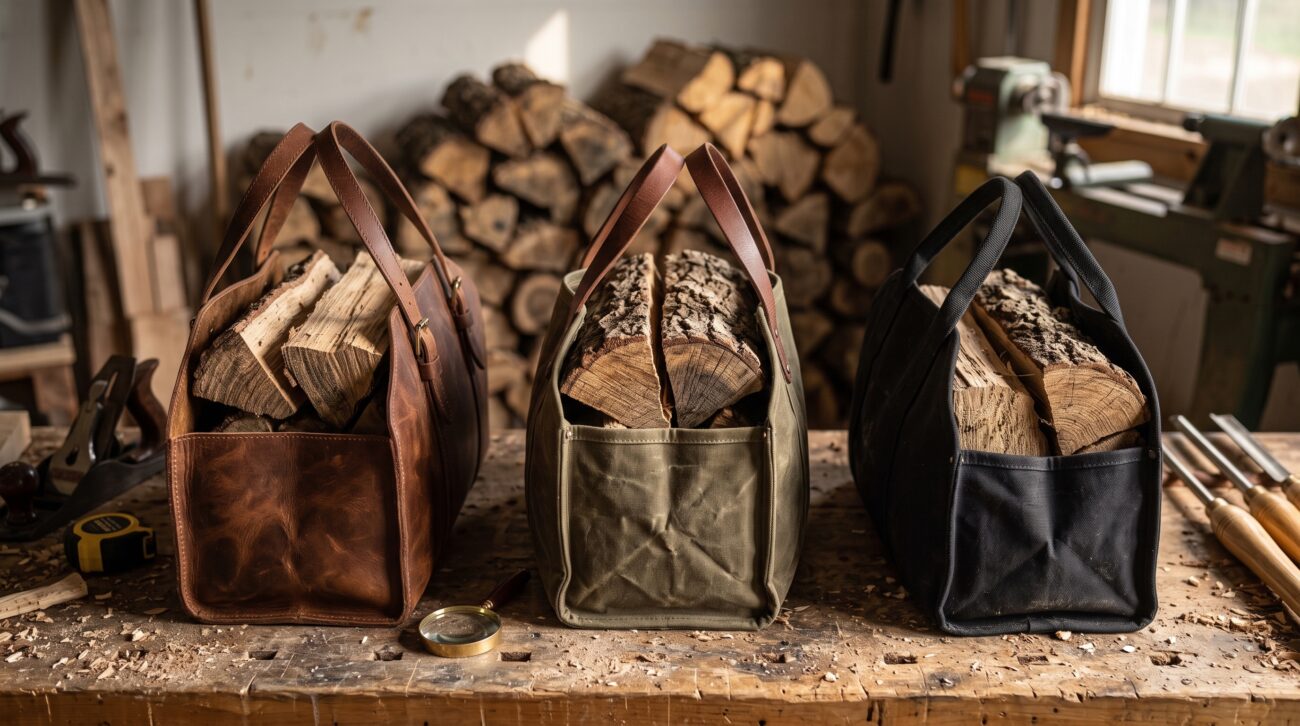
Specifications tell only part of the story. The better comparison comes from how each material performs after months or years of regular use.
For Frequent Firewood Use
If you carry firewood several times a week during winter, durability becomes more important than initial cost. A leather wood carrier maintains its shape, supports heavier loads, and resists stretching better than most alternatives.
Canvas also performs well for frequent use, especially if it is made from heavy-duty waxed material. Fabric carriers may begin showing wear sooner under the same workload.
For Occasional Fireplace Use
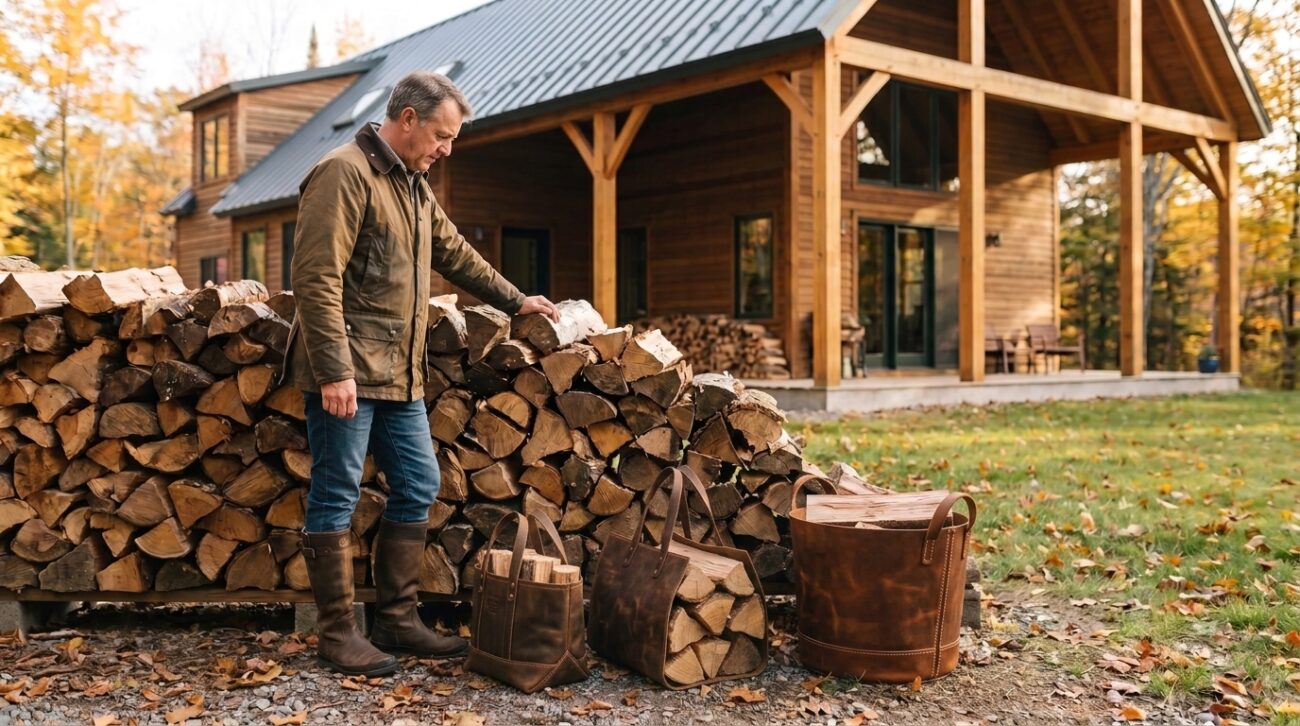
Not everyone needs the strongest carrier available. If you only bring in firewood on weekends or during colder months, a quality canvas model often provides a practical balance between durability and weight.
Fabric carriers can also be suitable for occasional indoor use, provided the loads remain relatively light.
For Outdoor Storage
No firewood carrier should remain outdoors continuously, regardless of the material. Prolonged exposure to rain, direct sunlight, and changing temperatures can shorten its lifespan.
After use, allowing the carrier to dry naturally before storing it in a sheltered area helps preserve its condition.
Cost vs. Long-Term Value
The purchase price is only one part of the overall investment.
Leather carriers generally cost more initially, but their long service life often offsets that expense for people who use them regularly.
Canvas usually falls into the middle price range, offering dependable performance without the higher upfront investment.
Fabric carriers are typically the least expensive option, although frequent replacement may increase their overall cost over time.
Which Option Offers Better Value?
The answer depends on how often you transport firewood.
| Usage Pattern | Recommended Material | Reason |
| Daily or heavy use | Leather | Highest durability and excellent load support |
| Weekly household use | Canvas | Good balance of strength and affordability |
| Occasional light use | Fabric | Lightweight and economical |
Understanding how firewood carriers have evolved also explains why modern designs use different materials for different needs rather than relying on a single solution.
Which Material Is Right for You?
There is no universal answer because every household uses firewood differently.
Choose leather if you:
- Carry heavy bundles regularly
- Want a product built for many years of use
- Prefer natural materials that improve with age
Choose canvas if you:
- Need dependable performance at a moderate price
- Prefer a lighter carrier
- Want lower maintenance
Choose fabric if you:
- Carry smaller loads occasionally
- Have limited storage space
- Need an affordable solution for light use
Many buyers compare designs before deciding, and understanding the different types of firewood carriers makes it easier to identify which style works best with each material.
Buying Considerations Beyond Material
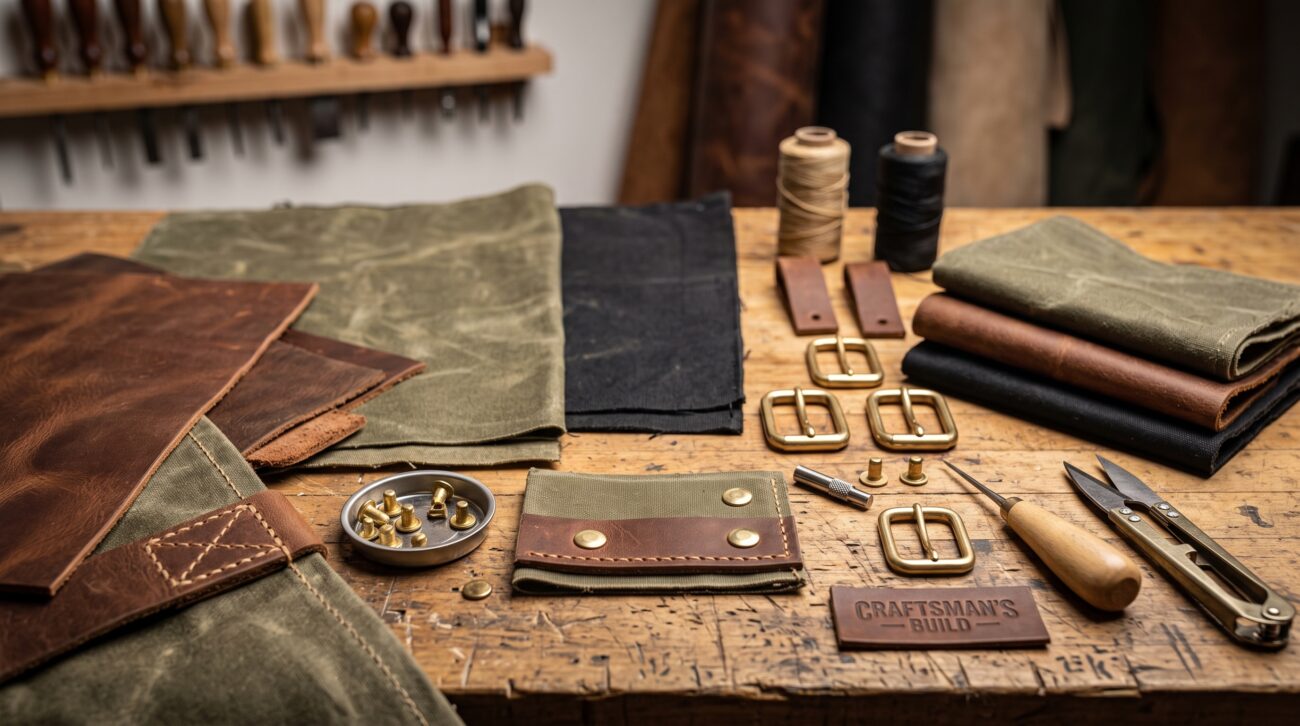
Material matters, but it should not be the only factor when choosing a carrier.
Look for features such as:
- Reinforced handles
- Strong stitching
- Balanced weight distribution
- Comfortable grip
- Open design for different log sizes
- Easy storage when not in use
A well-designed carrier made from quality materials will usually perform better than a poorly constructed carrier made from premium materials.
Pro Tip: Focus on build quality as much as material. Reinforced stitching and well-attached handles often have a greater impact on long-term reliability than appearance alone.
Conclusion
Leather, canvas, and fabric firewood carriers each have their strengths. Leather offers exceptional durability and develops character over the years of use. Canvas provides a practical combination of strength, lighter weight, and affordability. Fabric serves well for lighter, occasional tasks where convenience matters most.
The right choice depends on how frequently you carry firewood, the weight of your typical load, and the level of maintenance you are comfortable with. If you are comparing options before making a purchase, browsing different styles of leather fire log carrier can also help you understand how design and construction influence everyday performance.
Frequently Asked Questions
1. Is leather better than canvas for carrying firewood?
Leather generally supports heavier loads and lasts longer with proper care, while canvas offers a lighter and more affordable alternative for regular household use.
2. Does a leather firewood carrier require a lot of maintenance?
No. Occasional cleaning and conditioning a few times each year is usually enough to keep it in good condition.
3. Are canvas firewood carriers waterproof?
Most standard canvas carriers are not completely waterproof. Waxed canvas provides better resistance to moisture but should still be dried after heavy exposure to rain.
4. How long does a leather firewood carrier last?
A well-made leather carrier can last for many years when used properly and maintained regularly.
5. Is a fabric firewood carrier strong enough for large logs?
Fabric carriers are generally better suited for lighter or moderate loads. Repeated heavy use may shorten their lifespan.
6. Which material is easiest to clean?
Fabric and canvas usually require only basic spot cleaning. Leather needs occasional conditioning in addition to routine cleaning.
7. Which material offers the best value?
For frequent firewood use, leather often provides the best long-term value. For occasional use, canvas offers an excellent balance of performance and cost.
8. What should I look for besides the material?
Pay attention to handle construction, reinforced stitching, weight capacity, and overall craftsmanship, as these features directly affect durability and comfort.