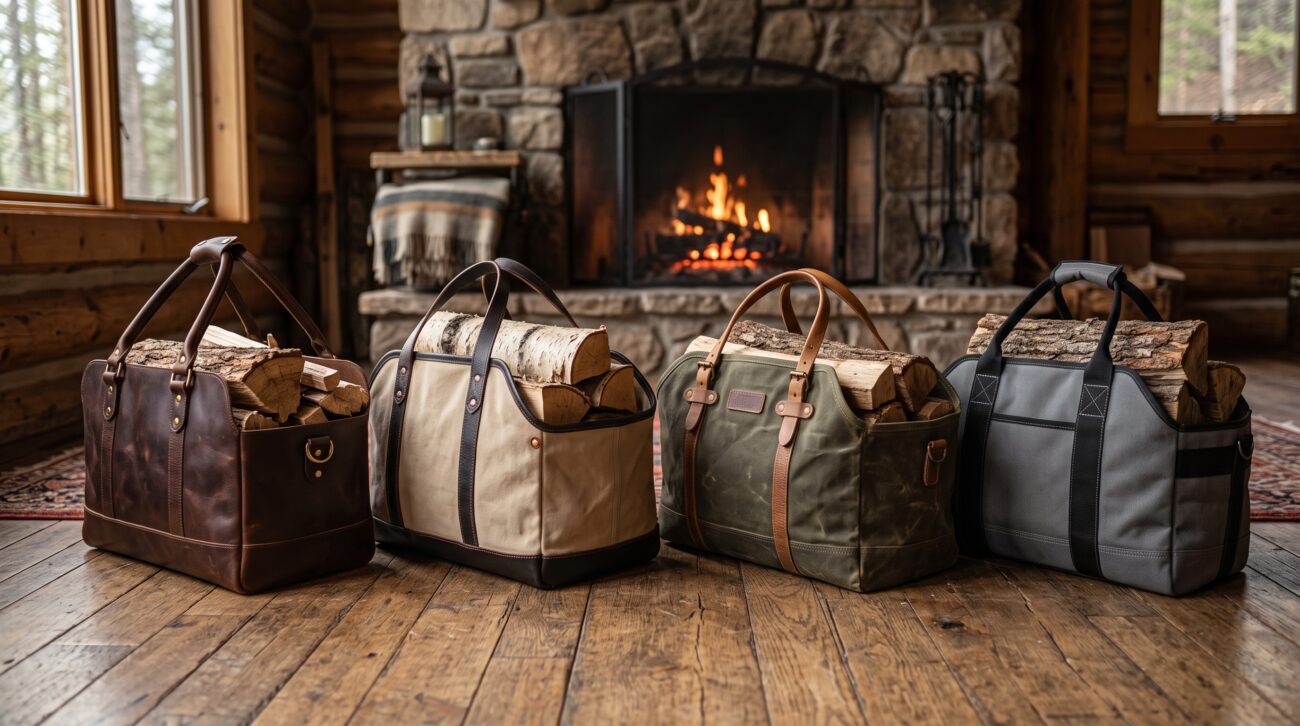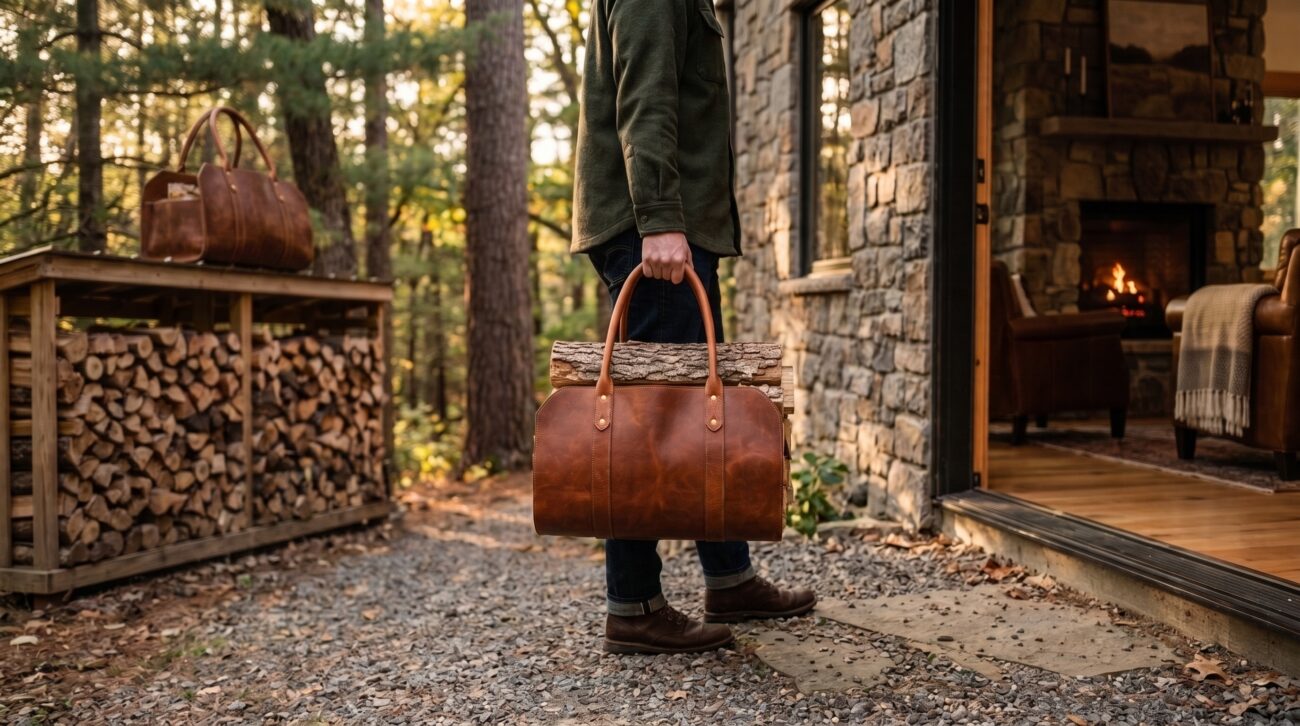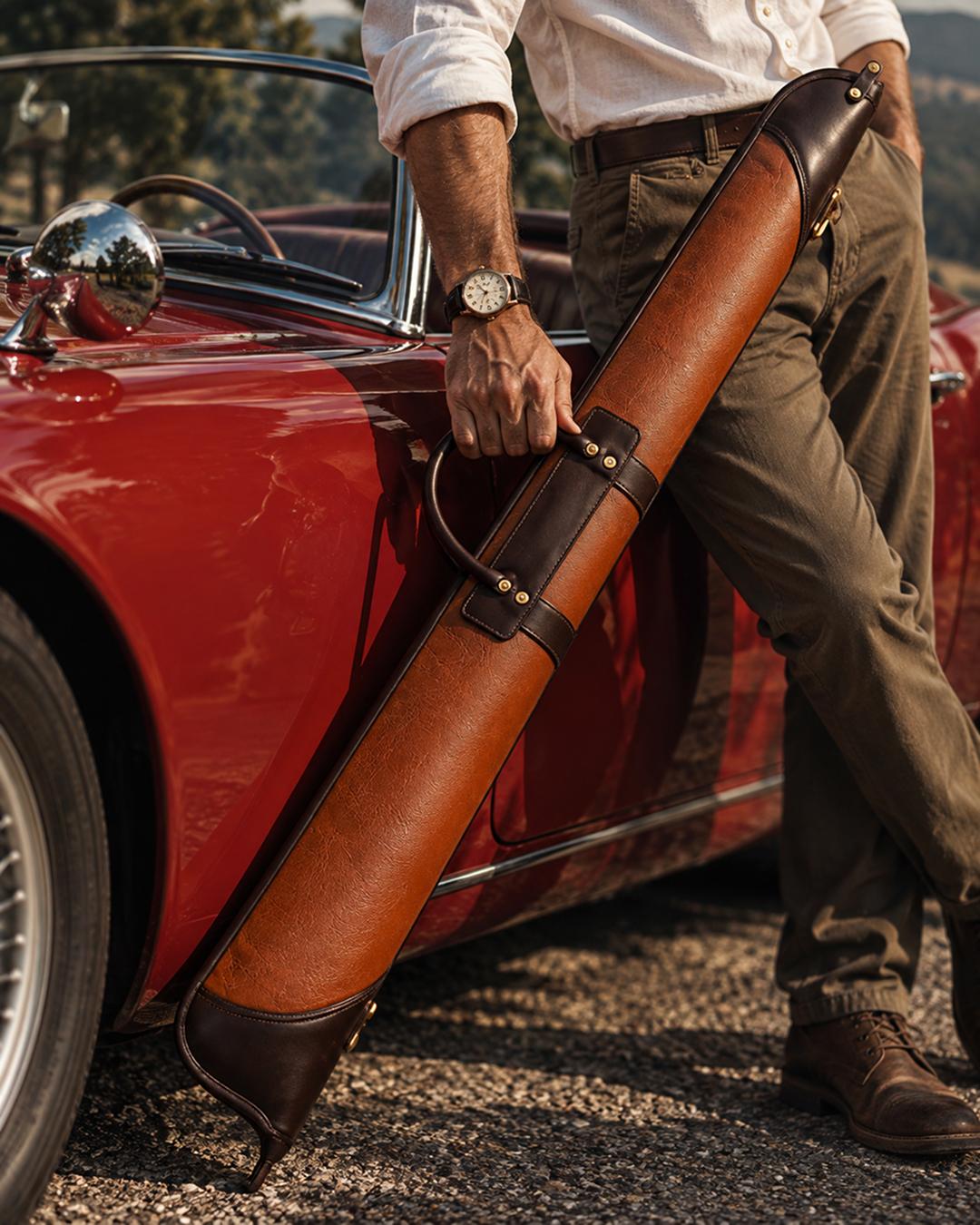



Is Paying More Always Worth It?
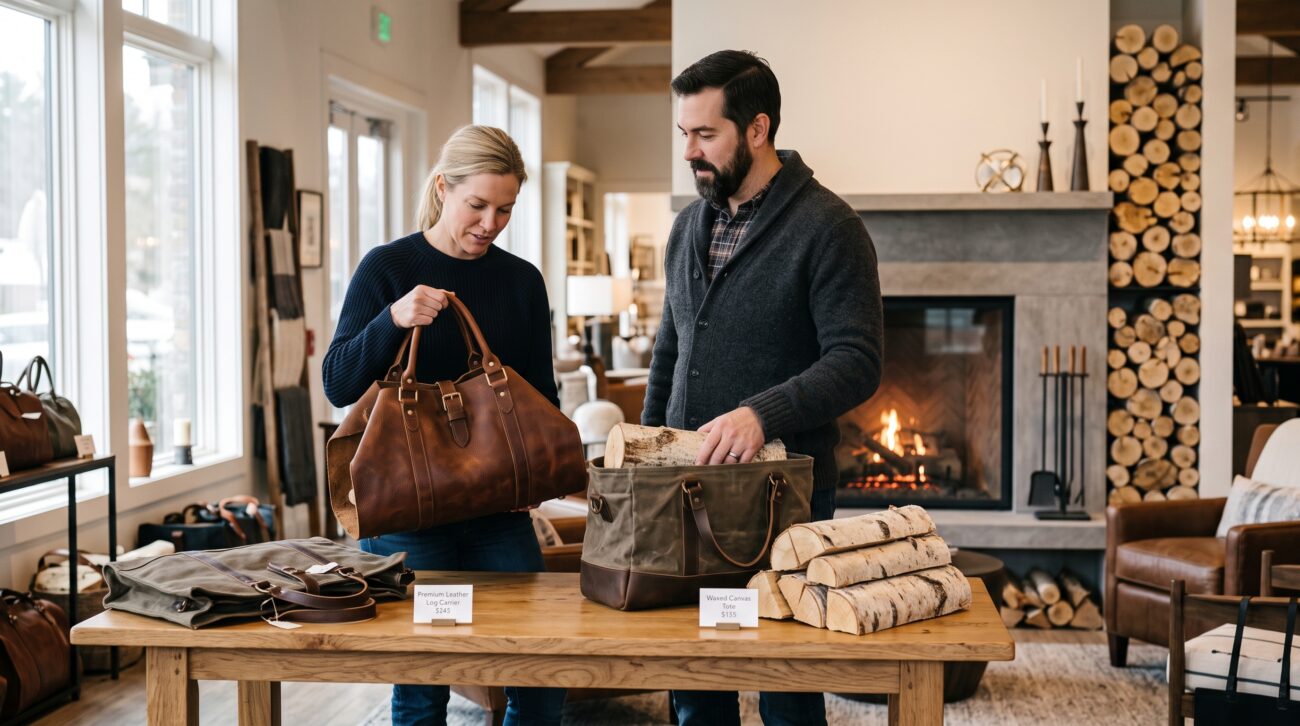
When shopping for a firewood carrier, one of the first things you’ll notice is the price difference. Leather models often cost considerably more than fabric or canvas alternatives, which naturally leads to the question: Is the extra investment justified?
The answer depends less on the purchase price and more on how often you carry firewood, the weight of your typical loads, and how long you expect the carrier to last. If you’ve ever wondered why carrying logs by hand isn’t always practical, you already know that a well-designed carrier isn’t simply a convenience. It can make moving wood cleaner, easier, and more comfortable over time.
For someone who uses a fireplace every winter or regularly moves wood to an outdoor fire pit, a carrier isn’t a seasonal accessory. It’s a piece of equipment that sees repeated use. In that situation, looking only at the price tag can overlook the bigger picture.
Rather than asking, “Which carrier costs less today?” a better question is:
Which carrier will provide the best value over the next five or ten years?
That’s exactly what we’ll examine.
Why Leather Firewood Carriers Cost More
Not all firewood carriers are built the same. The higher price of leather usually reflects differences in material quality, construction, and expected lifespan rather than appearance alone.
Premium Materials That Last Longer
One of the biggest reasons leather carriers cost more is the quality of the material itself.
Premium full-grain leather retains the strongest part of the hide, making it naturally resistant to stretching, tearing, and heavy use. Unlike lower-grade leather or synthetic fabrics, it develops character over time instead of simply wearing out.
If you’re unfamiliar with leather grades, understanding the difference between full-grain and top grain leather makes it much easier to see why premium leather products command a higher price.
A quality leather carrier isn’t intended to last for one or two seasons. With proper care, it can remain reliable for many years of regular use.
Stronger Construction
Material is only part of the equation.
A well-built carrier also requires reinforced stitching, durable handles, quality hardware, and balanced construction that distributes weight evenly.
These details often determine whether a carrier continues performing after hundreds of trips or begins showing signs of failure after only a few months.
Good craftsmanship doesn’t always stand out at first glance, but it becomes obvious after repeated heavy use. The same principles that make full-grain leather worth the investment also apply when choosing equipment designed for long-term durability.
Built for Everyday Use
A carrier that’s used once or twice each month faces very different demands than one used every few days throughout winter.
Frequent lifting places constant stress on the handles, seams, and body of the carrier. Leather responds well to this type of repeated use because it maintains its structure instead of becoming increasingly soft and unstable.
While every material has strengths, longevity is one area where premium leather consistently performs well over the long term.
What Do You Actually Get for the Extra Money?
The real value of leather isn’t measured by appearance alone. It’s measured by how well the carrier performs after years of carrying split hardwood, moving logs across uneven ground, and being stored between seasons.
Here are the benefits many long-term owners appreciate most.
Better Support for Heavy Loads
Moving dense hardwood places significant pressure on every part of a carrier.
Leather naturally resists stretching, helping the load stay balanced while reducing unnecessary movement during transport. That stability becomes especially noticeable when carrying larger bundles across a yard or from a woodshed to the house.
If you regularly transport substantial amounts of firewood, you’ll likely notice many of the same features highlighted when comparing heavy-duty carriers designed for larger loads.
More Comfortable Carrying
Comfort isn’t only about padded handles.
A well-designed leather carrier distributes weight evenly, making each trip feel more controlled. Balanced handles, reinforced attachment points, and a structured body all contribute to easier carrying.
Choosing the right dimensions also matters. Selecting a carrier that matches the amount of wood you normally move can make a noticeable difference in everyday use.
Longer Service Life
One advantage that often offsets the higher purchase price is lifespan.
Instead of replacing a worn carrier every few years, many leather owners continue using the same carrier season after season with only occasional maintenance.
This long-term durability becomes even clearer when comparing how different materials age after years of regular use, particularly under heavier workloads.
It Ages Better Instead of Wearing Out
Many materials simply look older as they wear.
Leather behaves differently.
With regular use, quality leather develops a richer appearance known as patina. Small marks, color variation, and softened texture often enhance its character without affecting performance.
Rather than appearing worn, a well-maintained leather carrier often looks more distinctive after years of use.
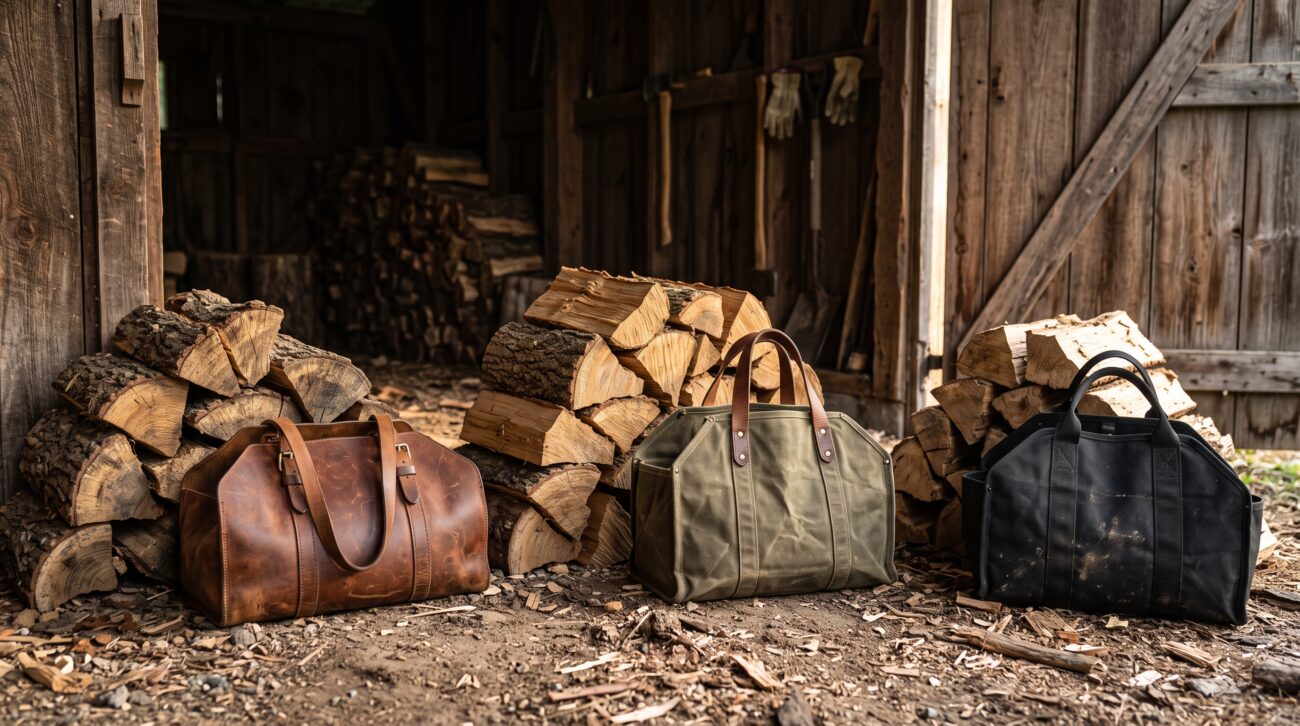
Leather vs. Canvas vs. Fabric: Which Offers Better Long-Term Value?
The lowest purchase price doesn’t always translate into the lowest cost of ownership.
Someone who replaces an inexpensive carrier every few seasons may ultimately spend more than someone who invests once in a durable product.
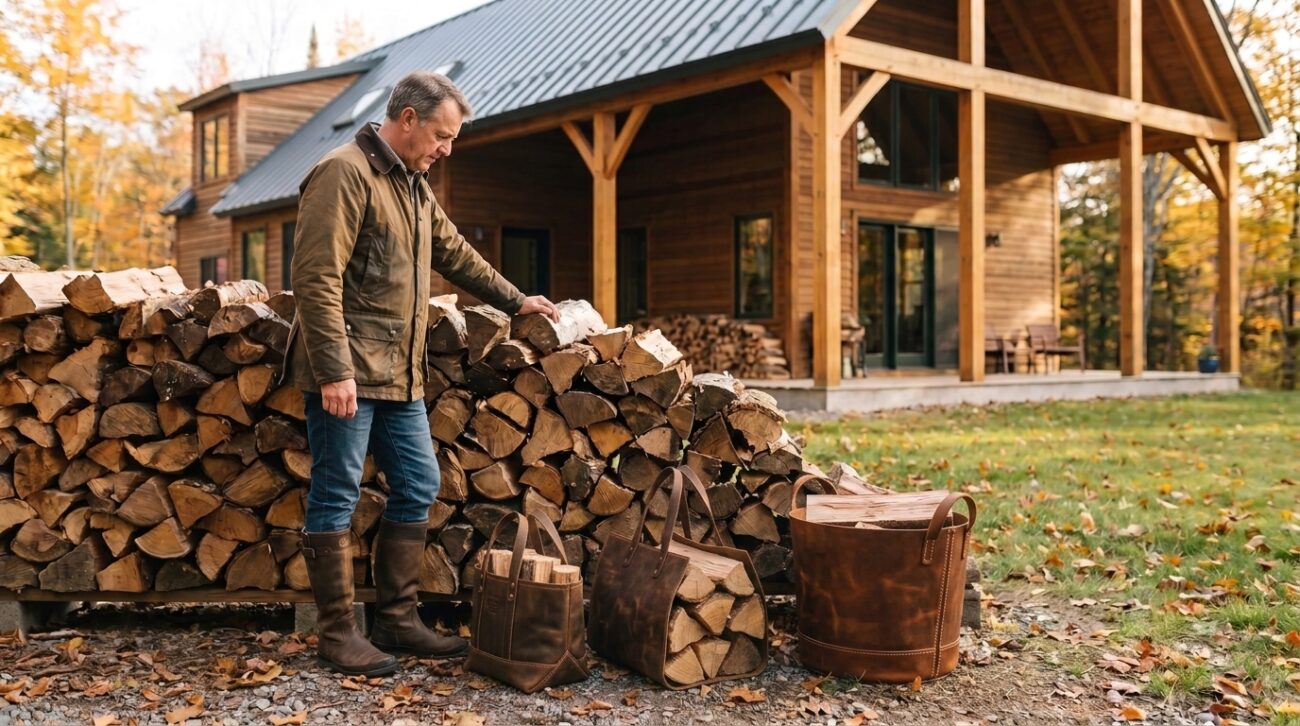
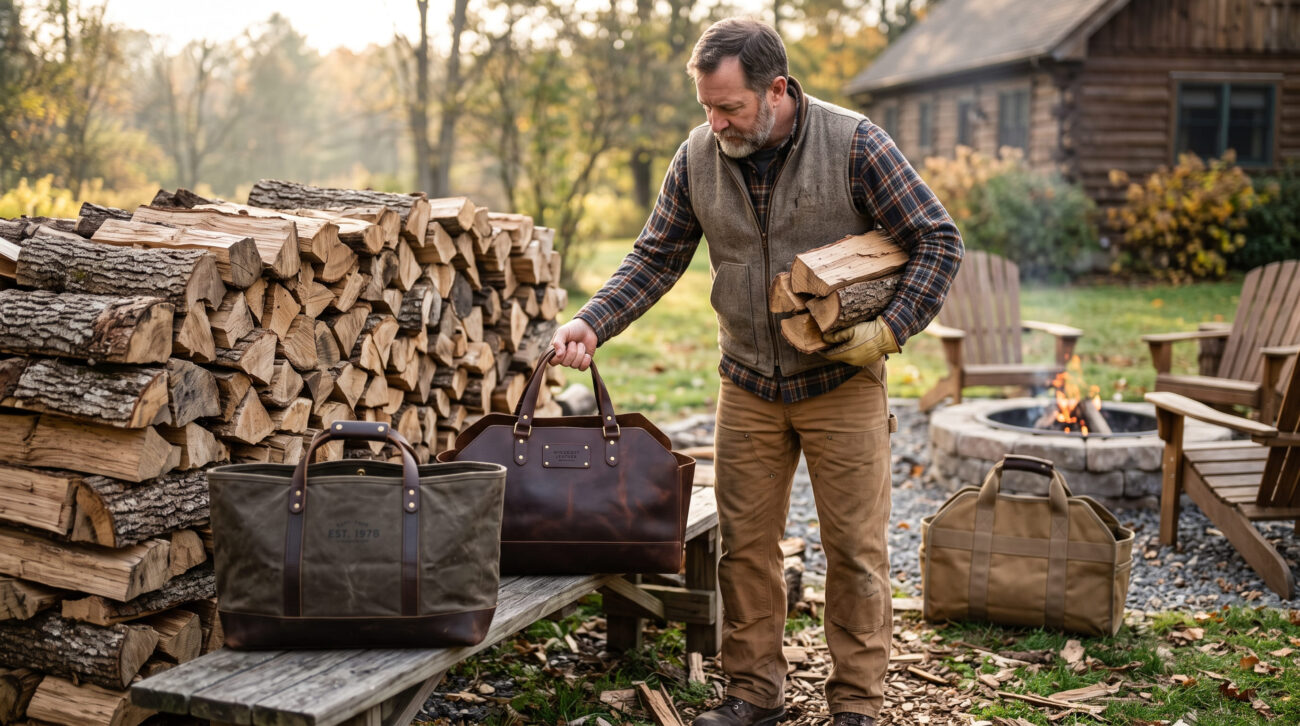
| Feature | Leather | Waxed Canvas | Fabric |
| Upfront Cost | High | Moderate | Low |
| Expected Lifespan | Excellent | Good | Fair |
| Heavy Load Support | Excellent | Good | Fair |
| Appearance Over Time | Develops Patina | Shows Honest Wear | Often Looks Worn |
| Maintenance | Occasional Conditioning | Minimal | Minimal |
| Long-Term Value | Excellent | Good | Fair |
If you’re still deciding between materials, comparing the different types of firewood carriers alongside a closer look at how leather, canvas, and fabric perform over time provides additional context before making a decision.
Pro Tip: Think about cost per year rather than purchase price. A premium carrier that lasts ten years often provides better value than replacing a cheaper one every few seasons.
When Is a Leather Firewood Carrier Worth the Investment?
Leather isn’t automatically the right choice for every buyer.
However, it often makes excellent sense if you:
- Use a fireplace throughout the winter.
- Carry large loads several times each week.
- Move firewood over longer distances.
- Want equipment that improves with age instead of wearing out.
- Prefer buying once rather than replacing gear regularly.
- Value craftsmanship alongside everyday performance.
Whether you’re stocking an indoor fireplace during colder months or making regular trips to an outdoor fire pit, investing in durability can reduce both effort and replacement costs over time.
Ready to Buy Once Instead of Replacing Often?
If you’ve decided that a premium leather carrier fits the way you use firewood, comparing well-built designs is the next step. A quality carrier should feel comfortable under load, hold its shape through years of use, and continue performing season after season.
Browse our handcrafted firewood carriers to compare designs built for everyday use, larger loads, and long-term durability.
For buyers who prefer premium leather, the CabinCraft Firewood Horse Leather Log Carrier is a strong example of a carrier designed for years of dependable service rather than short-term convenience.
When Canvas or Fabric May Be the Better Choice
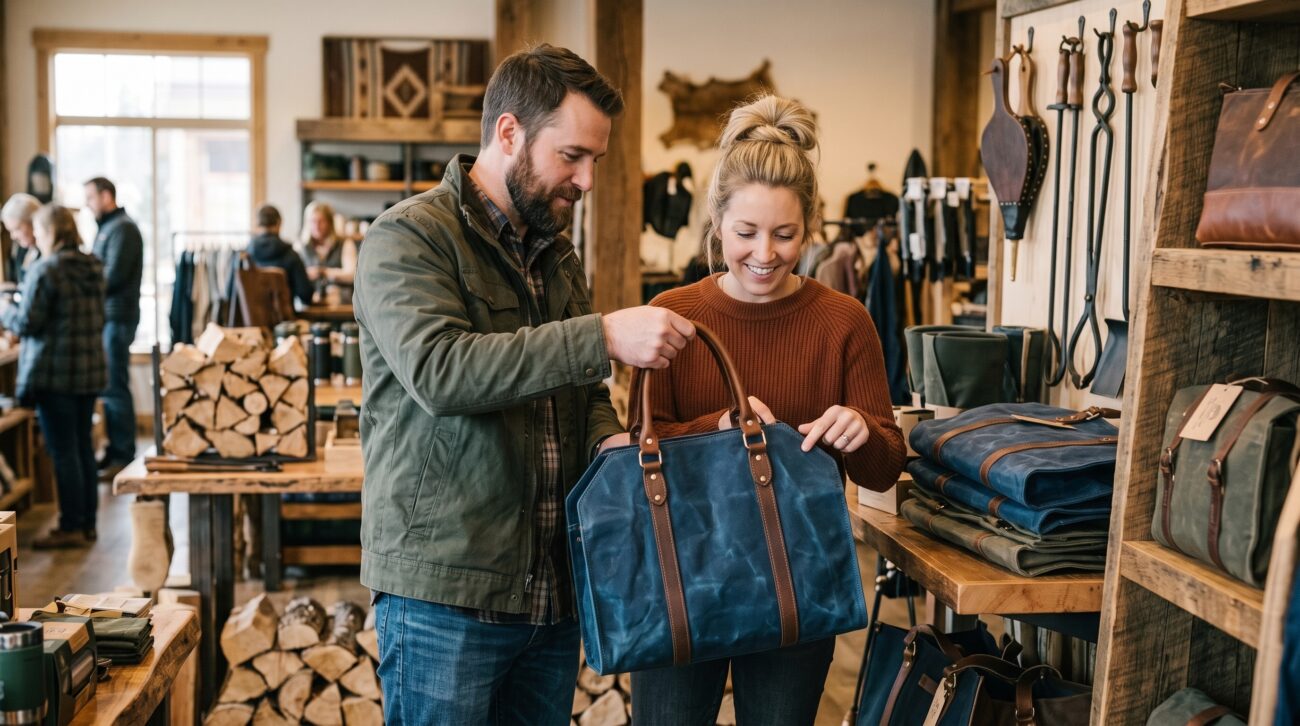
Leather isn’t the right solution for everyone, and that’s perfectly fine.
Your ideal carrier depends on how often you move firewood, the size of your typical loads, and how long you expect it to last. For occasional use, spending more on premium leather may not provide the same return on investment.
Waxed Canvas
Waxed canvas sits comfortably between leather and standard fabric in both price and performance.
It’s lighter to carry, folds easily for storage, and offers good resistance to dirt and light moisture. If you only transport firewood on weekends, during camping trips, or a few times each winter, waxed canvas can provide plenty of durability without the higher upfront cost.
A good example is the FieldBlue Waxed Canvas Wood Carrier, which combines reinforced canvas with comfortable handles for homeowners looking for dependable everyday performance without investing in premium leather.
Fabric

Basic fabric carriers are usually the most affordable option.
They’re suitable for small loads and occasional fireplace use, but repeated heavy lifting often causes stretching, worn handles, or weakened seams over time.
If your firewood routine becomes more frequent, replacing an entry-level carrier every few seasons can eventually cost more than purchasing a better-built option from the start.
Questions to Ask Before Spending More
Before deciding whether leather is worth the investment, ask yourself a few practical questions.
- How many times do you carry firewood each week?
- Do you normally move small bundles or larger loads?
- How far do you carry wood from storage to the fireplace or fire pit?
- Would you rather replace equipment every few years or buy something built to last?
- Does long-term durability matter more than the initial purchase price?
Answering these questions honestly often makes the decision much easier.
Someone who burns firewood every day will likely have different priorities than someone who lights a fire only a handful of times each winter.
Common Buying Mistakes
Many buyers focus almost entirely on price, only to realize later that construction quality matters much more.
Here are some mistakes worth avoiding.
Assuming All Leather Is the Same
Leather quality varies significantly.
Understanding the difference between full-grain and top grain leather helps explain why some carriers last decades while others begin showing wear much sooner.
Buying More Capacity Than You Need
A larger carrier isn’t automatically better.
If it’s consistently overloaded, every trip becomes heavier and less comfortable. Selecting the right dimensions for your typical firewood routine usually leads to a better experience than simply buying the biggest model available.
Ignoring Construction Quality
Strong handles, reinforced stitching, quality rivets, and balanced weight distribution all contribute to long-term reliability.
These details are often what separate premium carriers from products that wear out after repeated heavy use.
Forgetting About Maintenance
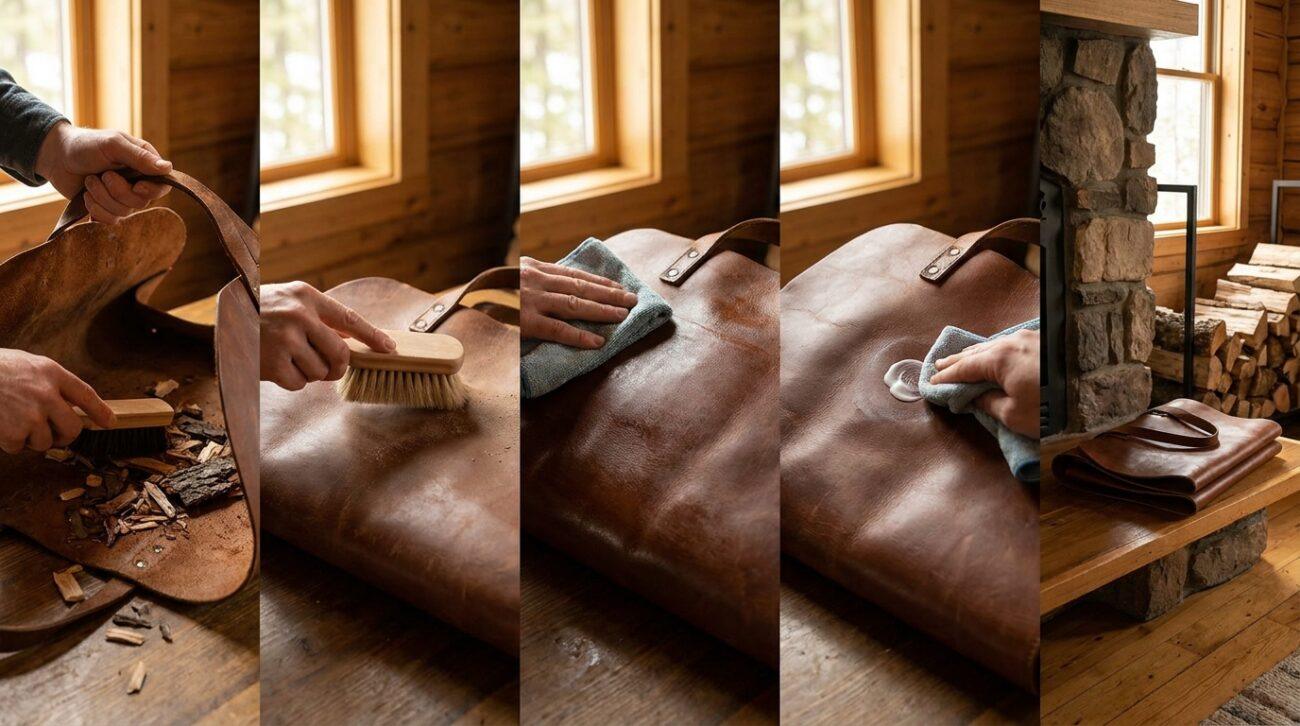
Leather requires occasional care, but it’s far less demanding than many people assume.
Cleaning away dirt and conditioning the leather periodically helps preserve flexibility and appearance for years.
Simple maintenance habits often make the biggest difference in extending the life of any leather product.
Is It Worth the Investment?
The answer depends on how you use it.
If you regularly burn firewood throughout winter, own a wood stove, or frequently move logs around your property, investing in leather often provides better long-term value than repeatedly replacing lower-cost alternatives.
On the other hand, occasional users may find that waxed canvas offers the balance they’re looking for.
| Buyer | Recommendation |
| Daily fireplace use | ★★★★★ Excellent investment |
| Wood stove owners | ★★★★★ Excellent investment |
| Backyard fire pit users | ★★★★☆ Worth considering |
| Cabin owners | ★★★★★ Excellent investment |
| Weekend campers | ★★★☆☆ Waxed canvas may be sufficient |
| Occasional fireplace users | ★★★☆☆ Depends on usage frequency |
Rather than asking which material is “best,” think about which one best matches your routine.
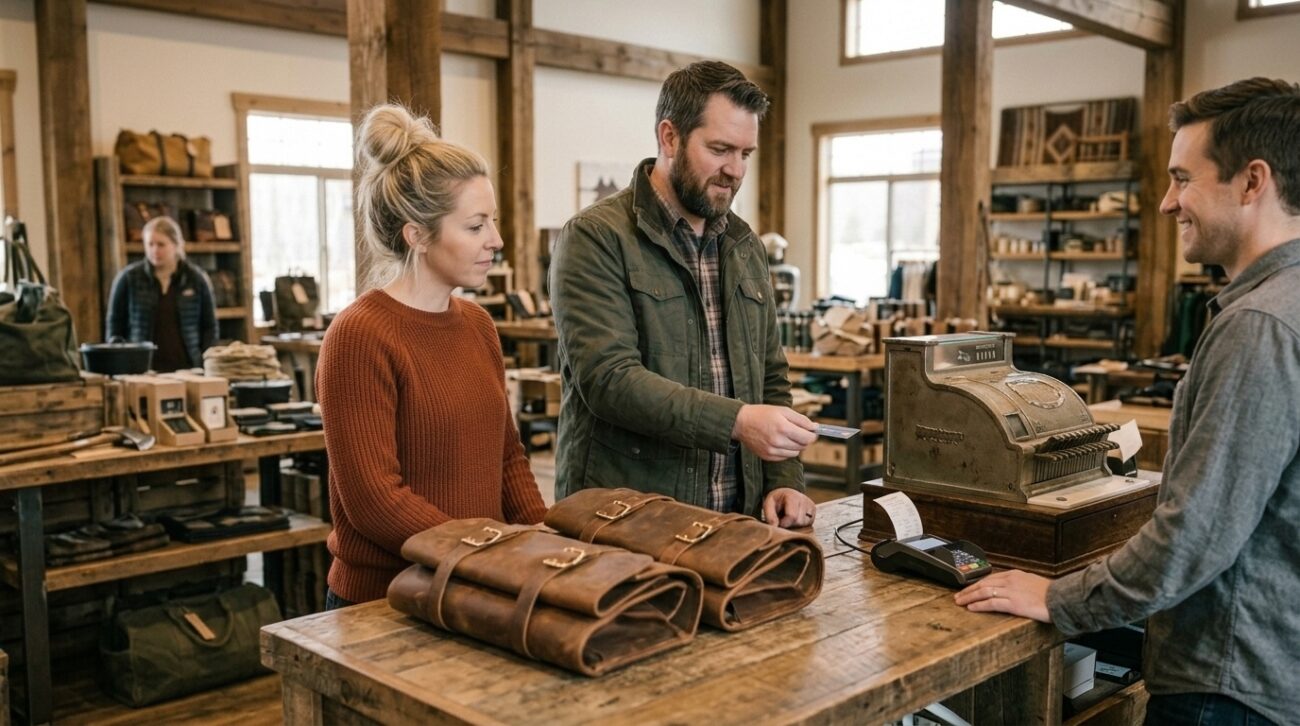
Choosing based on how often you actually carry firewood almost always leads to greater satisfaction than choosing based on price alone.
Pro Tip: A quality leather carrier becomes more economical the longer you own it. If you’re replacing a lower-priced carrier every few years, investing once in premium construction may reduce your overall cost over time.
Conclusion
A leather firewood carrier isn’t the least expensive option, but it can be one of the best long-term investments for people who rely on firewood regularly.
Its value comes from dependable construction, excellent load support, lasting durability, and the ability to age gracefully instead of simply wearing out. For homeowners who carry wood several times each week, those advantages often outweigh the higher upfront cost.
That doesn’t mean leather is the right choice for everyone. Waxed canvas remains an excellent option for lighter, less frequent use, while fabric carriers still have a place for occasional tasks and tighter budgets.
The best investment isn’t necessarily the most expensive one. It’s the carrier that matches how you use firewood today and continues serving you reliably for years to come.
FAQs
Is a leather firewood carrier worth the extra cost?
For people who move firewood regularly, yes. Leather typically lasts much longer than lower-cost alternatives and provides better support for heavier loads.
How long does a leather firewood carrier last?
A well-made full-grain leather carrier can last for many years with occasional cleaning and conditioning.
Does leather require a lot of maintenance?
No. Wiping away dirt, allowing it to dry naturally, and applying leather conditioner from time to time is usually enough to keep it in good condition.
Is leather better than waxed canvas?
Leather generally offers greater durability and load support, while waxed canvas is lighter and better suited to occasional use.
Can a leather carrier be used outdoors?
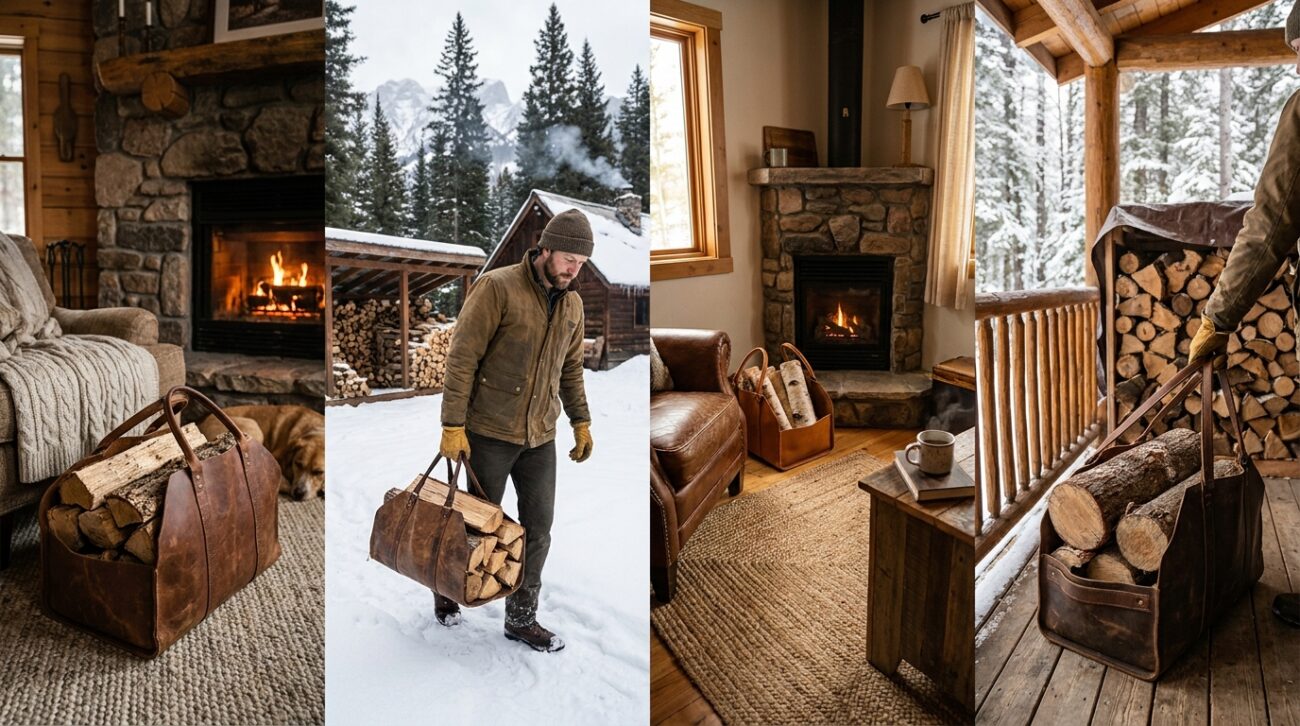
Yes. Leather performs well for transporting firewood between woodsheds, cabins, outdoor fire pits, and indoor fireplaces. Avoid leaving it exposed to heavy rain or prolonged moisture.
Does leather stretch when carrying heavy logs?
High-quality full-grain leather maintains its structure well under normal use. Minor flexibility develops over time, but it shouldn’t lose its shape when properly constructed.
Should I buy leather if I only use my fireplace occasionally?
Not necessarily. If you only move firewood a few times each season, a quality waxed canvas carrier may provide better overall value.
What should I look for before buying a leather firewood carrier?
Focus on leather quality, reinforced stitching, comfortable handles, balanced construction, and a size that matches the amount of firewood you normally carry.