
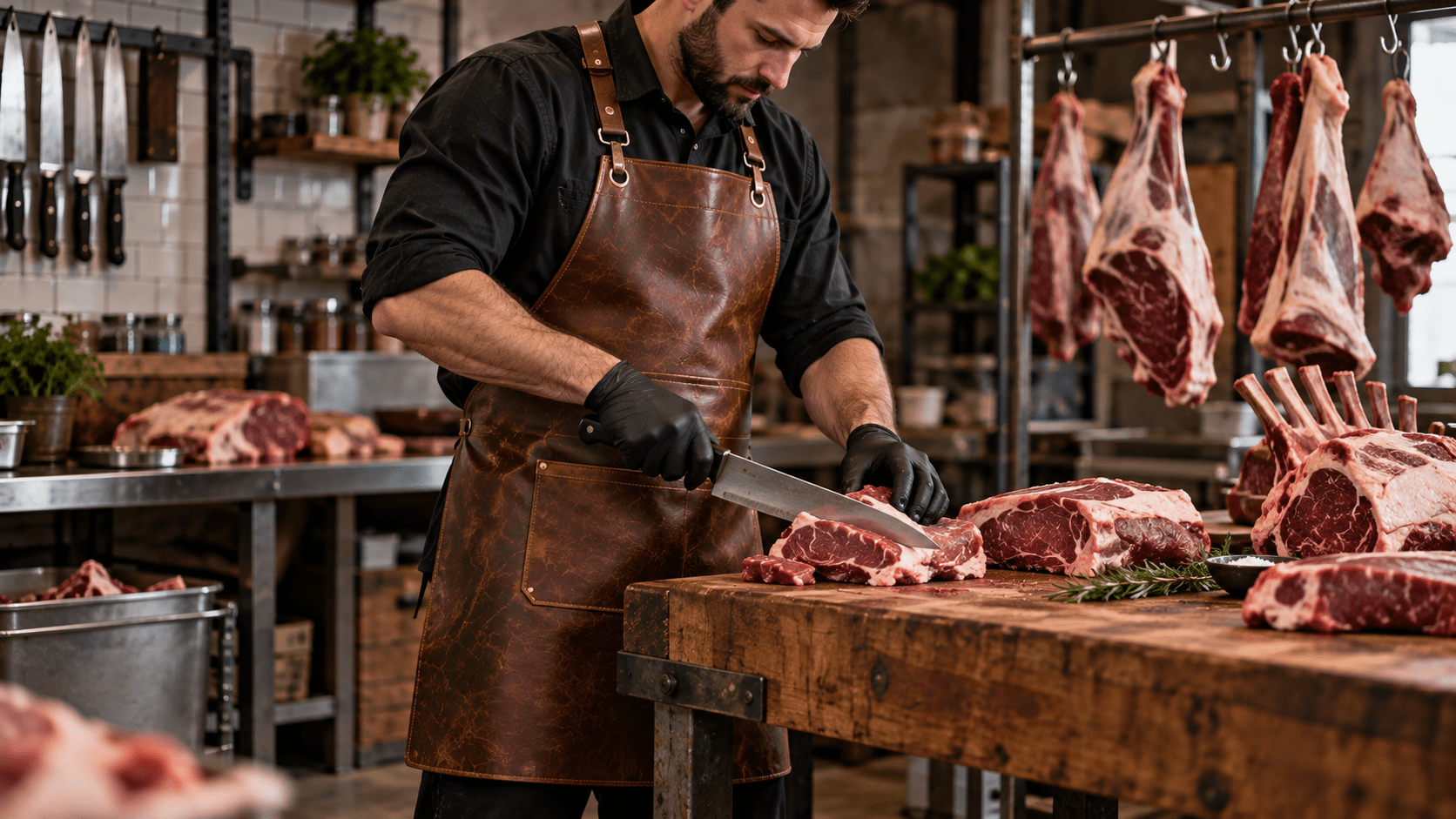

Butchers and meat-processing professionals work with sharp tools, moisture, meat residue, and repetitive tasks that can quickly wear through ordinary workwear. A durable apron helps create an additional layer between the worker, the work surface, and everyday clothing.
Leather Aprons for Butchers are valued for their durability, coverage, and resistance to general workplace wear. When choosing one, buyers should consider the leather type, construction, coverage, fit, straps, and ease of maintenance.
What Makes a Good Leather Apron for Butchers?
A good butcher’s apron should combine protection with comfortable movement. Key features include:
- Durable leather construction
- Adequate front and lower-body coverage
- Strong stitching and reinforced stress points
- Adjustable neck and waist straps
- Comfortable fit for extended work
- Practical pockets when genuinely needed
The apron should be substantial enough for demanding work without becoming unnecessarily heavy or restrictive.
Why Do Butchers Wear Leather Aprons?
Leather aprons can help protect clothing from general workplace wear, splashes, moisture, and meat residue. They also provide a durable outer layer that can withstand repeated contact with work surfaces and tools.
Compared with lightweight fabric aprons, leather generally offers greater durability and abrasion resistance, making it suitable for demanding work environments. However, an apron should not be considered a substitute for proper cut-resistant clothing or other required personal protective equipment.
Best Leather Butcher Aprons from Frontier Leather Co.
Grill Gladiator Butchery Apron — $179.00
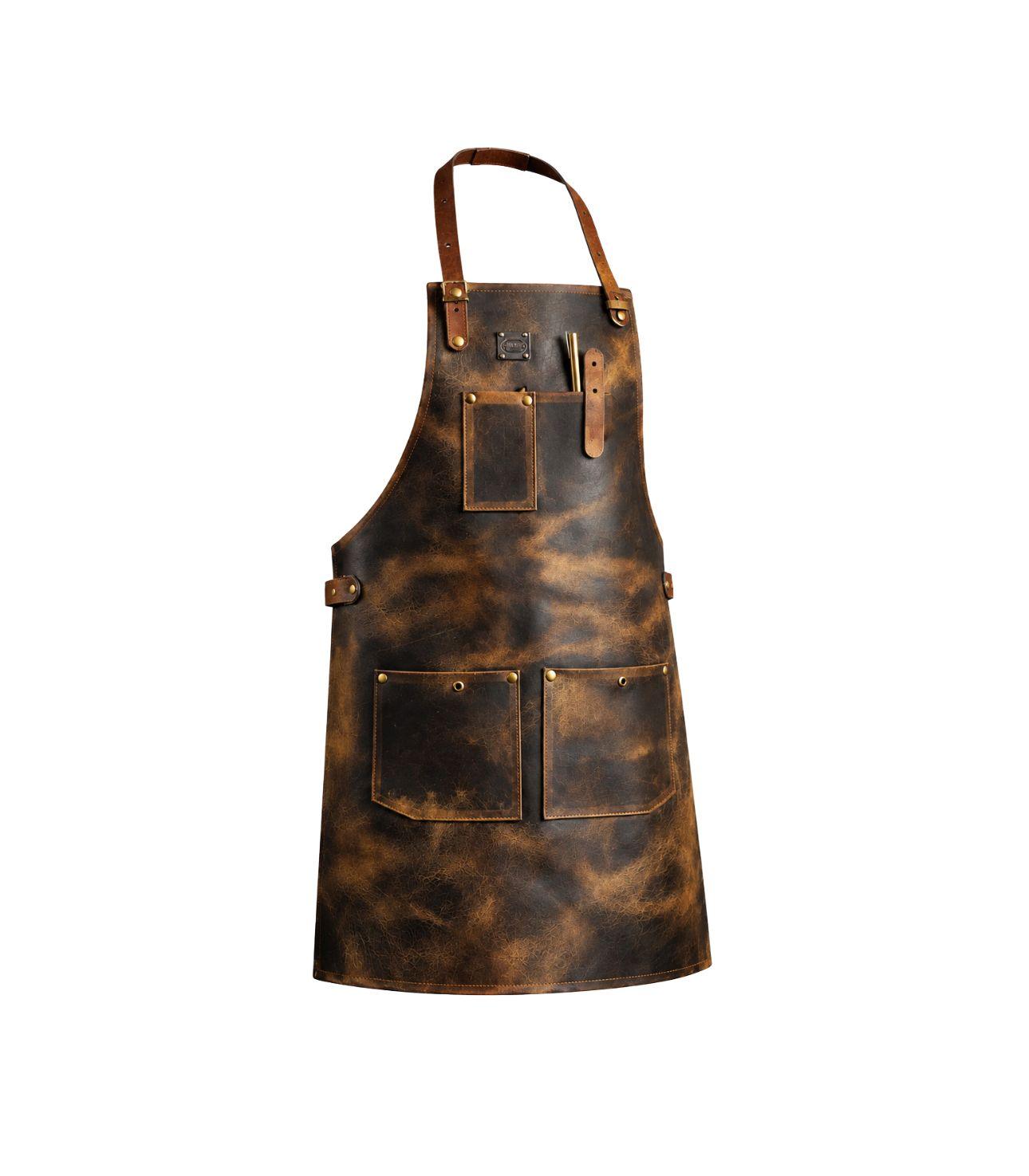
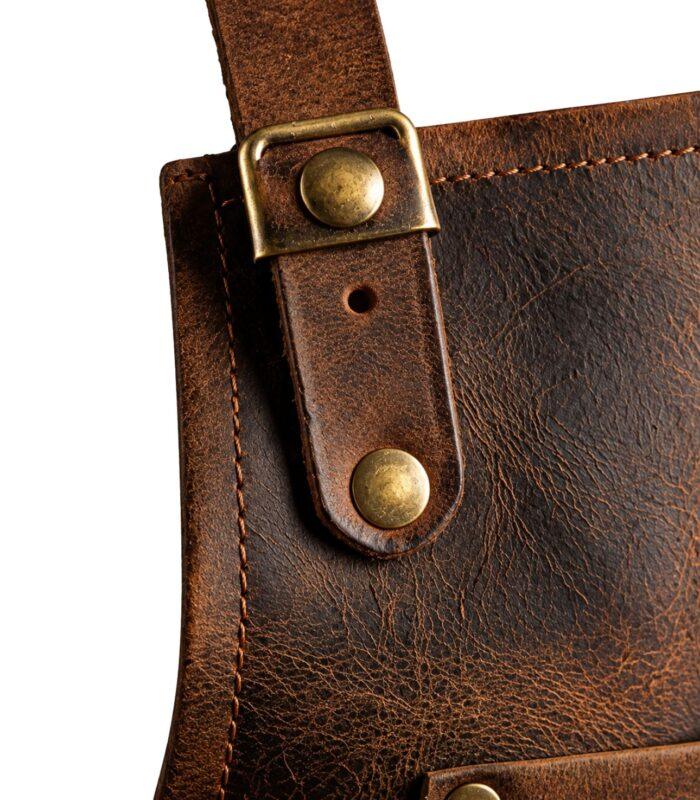
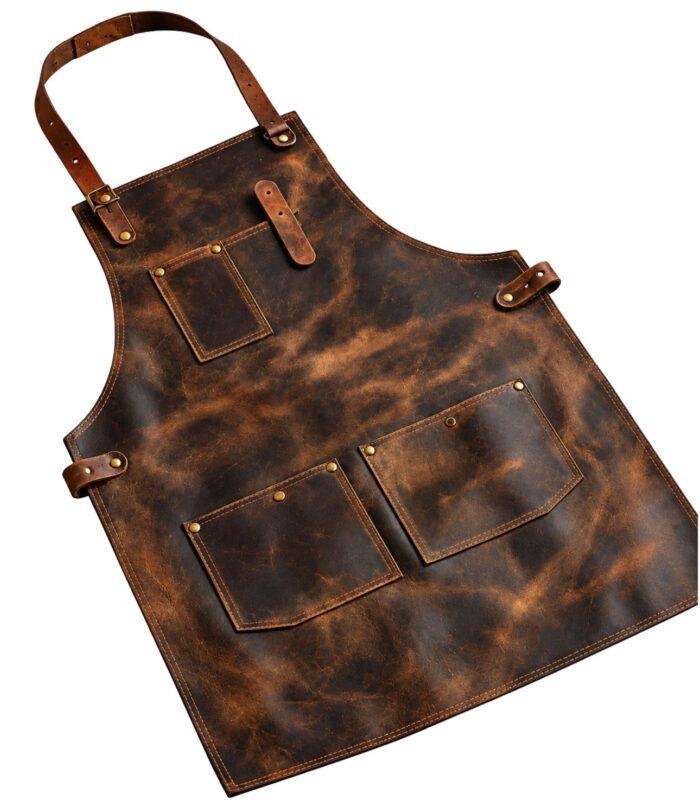
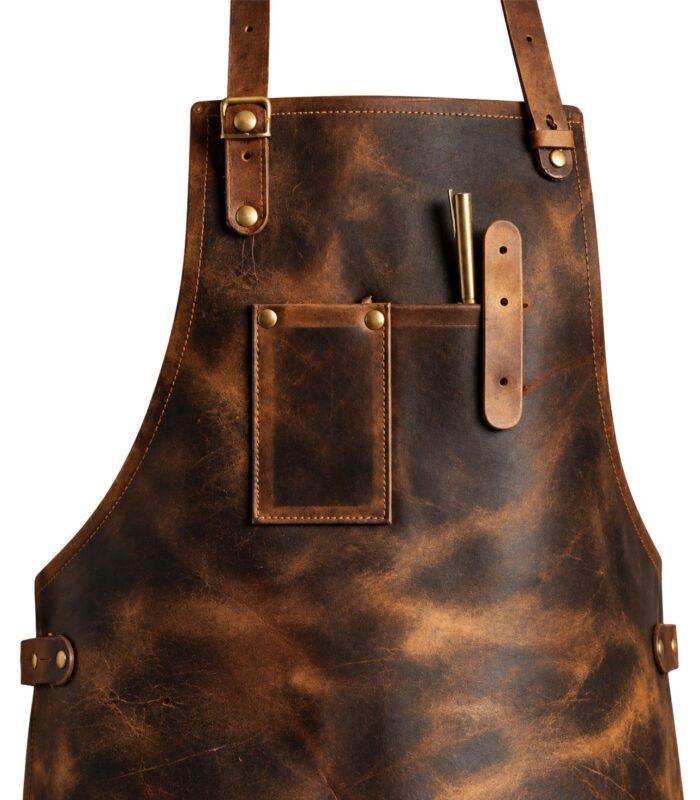
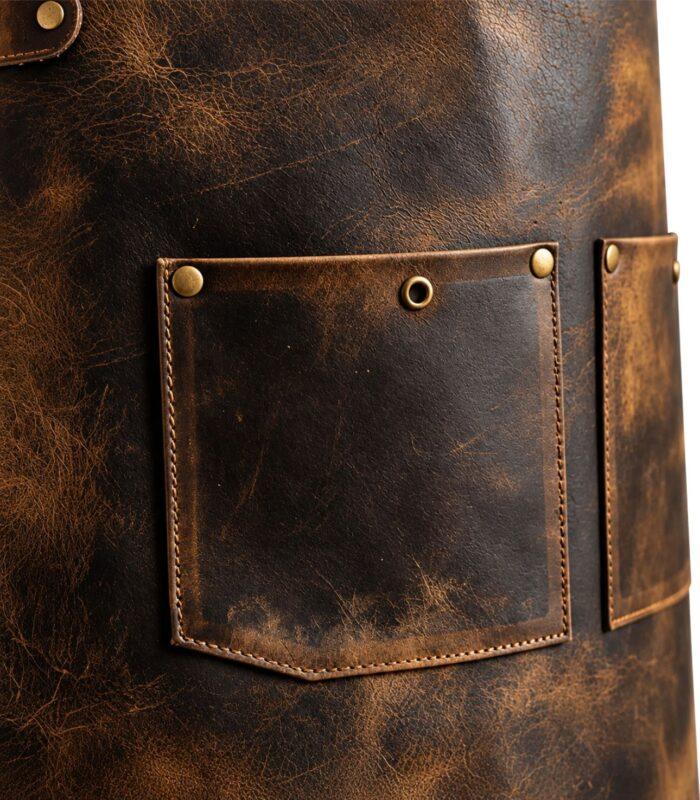
Built for demanding butchery work, the Grill Gladiator Butchery Apron offers durable leather coverage with a practical design made for everyday meat preparation and heavy-duty kitchen tasks.
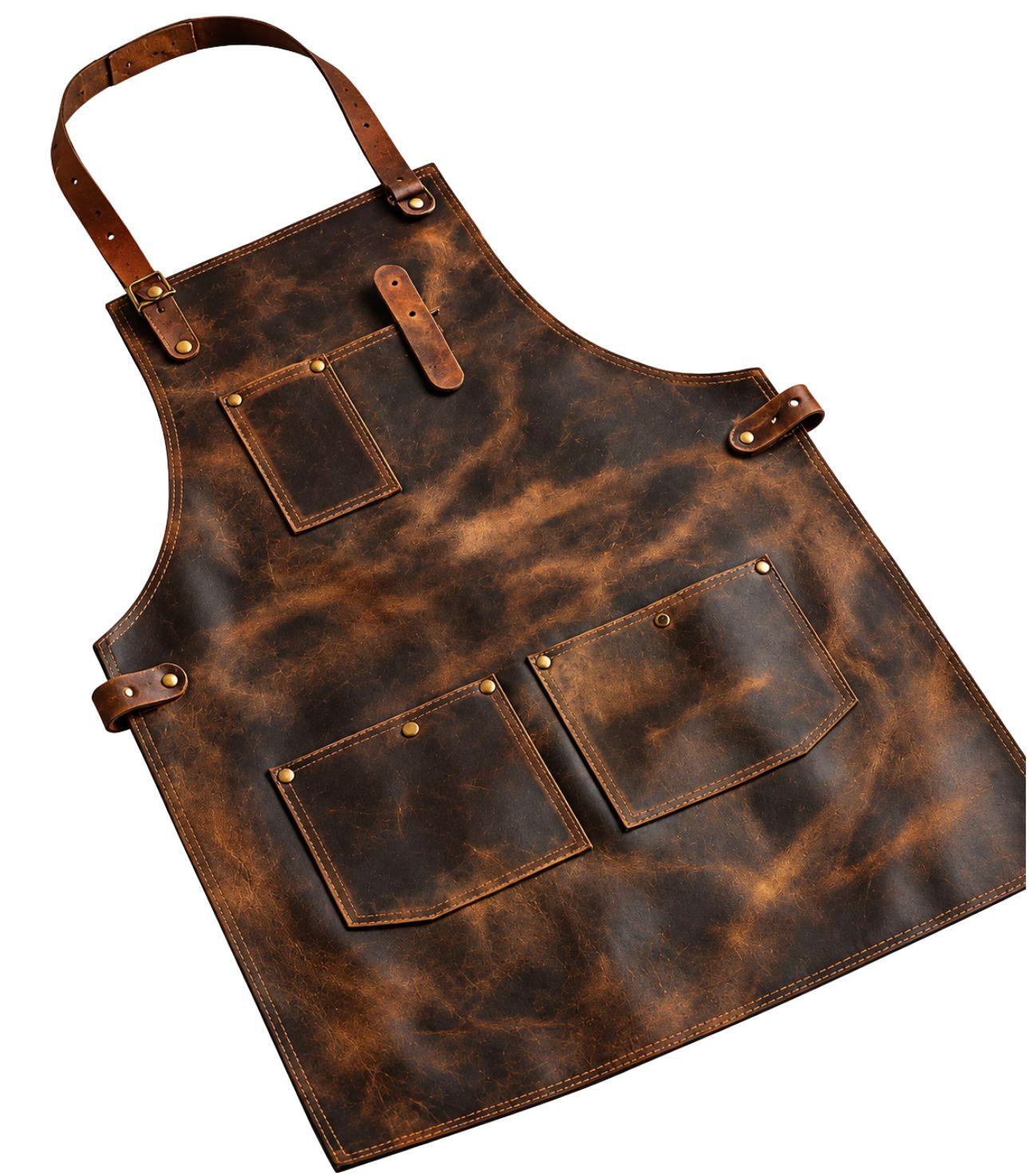
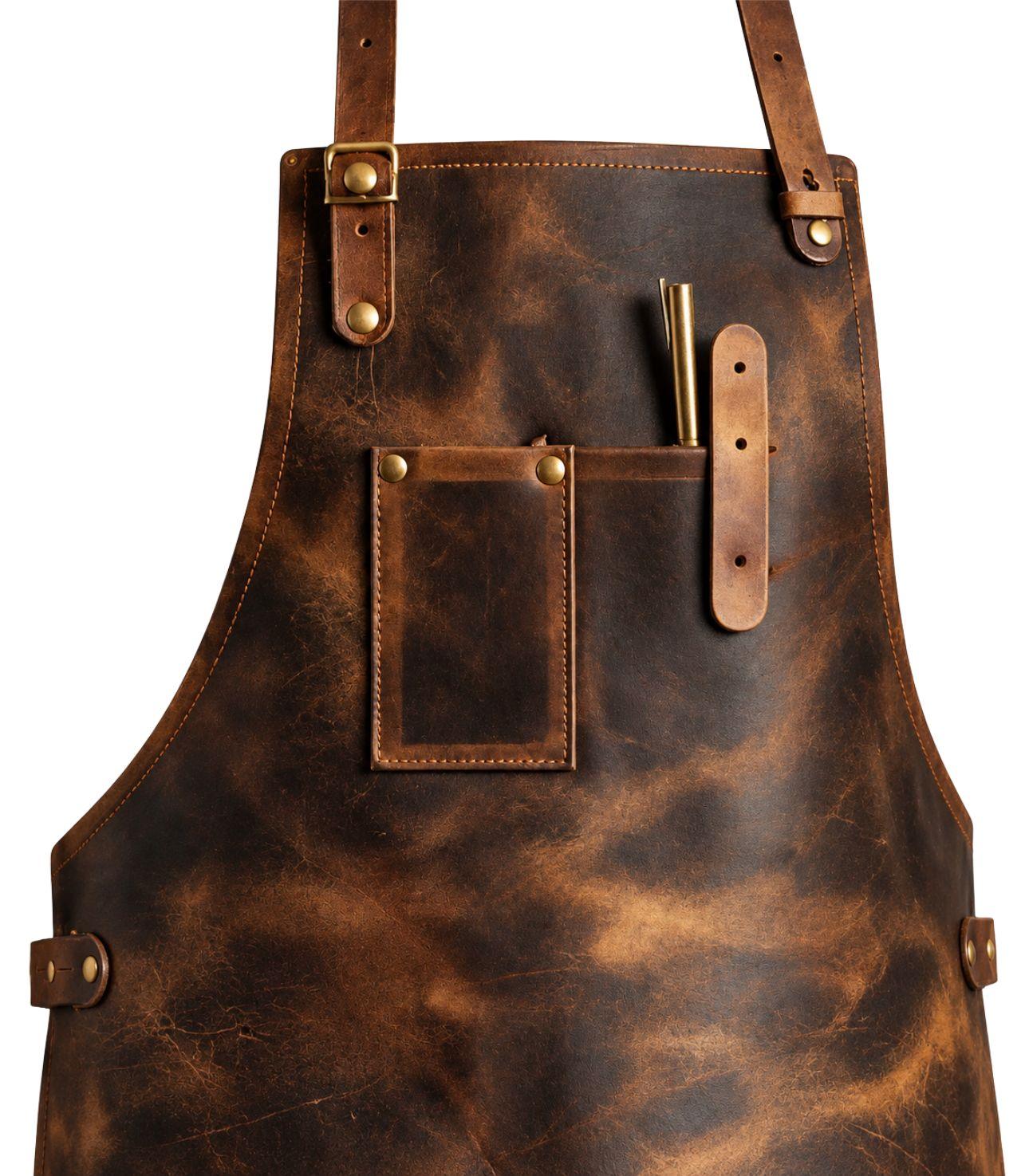
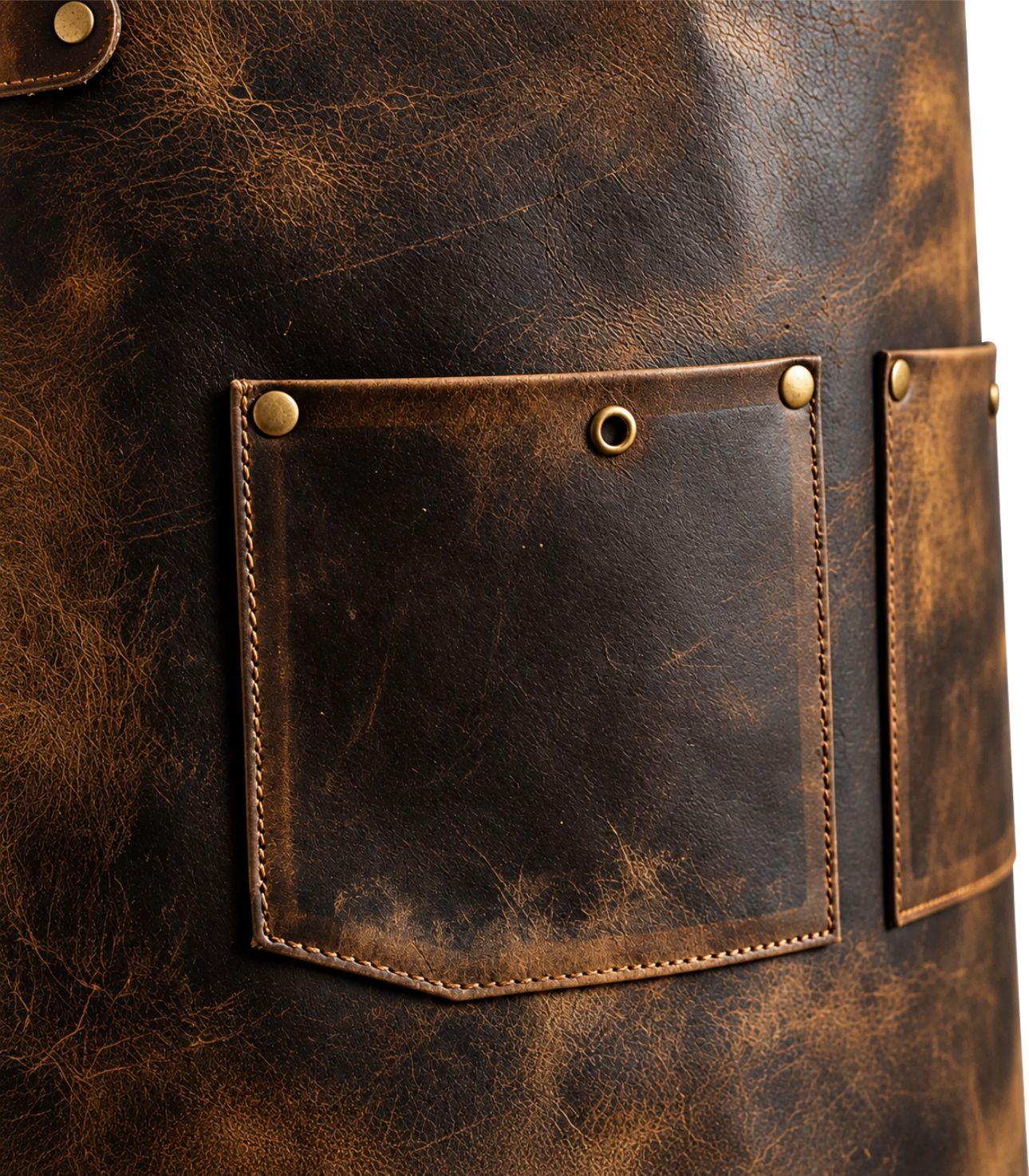
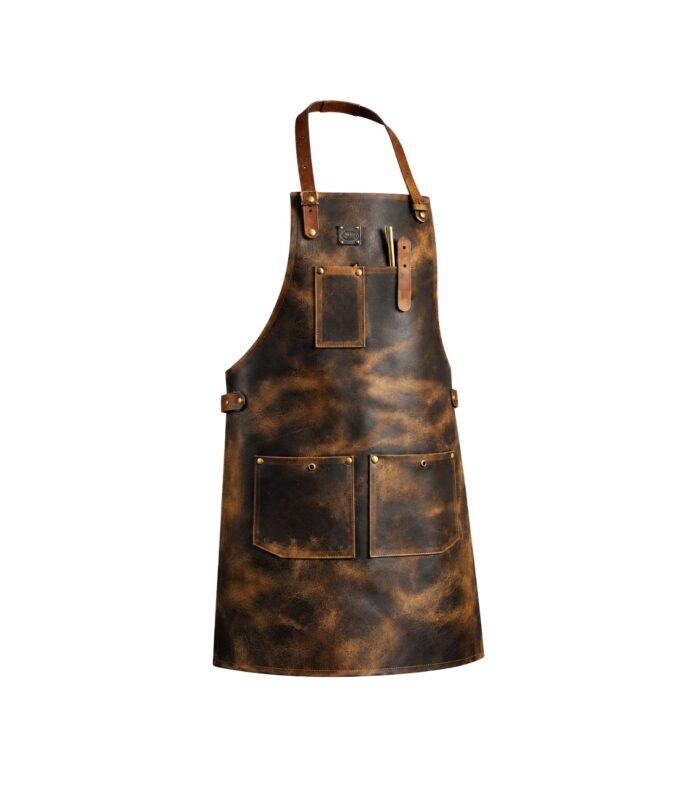
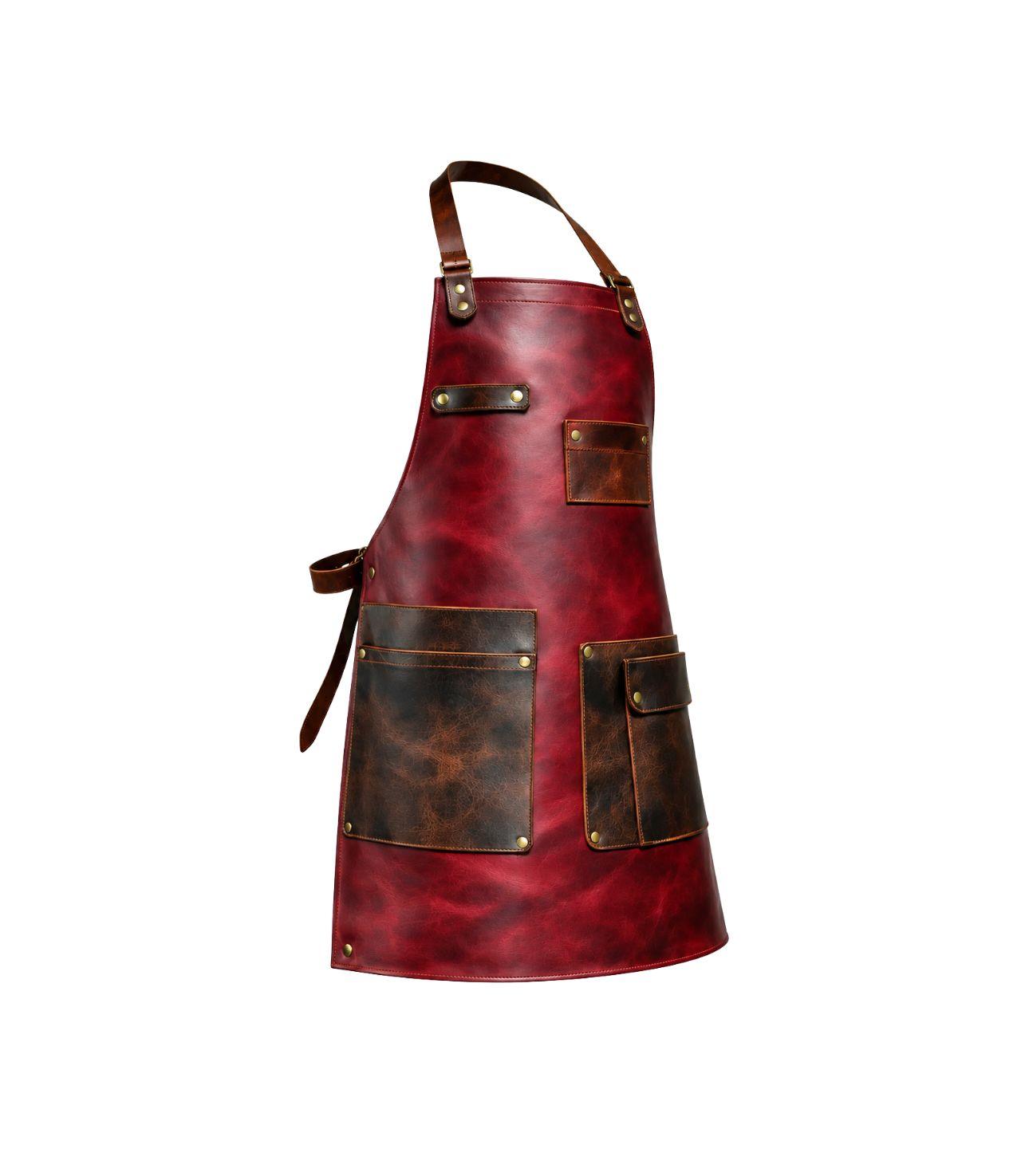
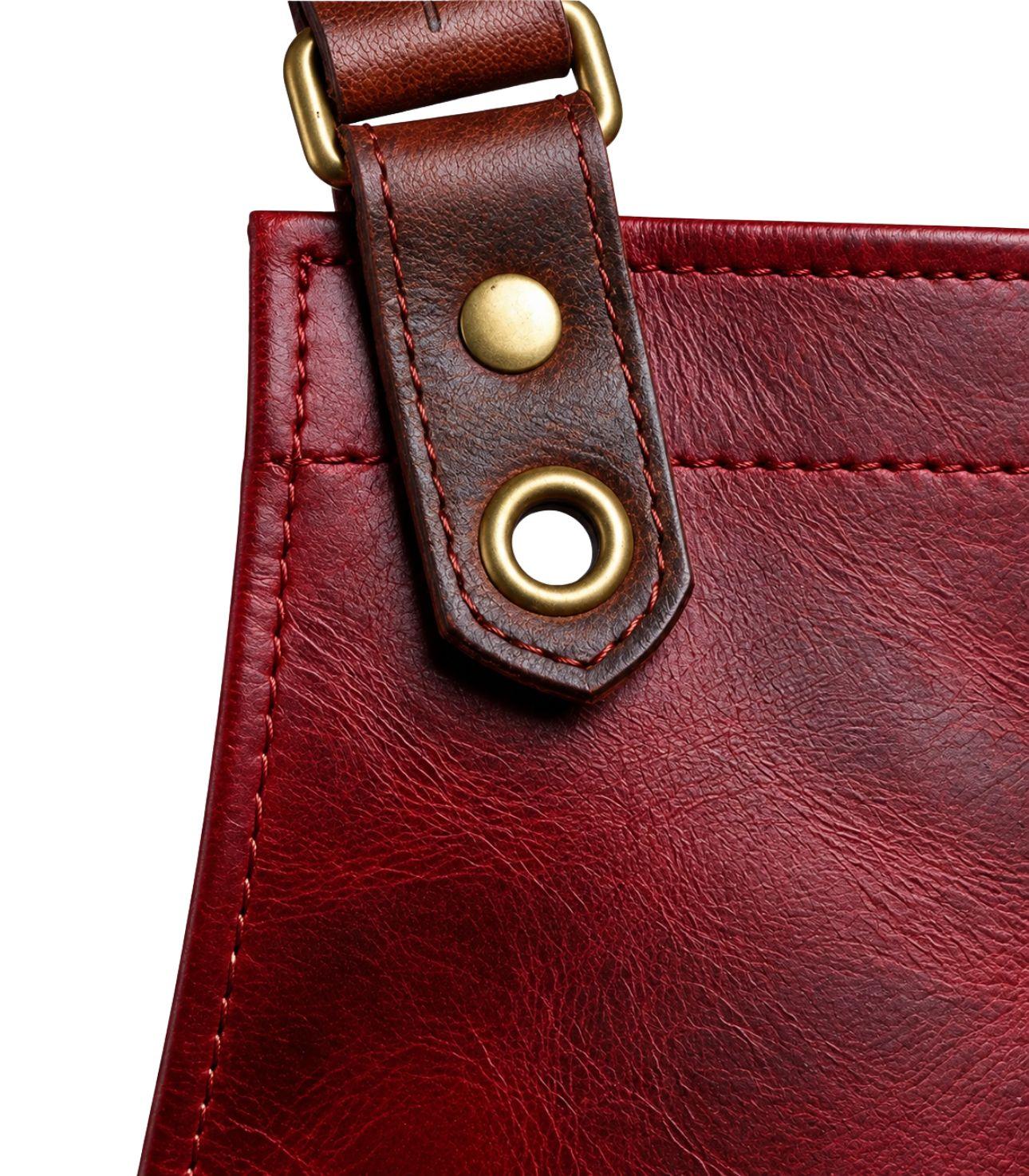
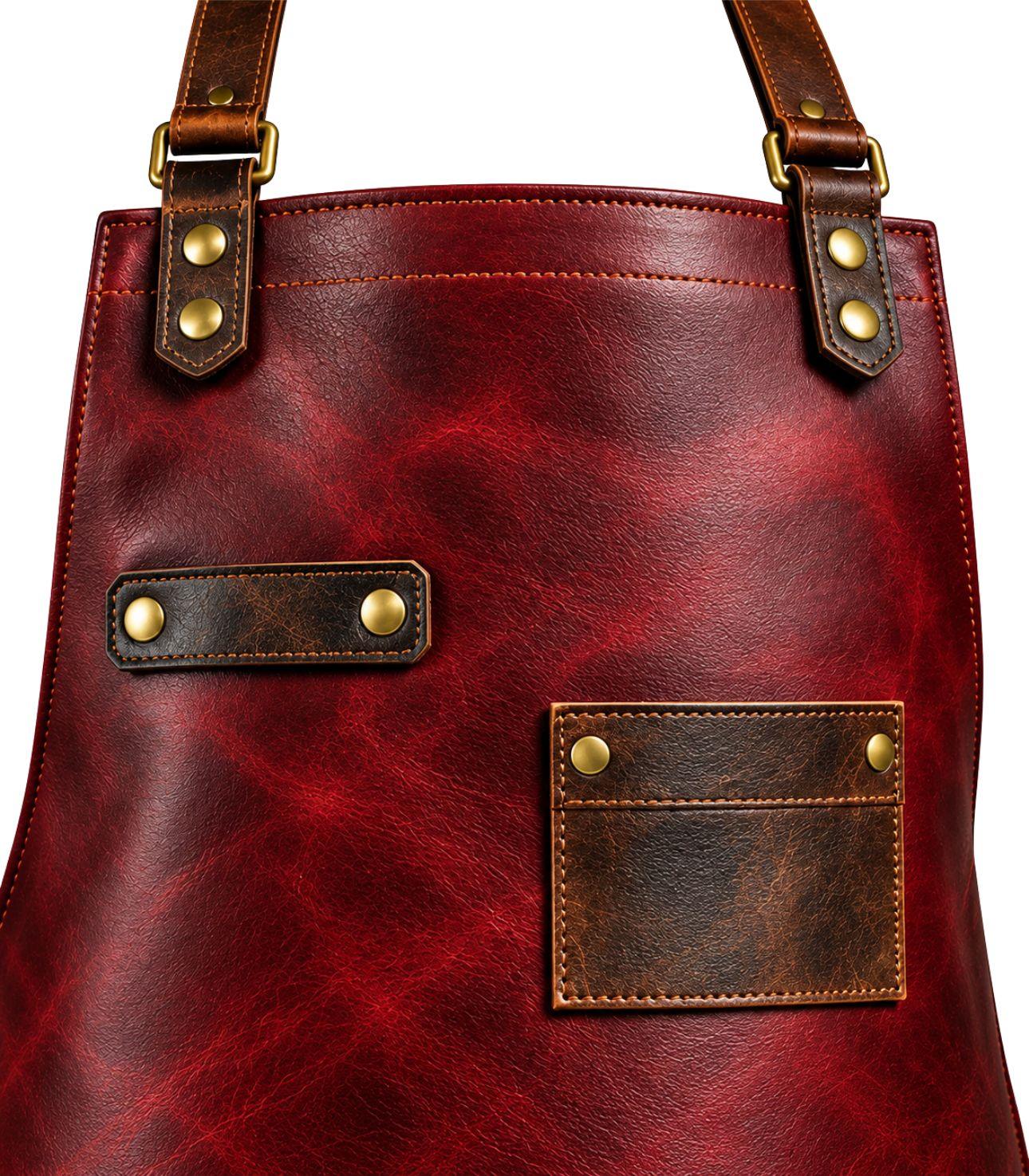
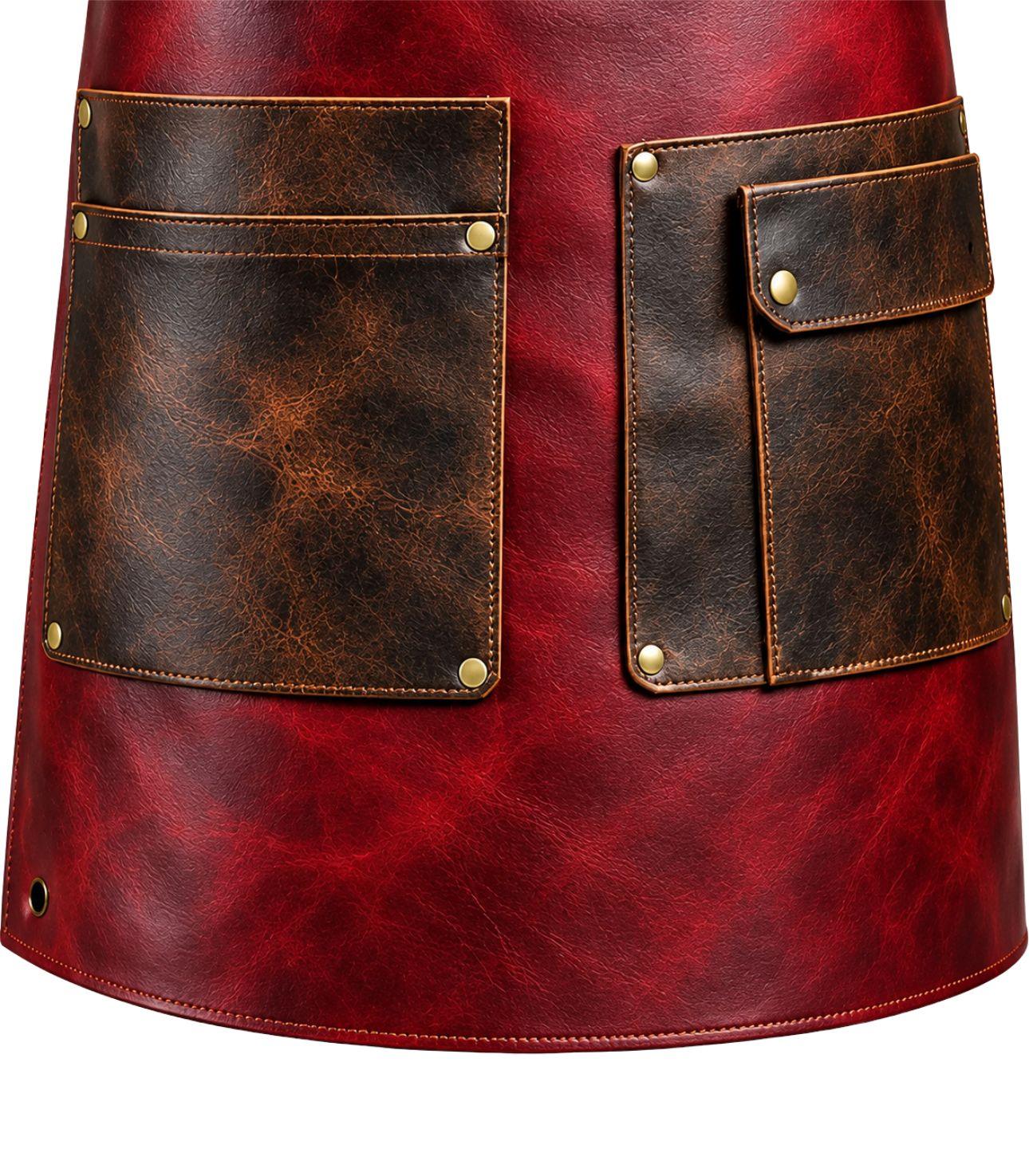
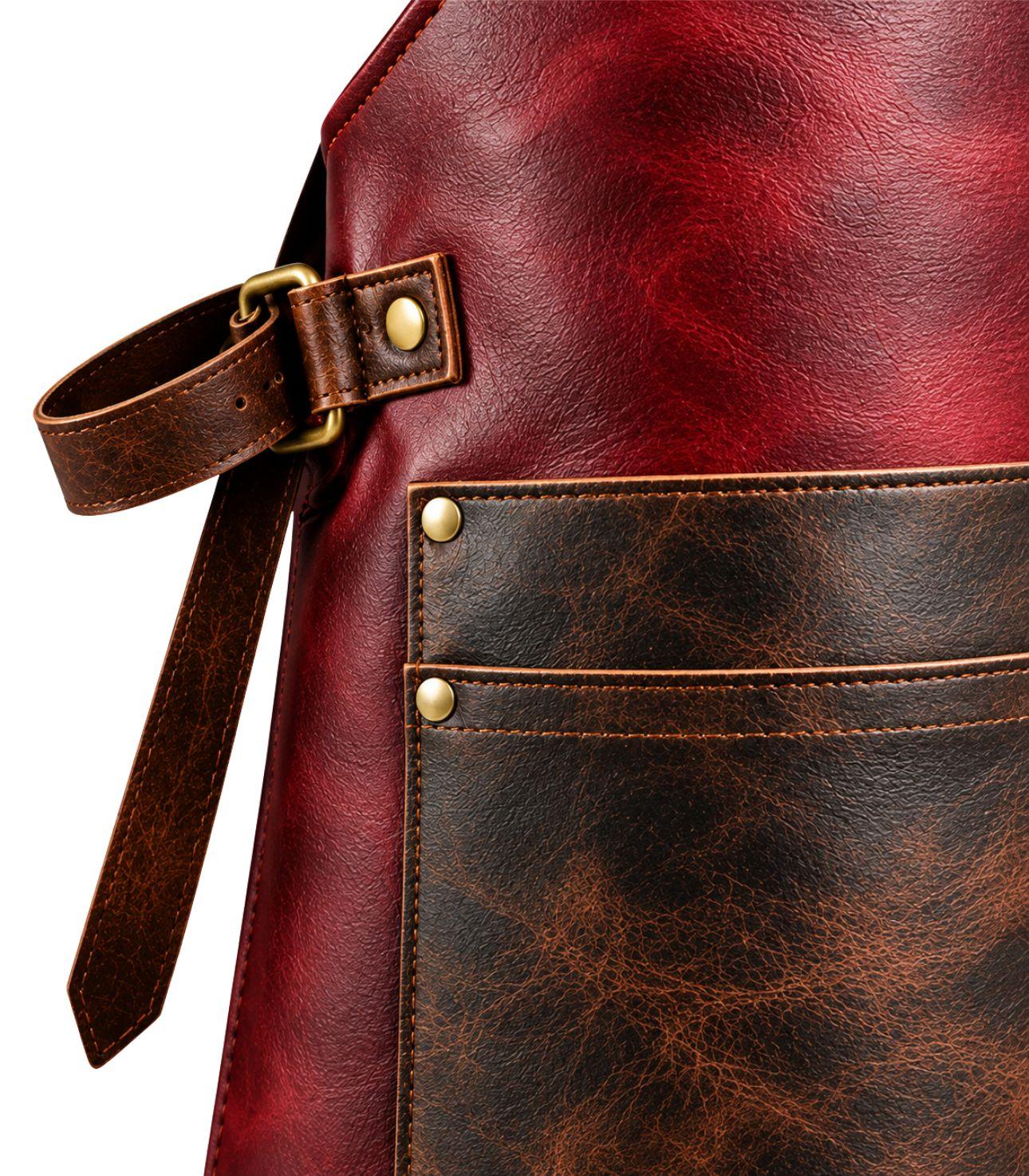
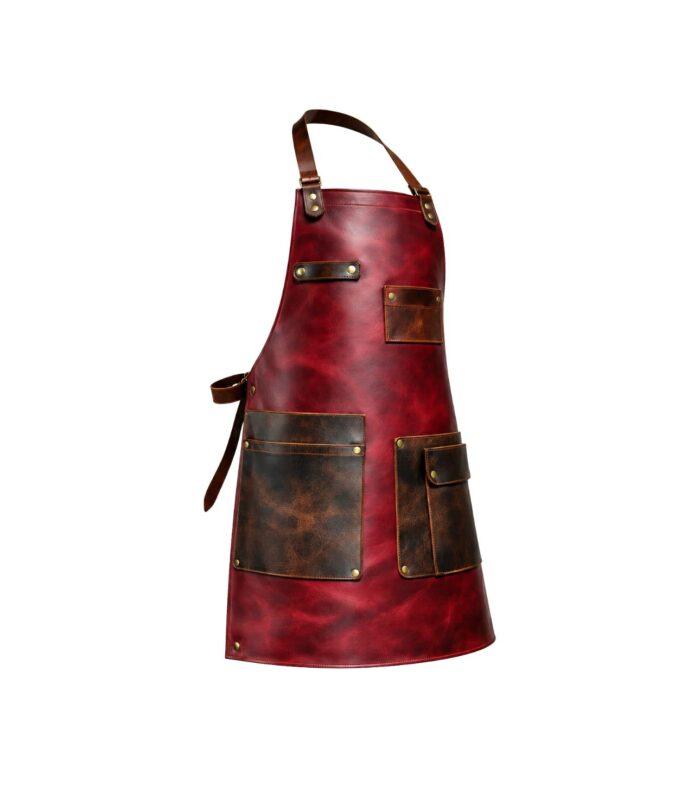
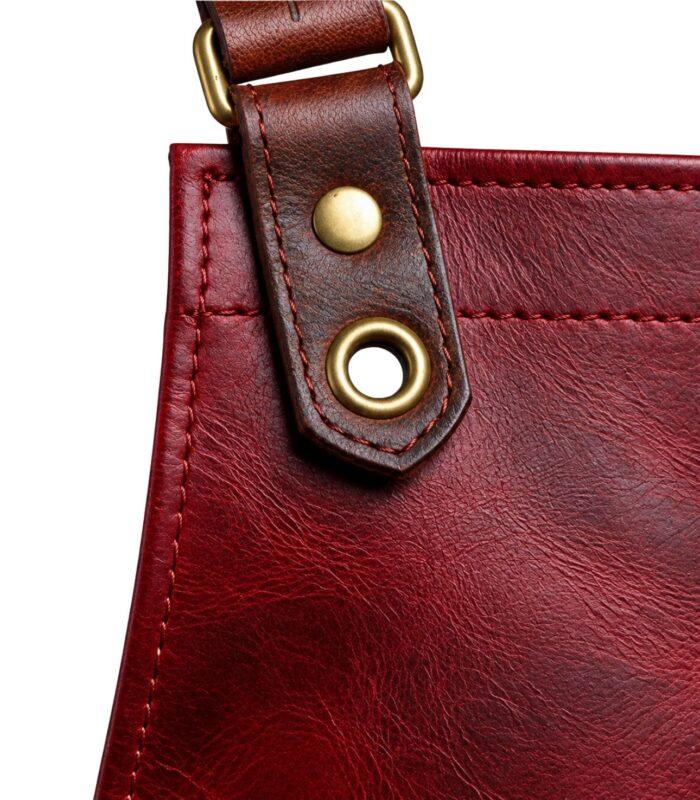
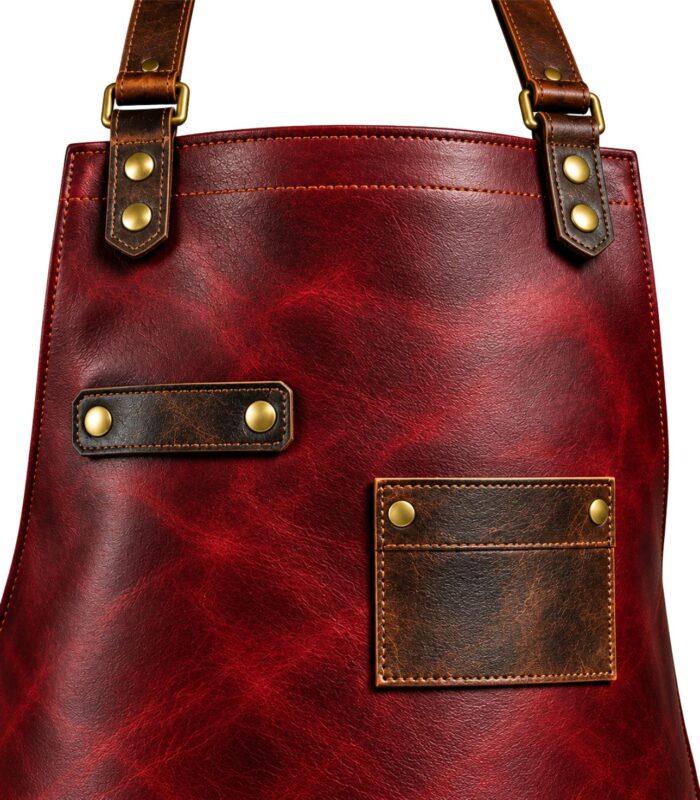
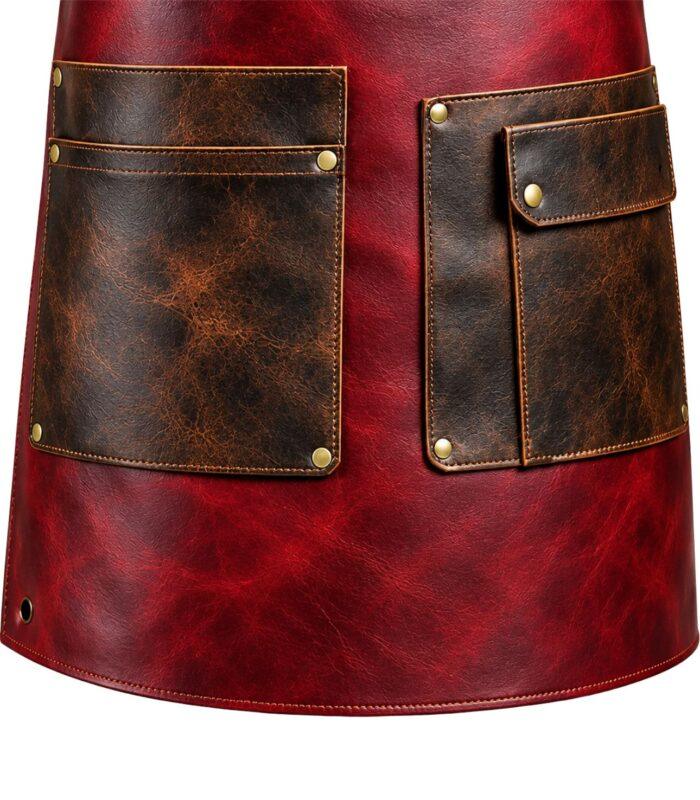
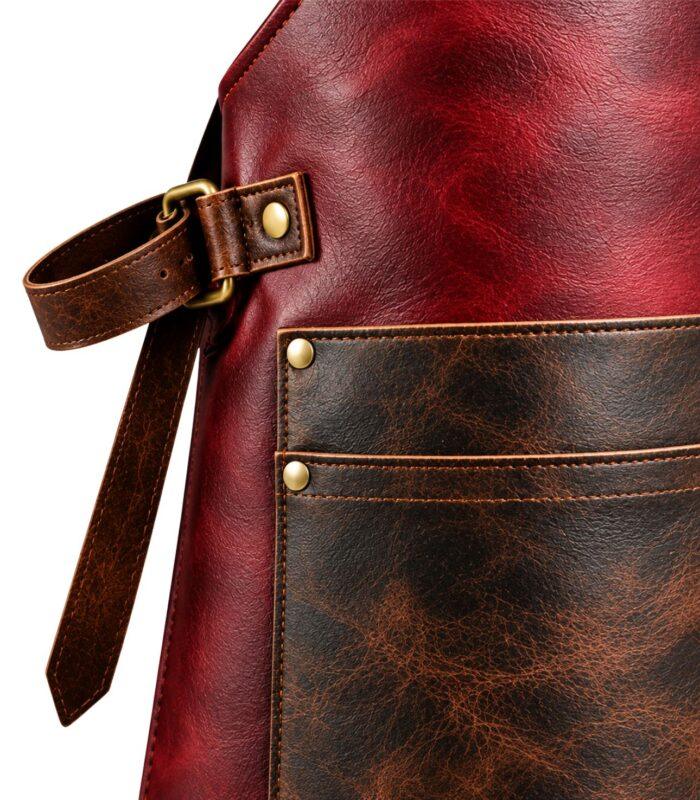
Meat Artisan Red Ember Butcher Apron — $179.00
The Meat Artisan Red Ember Butcher Apron combines rugged leather construction with a professional look, providing dependable coverage and comfort for butchers, meat artisans, and hardworking kitchen professionals.
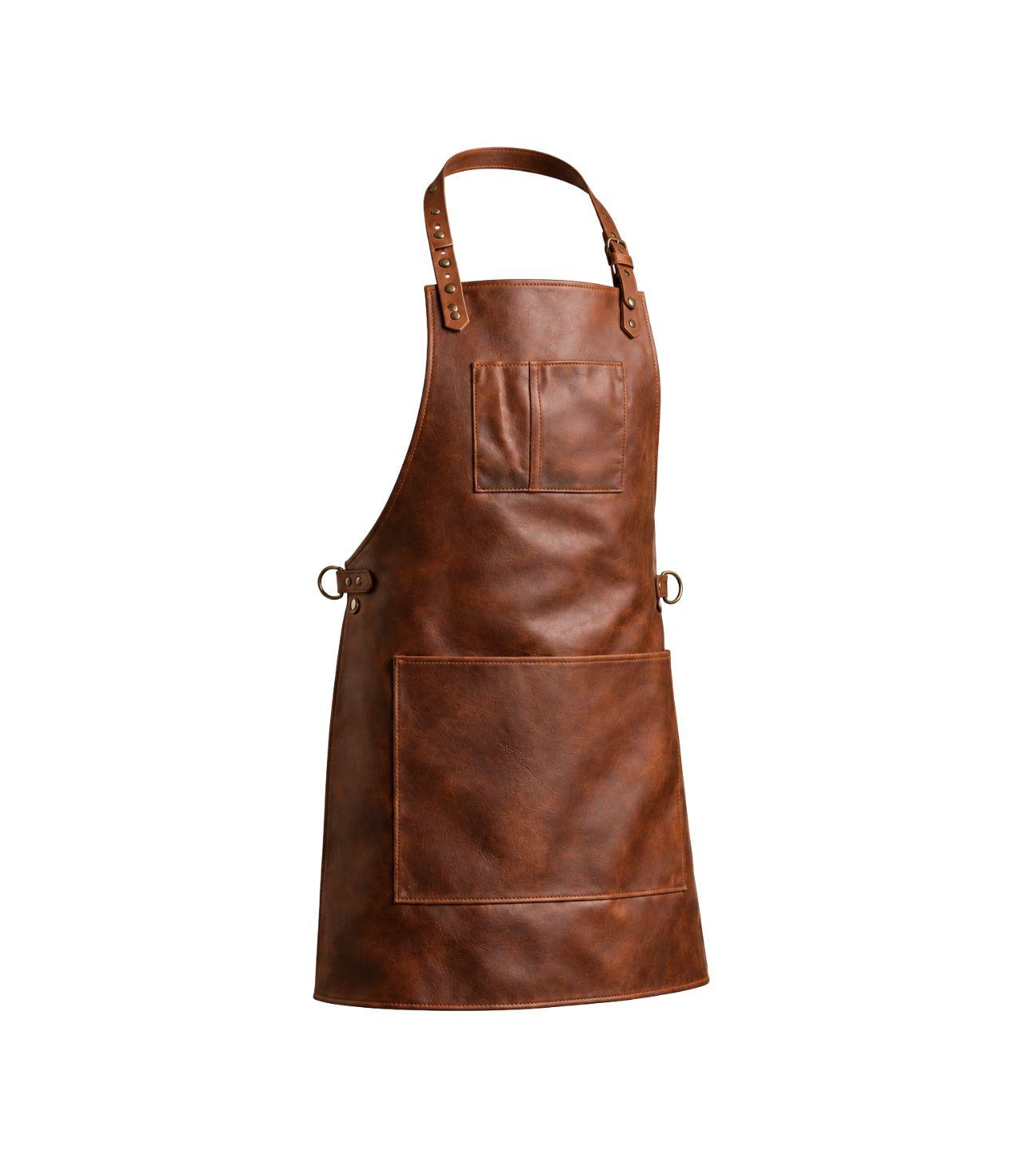
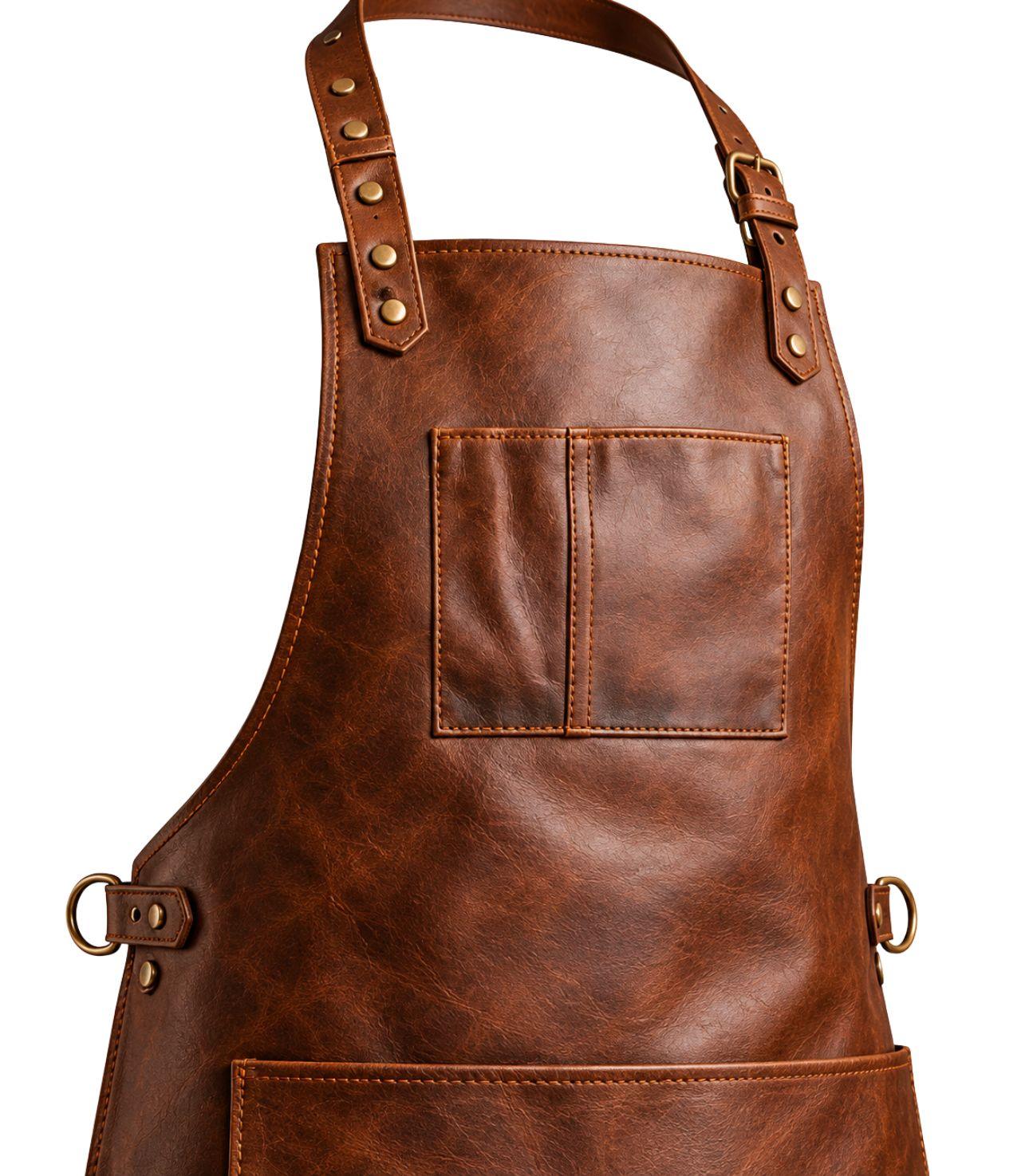
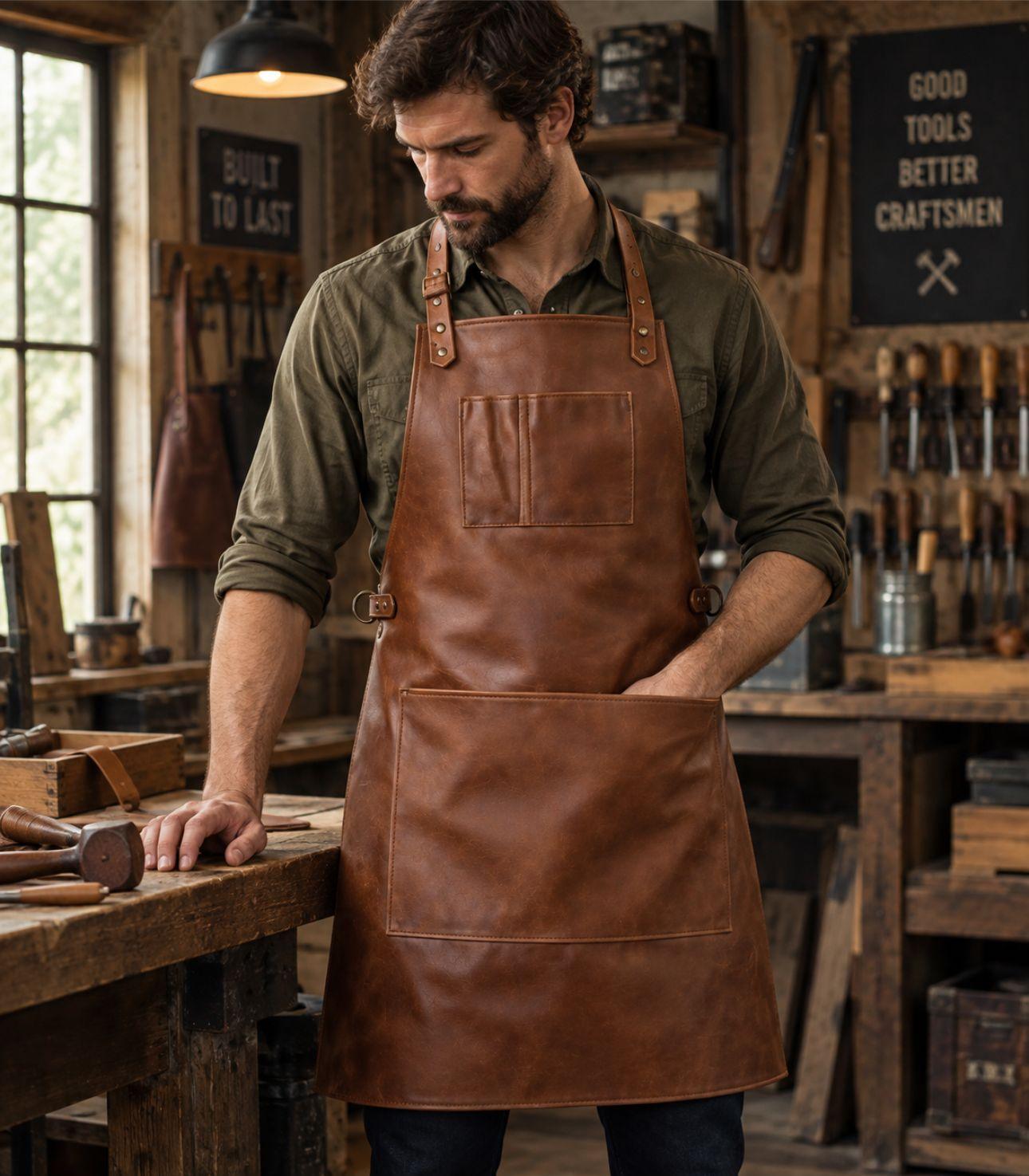
Front Pockets Yorkshire Full Grain Tan Brown Apron — $179.00
Crafted from full grain leather, the Yorkshire Tan Brown Apron features practical front pockets for convenient storage while providing durable coverage for butchery, grilling, and workshop tasks.
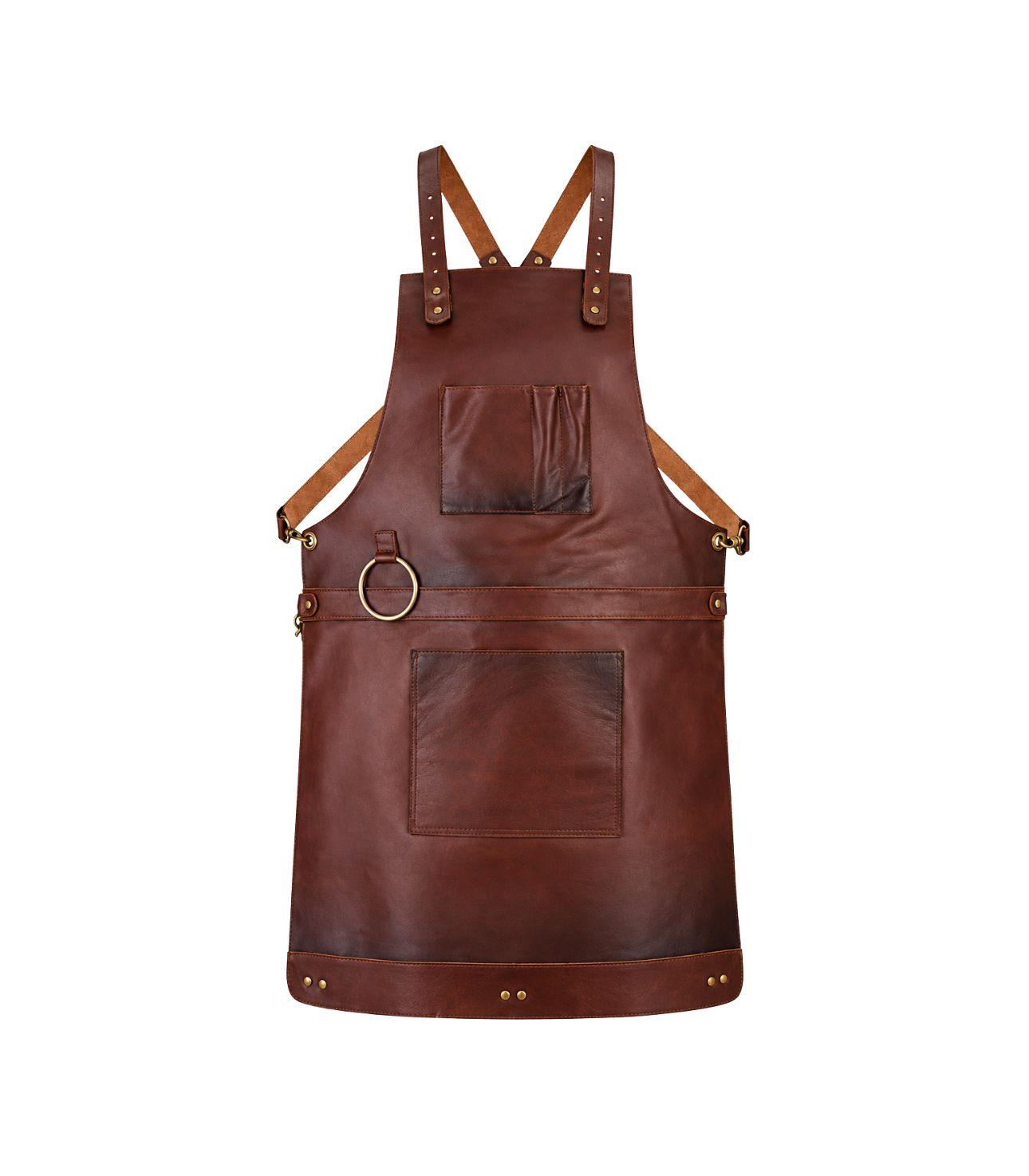
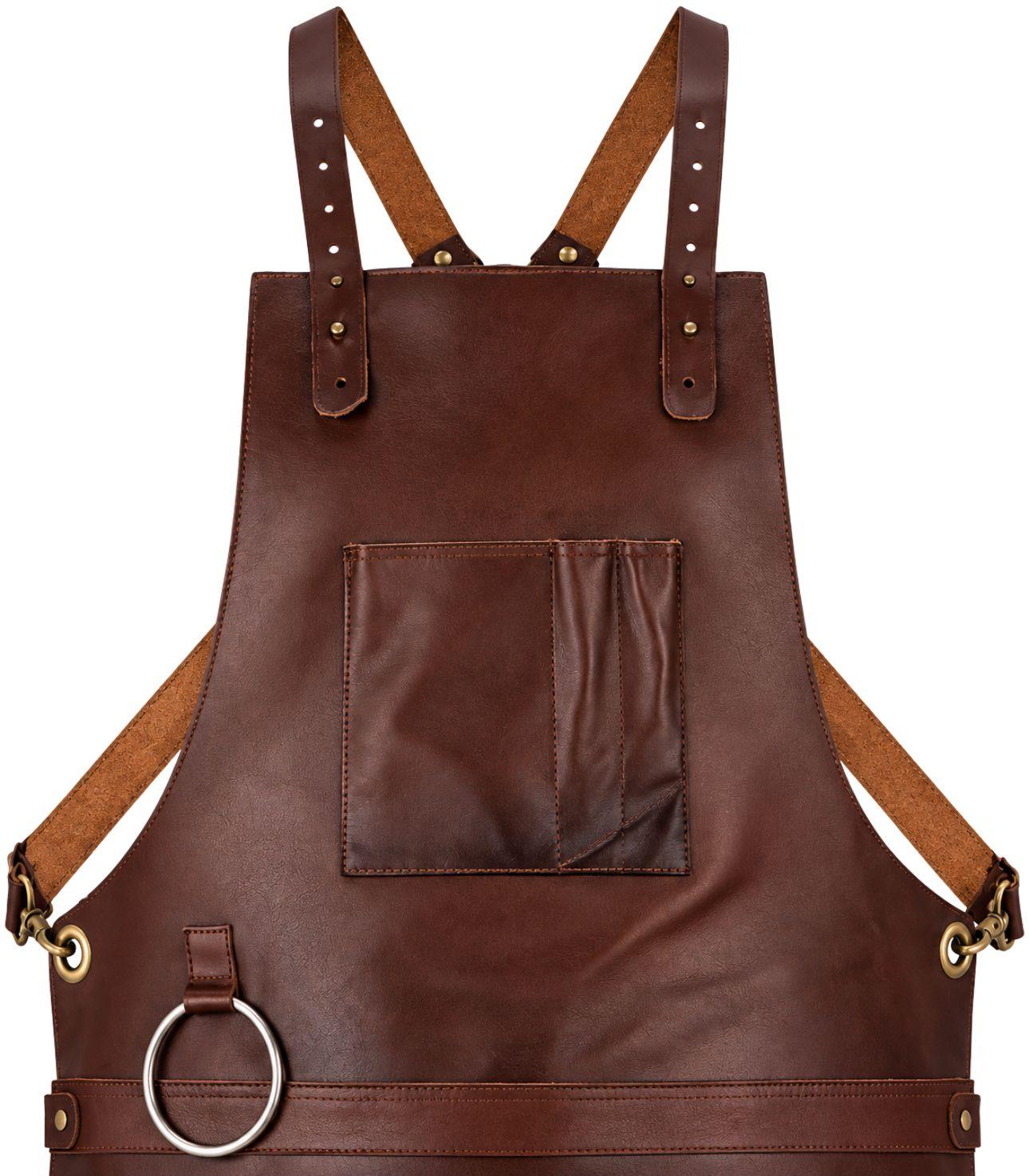
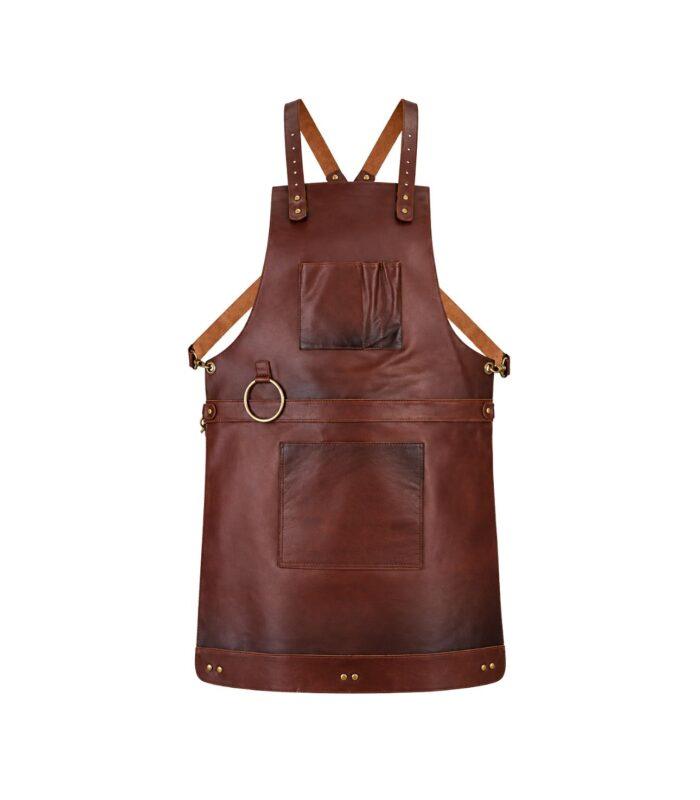
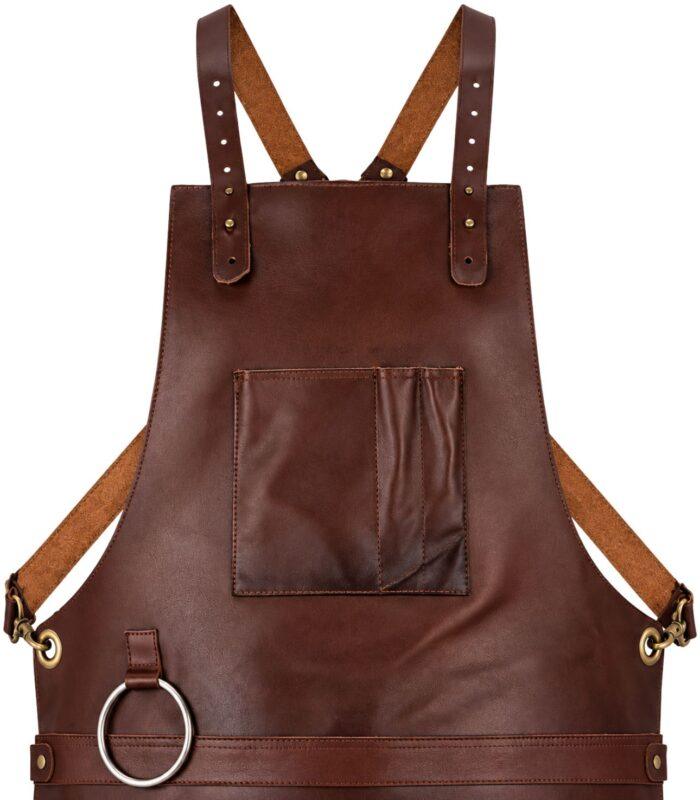
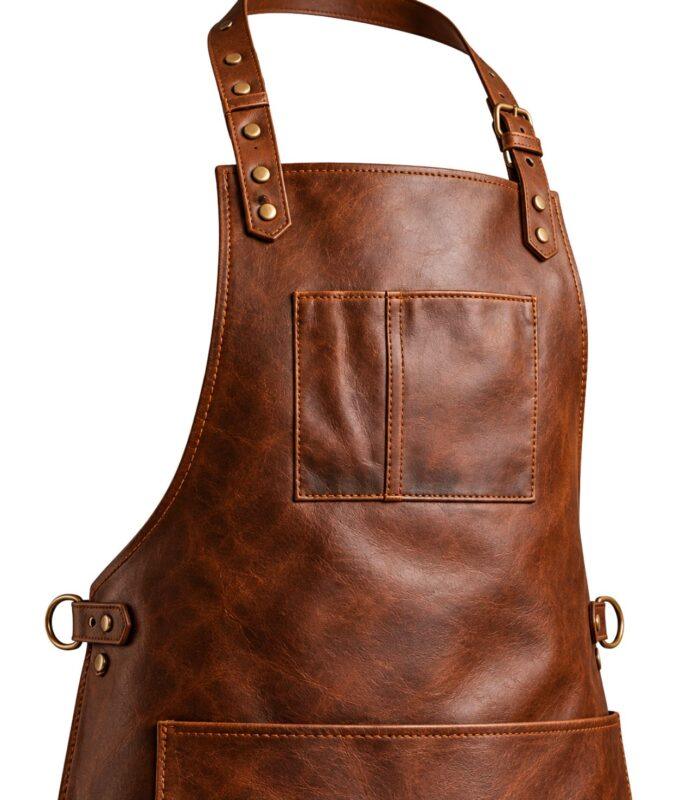
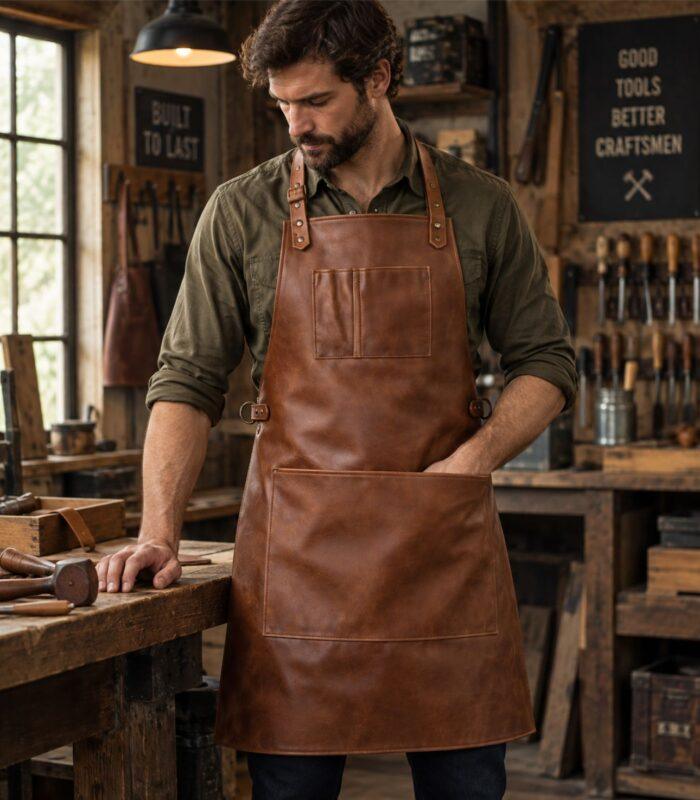
Classic Dark Brown Leather Apron — $169.00
A timeless choice for daily work, the Classic Dark Brown Leather Apron offers durable leather coverage and a versatile design suited to butchers, chefs, grillers, and skilled craftsmen.
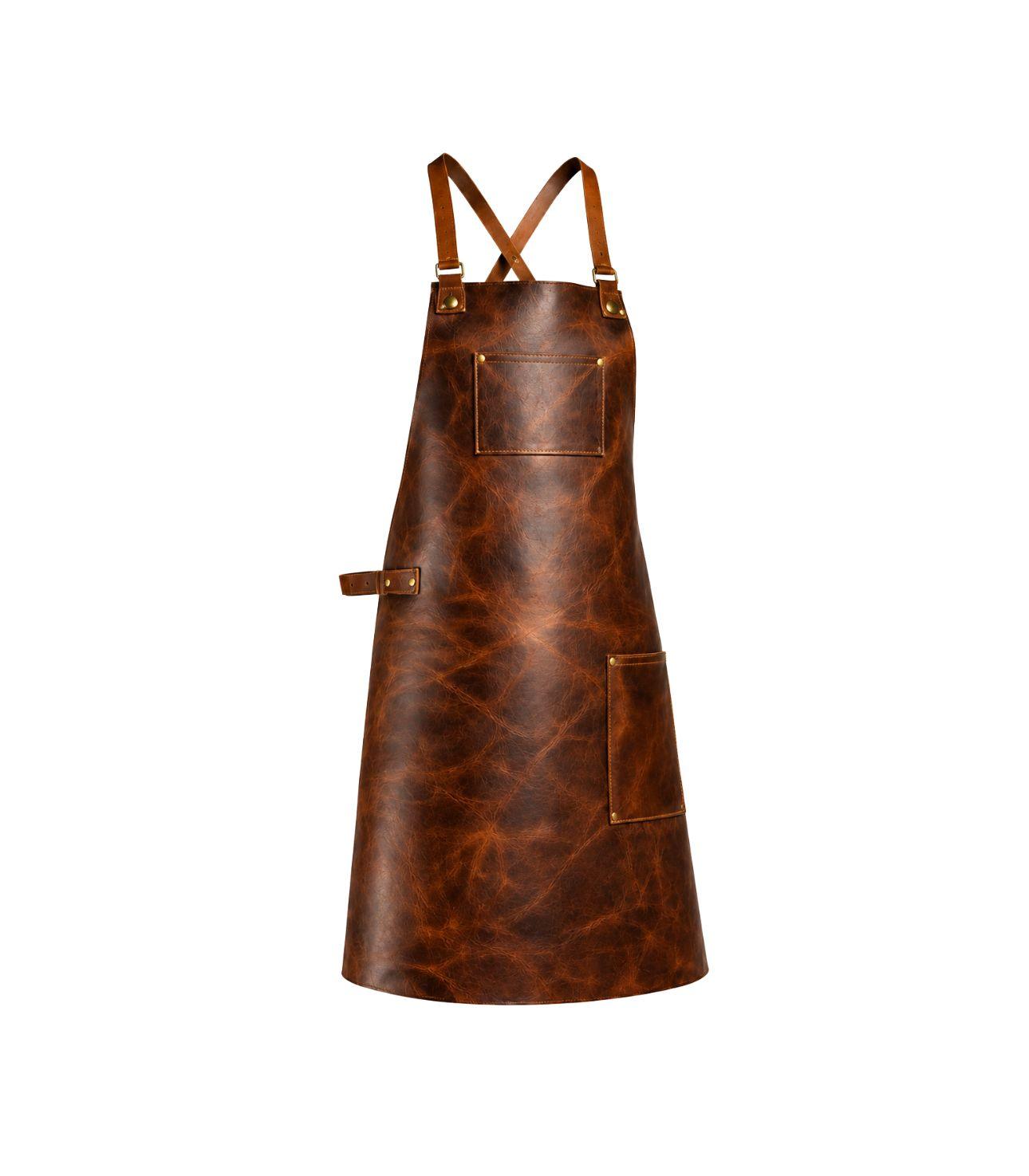
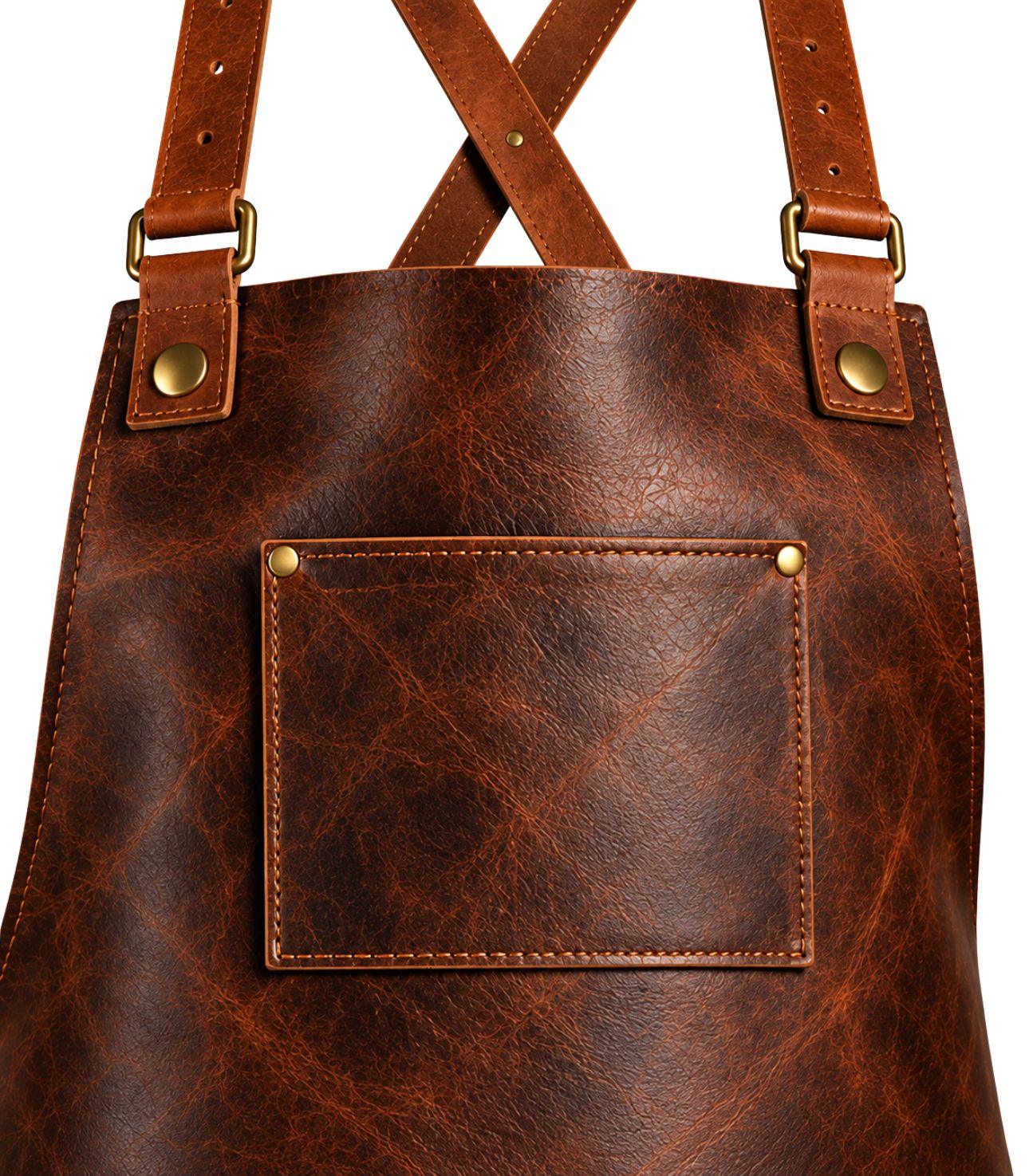
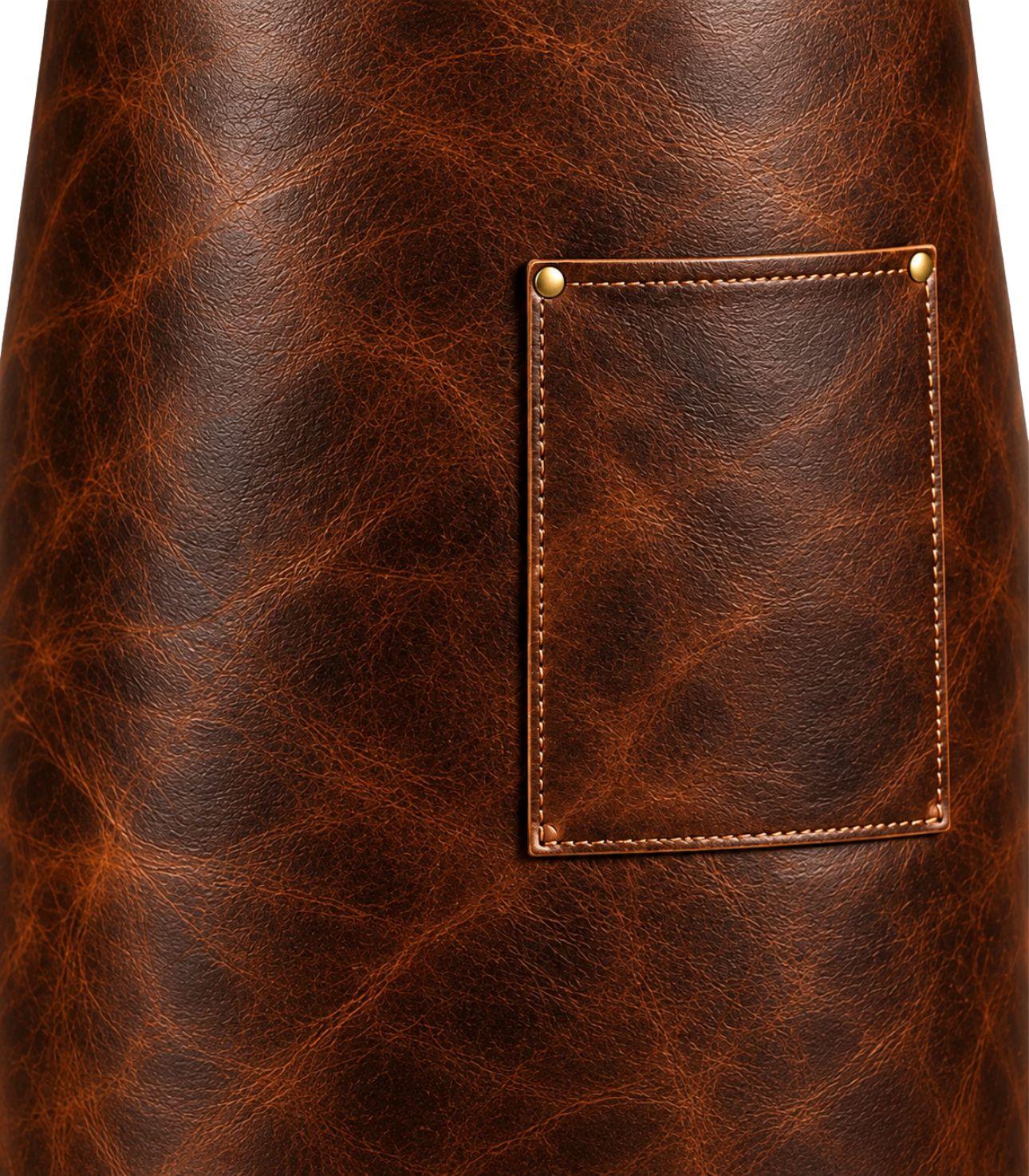
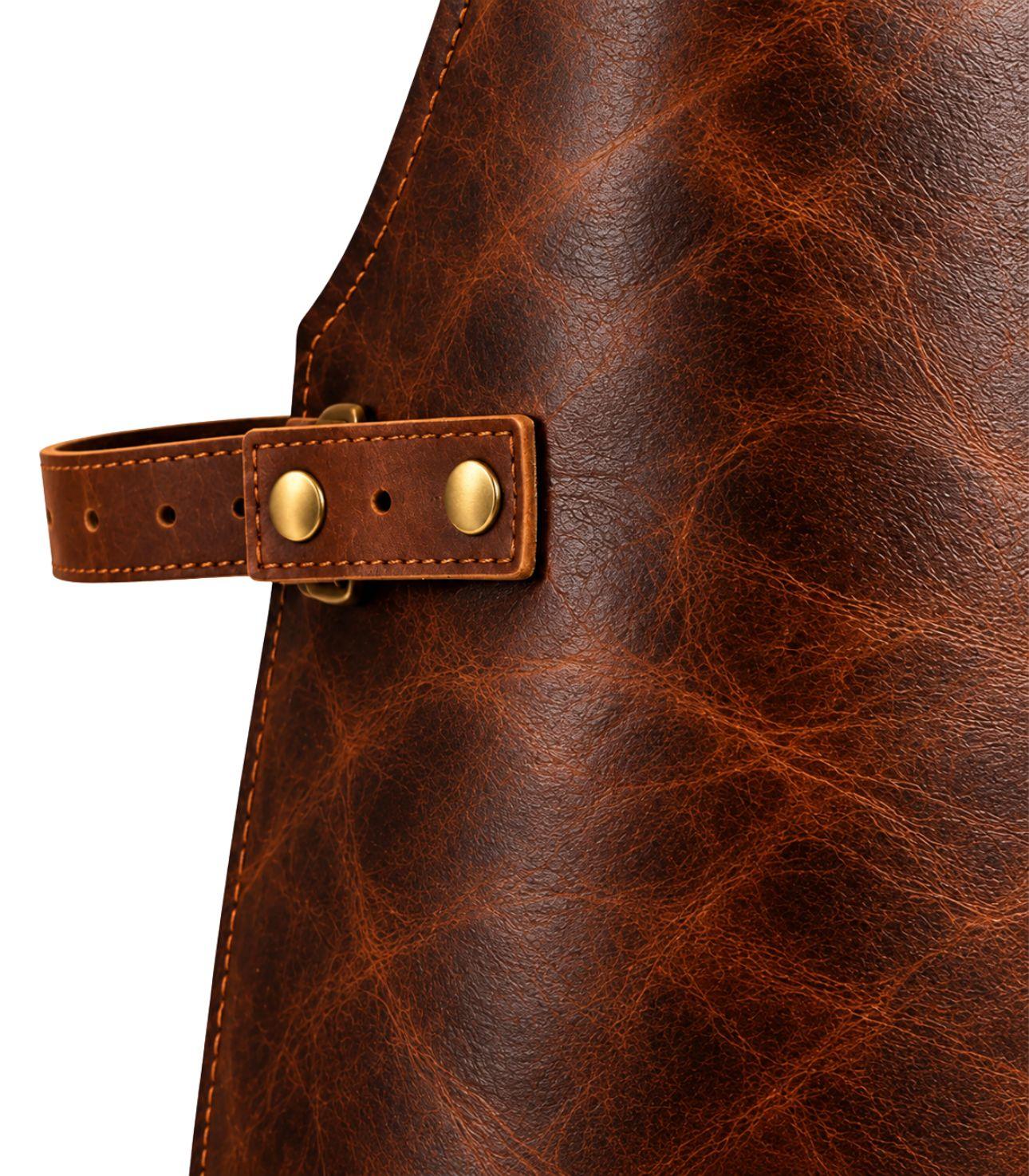
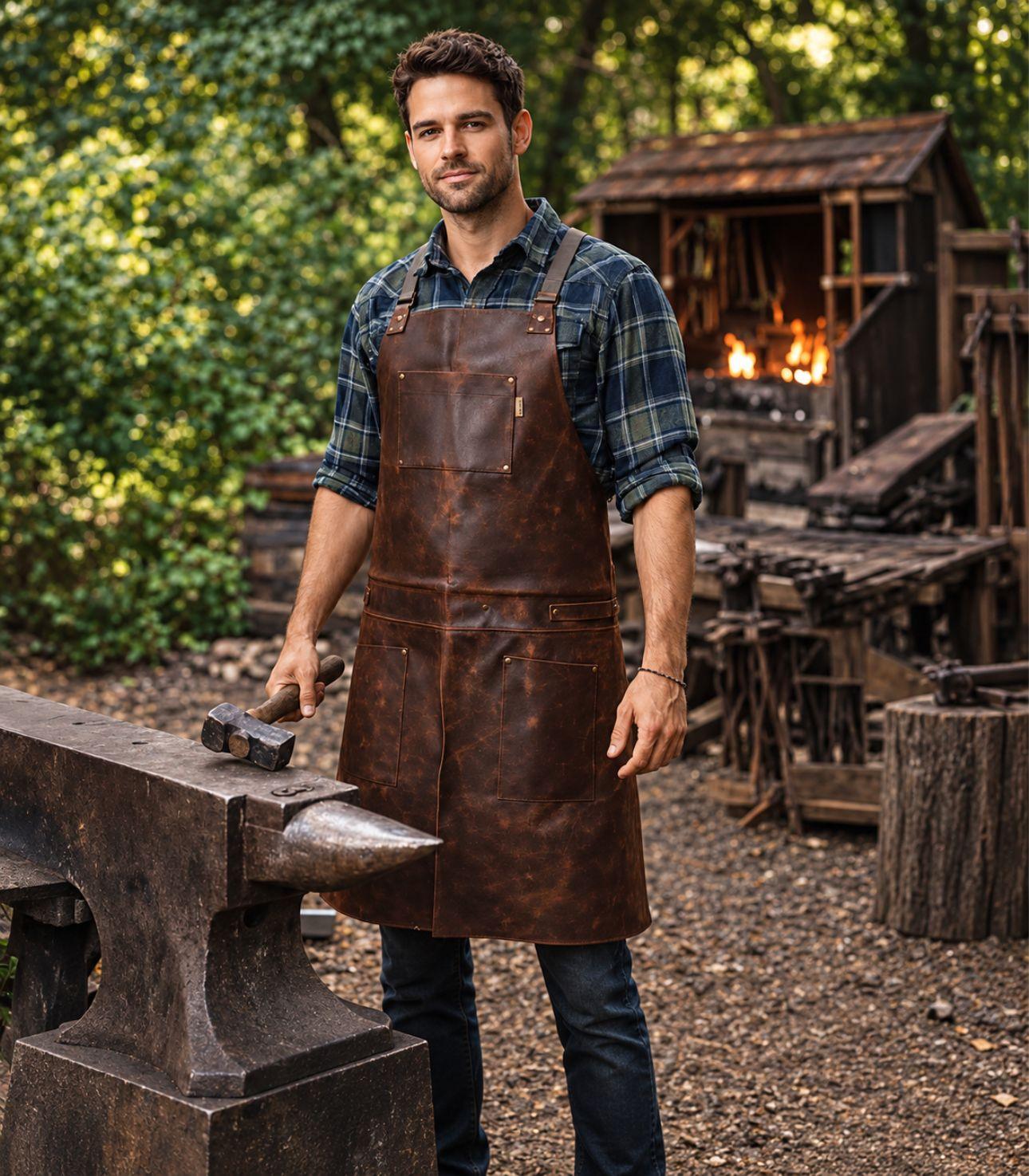
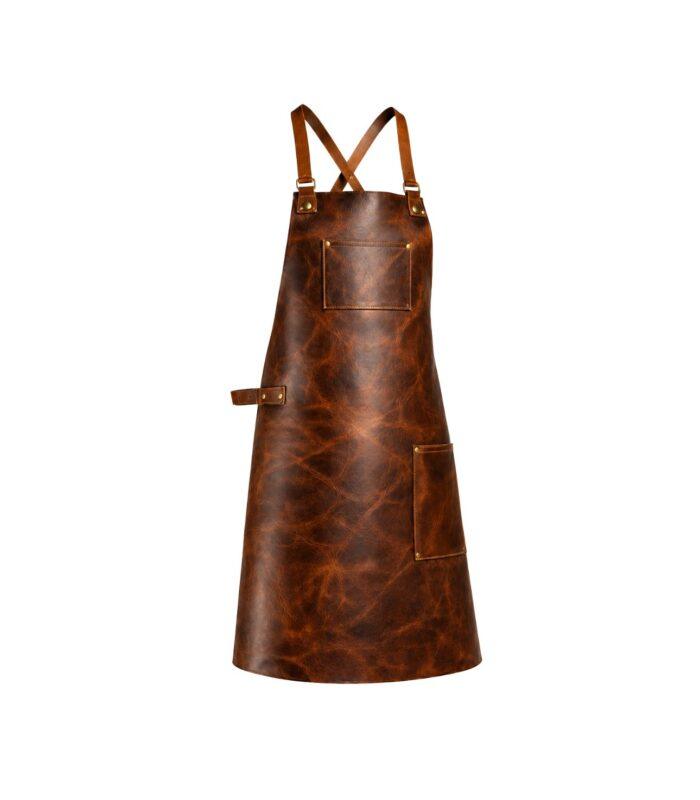
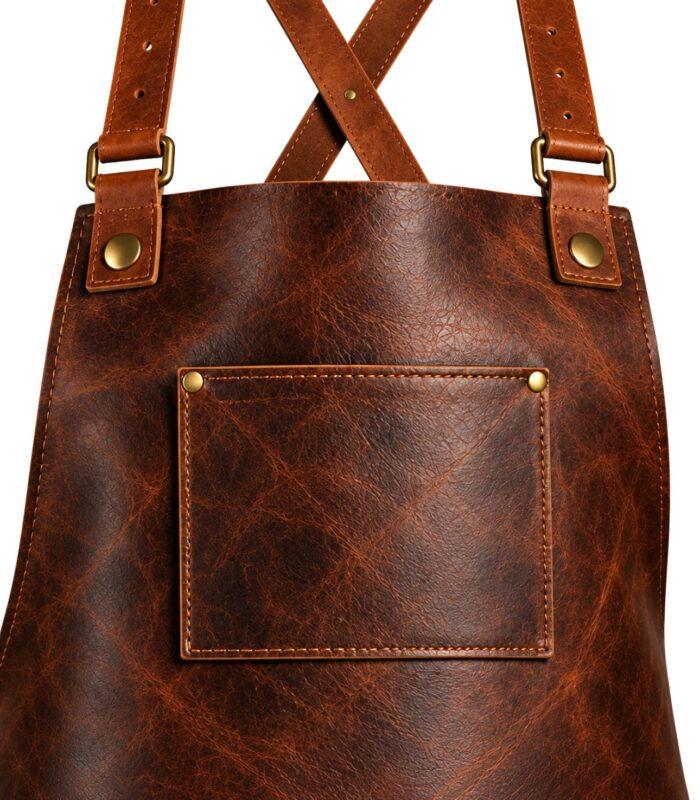
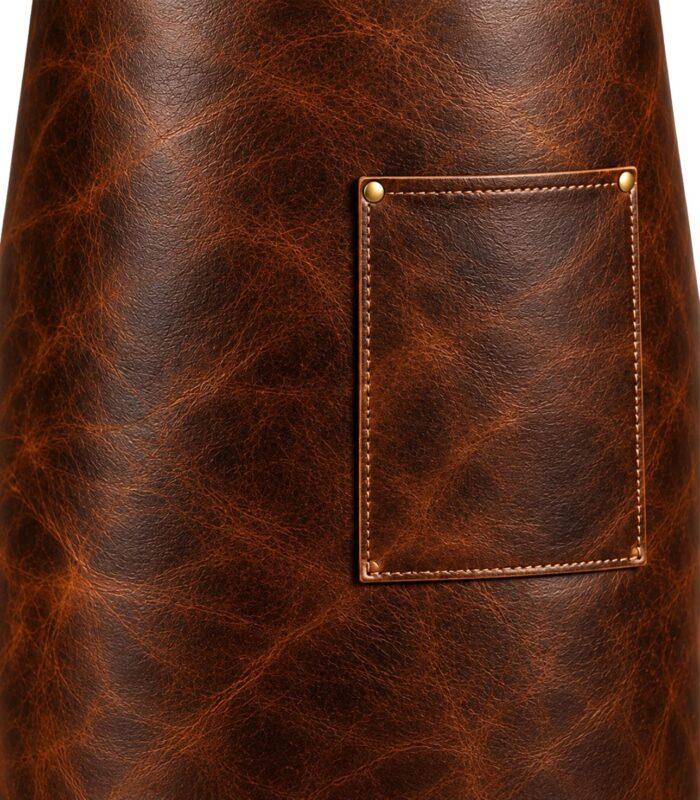
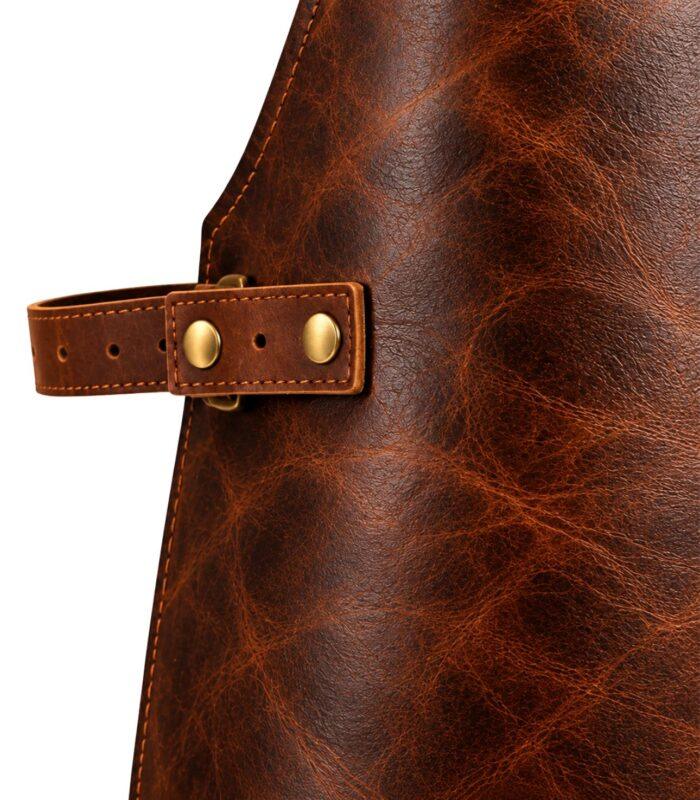
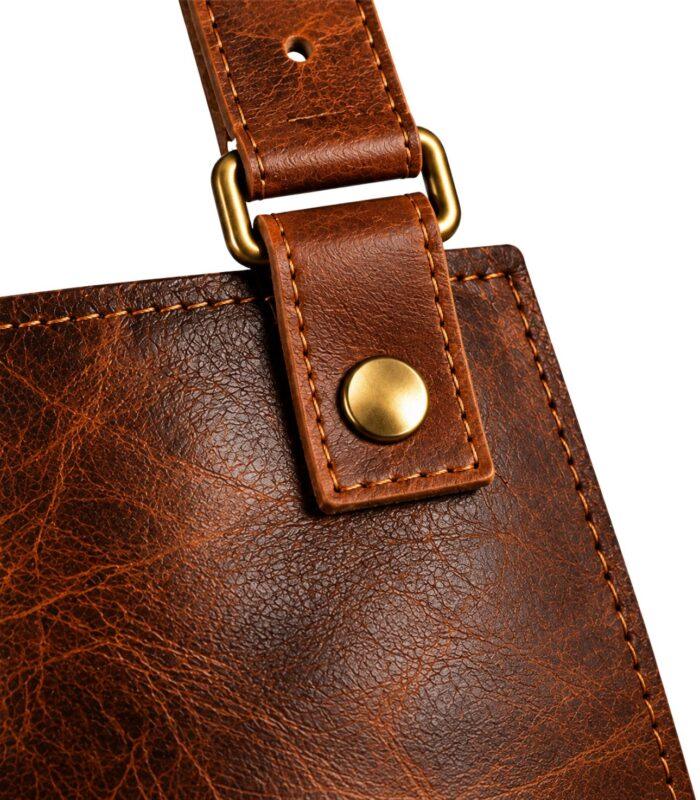
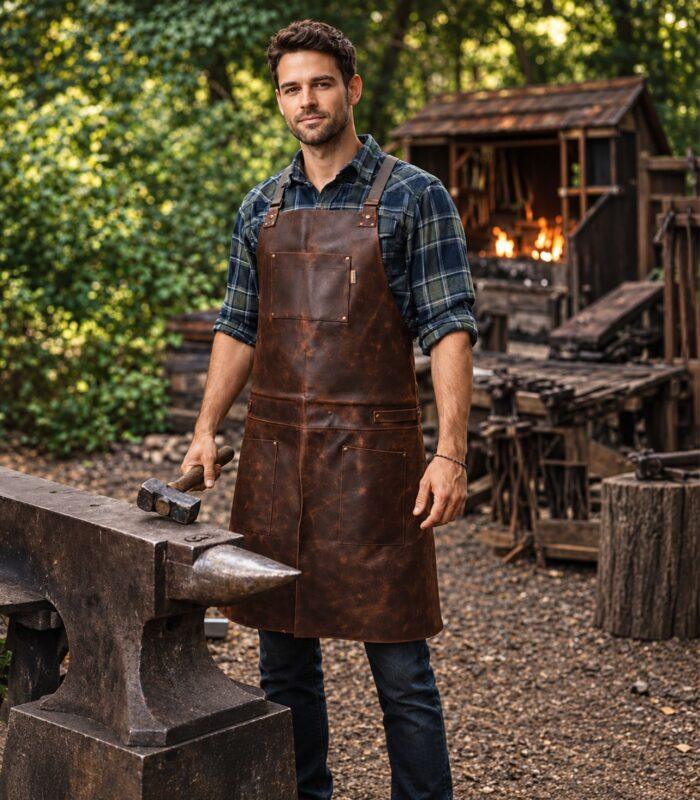
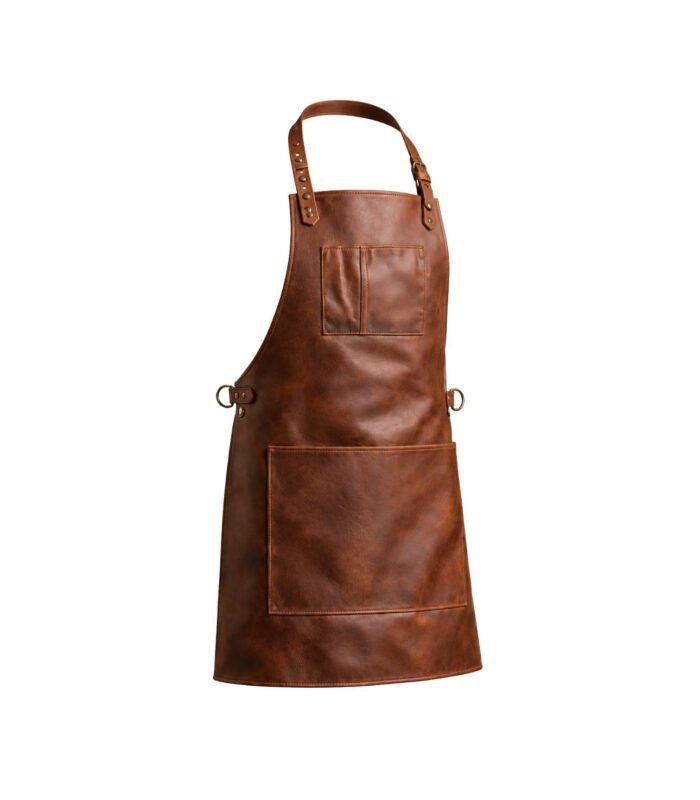
The Dorset Dark Brown Full Grain Leather Apron — $179.00
Made with full grain leather, The Dorset Dark Brown Apron delivers a durable, professional design with reliable coverage for demanding butchery, culinary, and hands-on work.
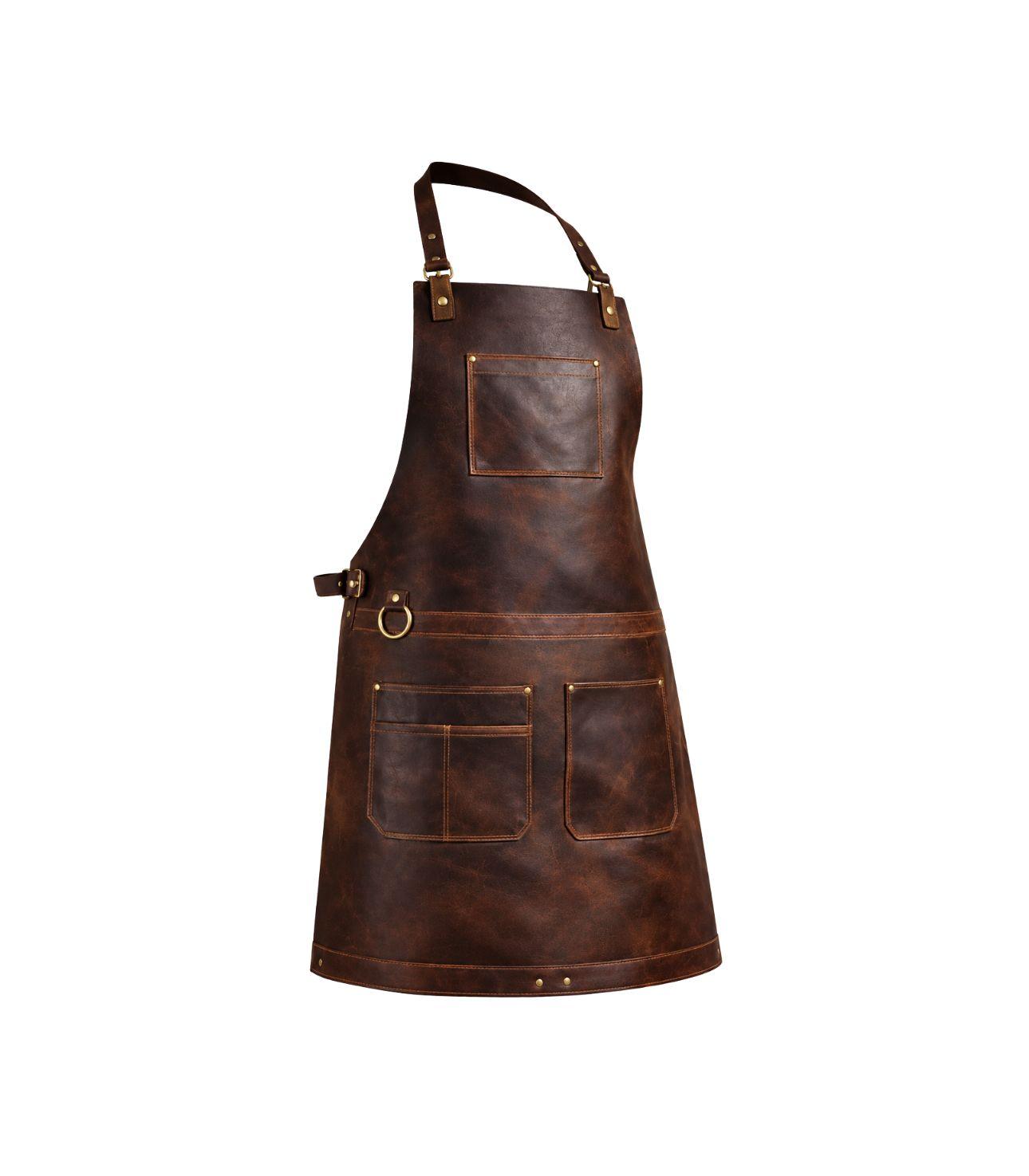
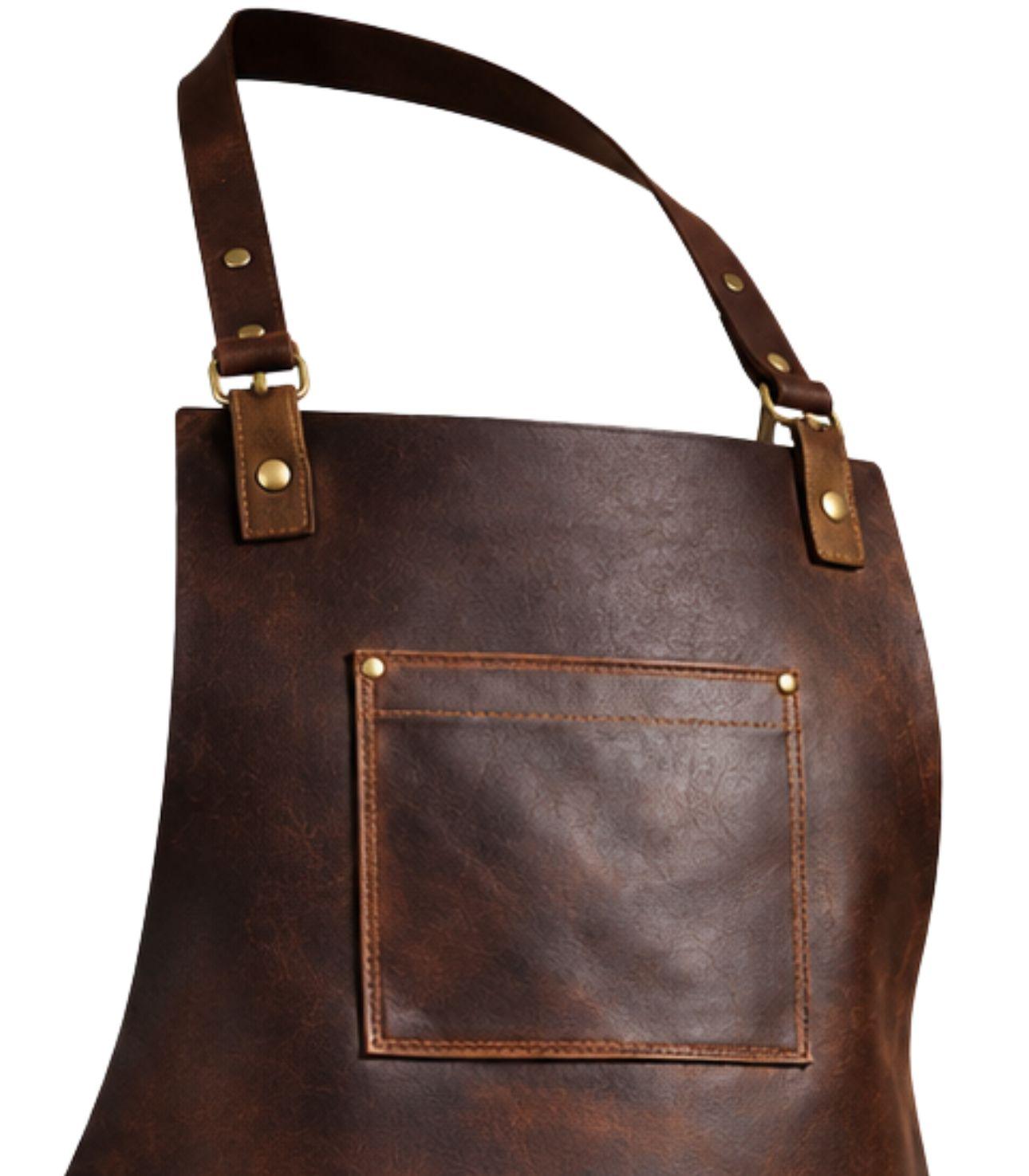
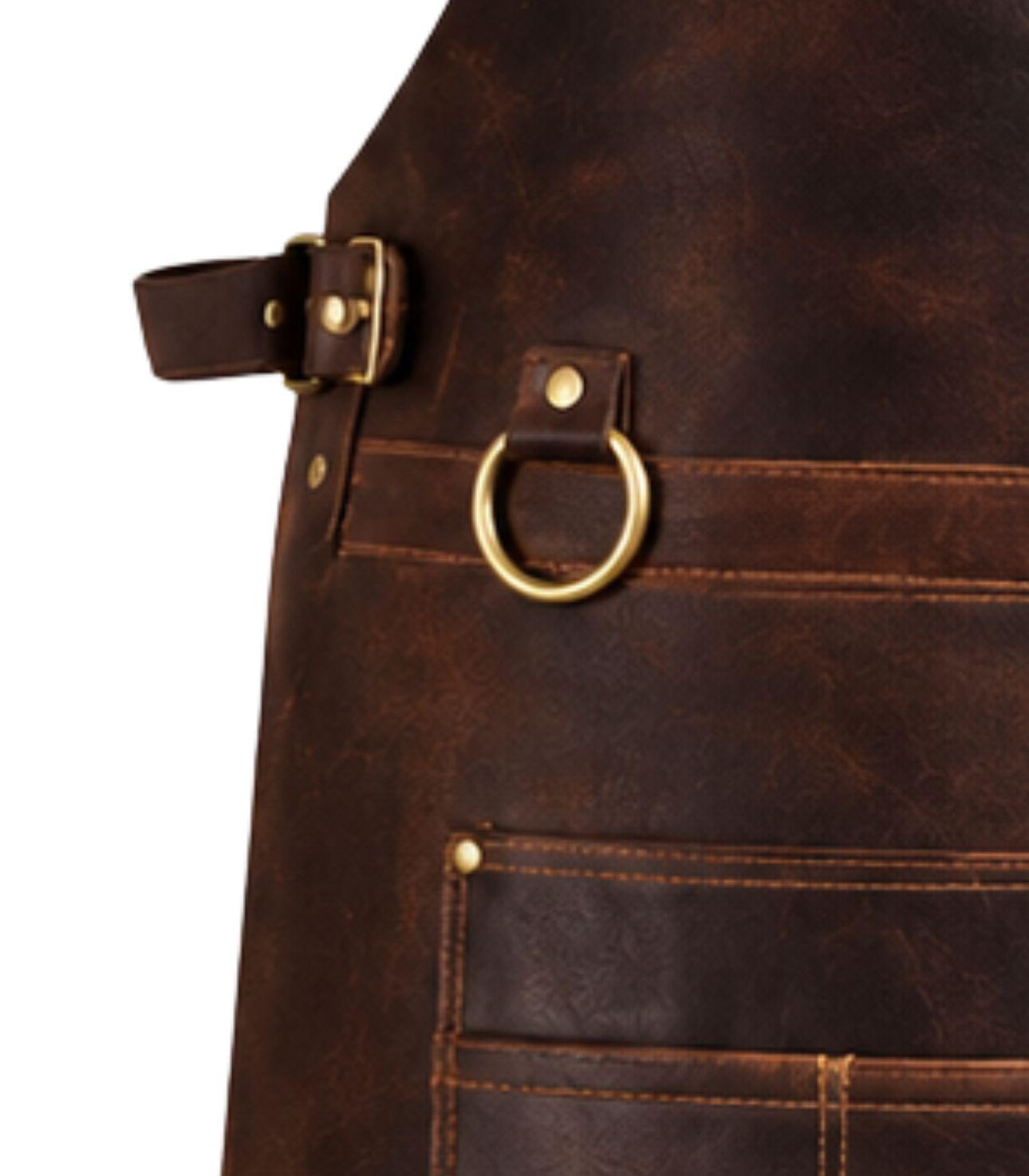
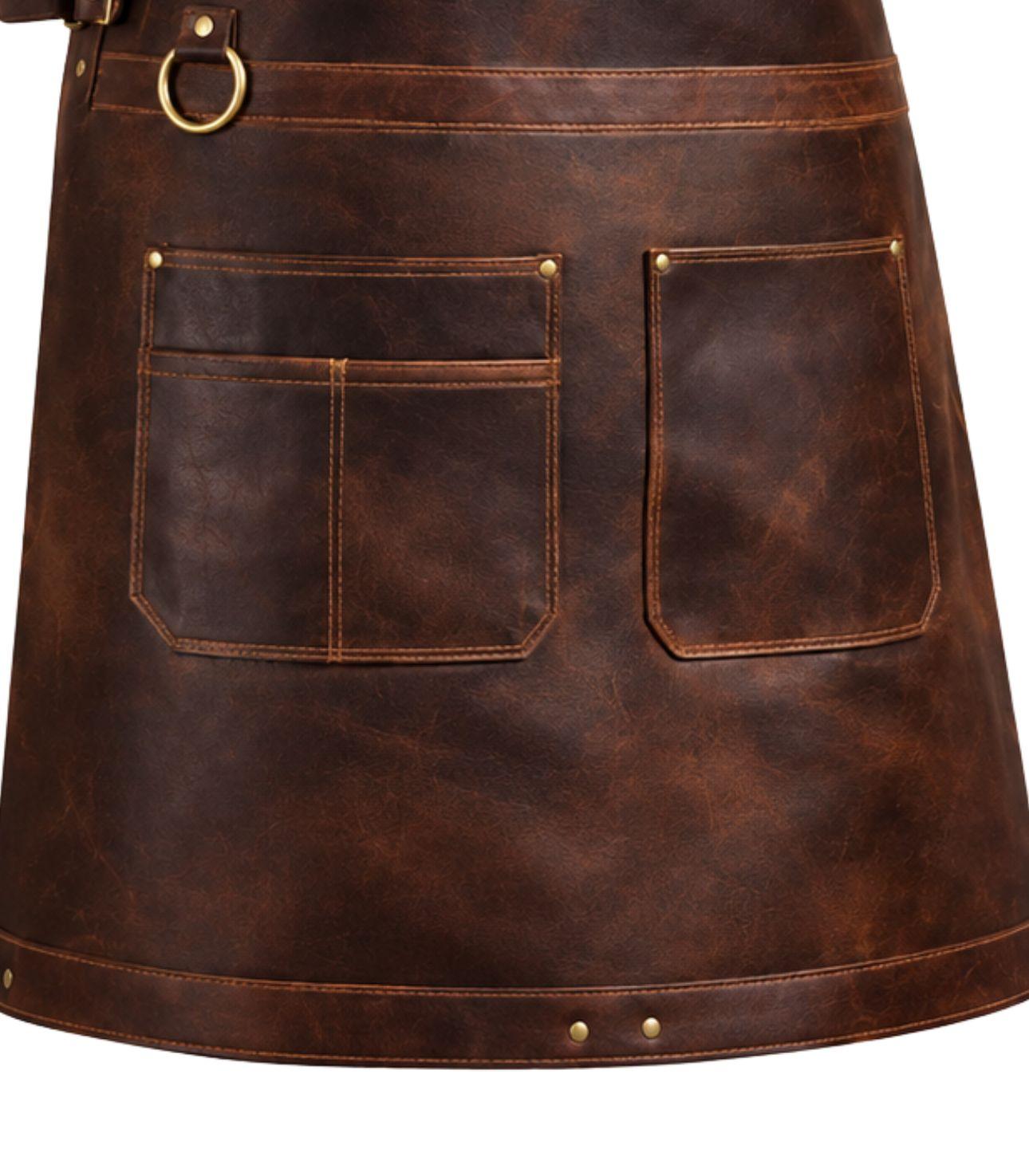
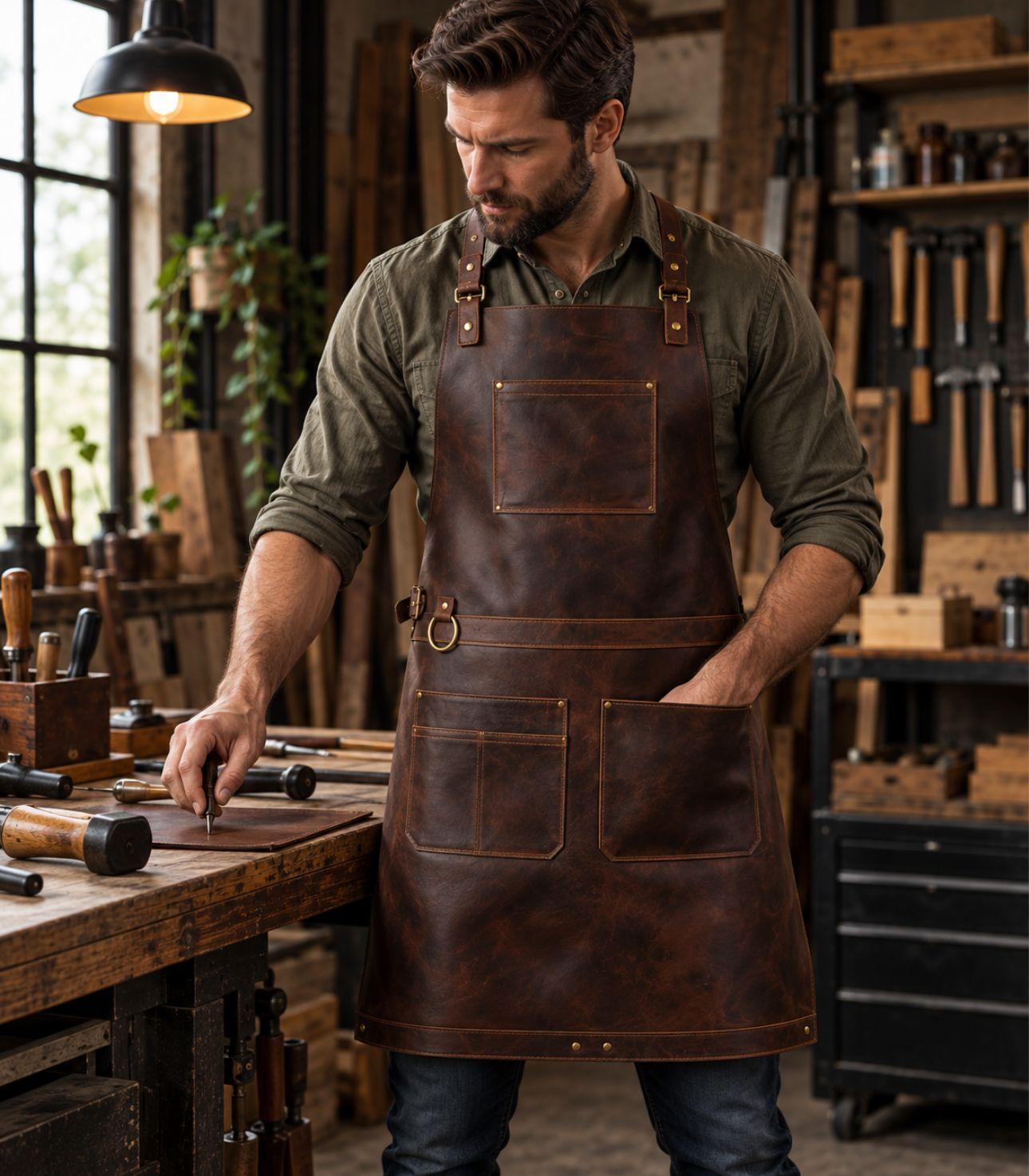
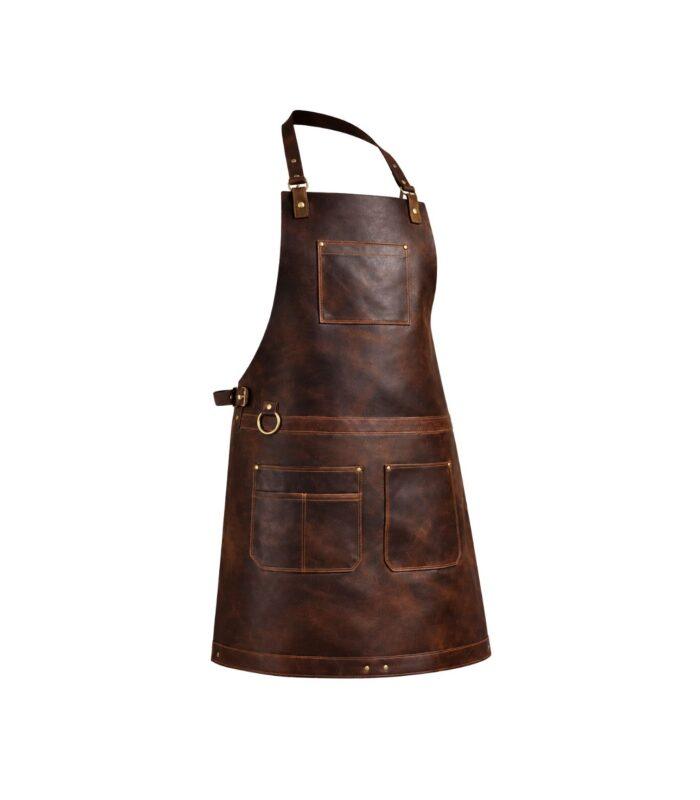
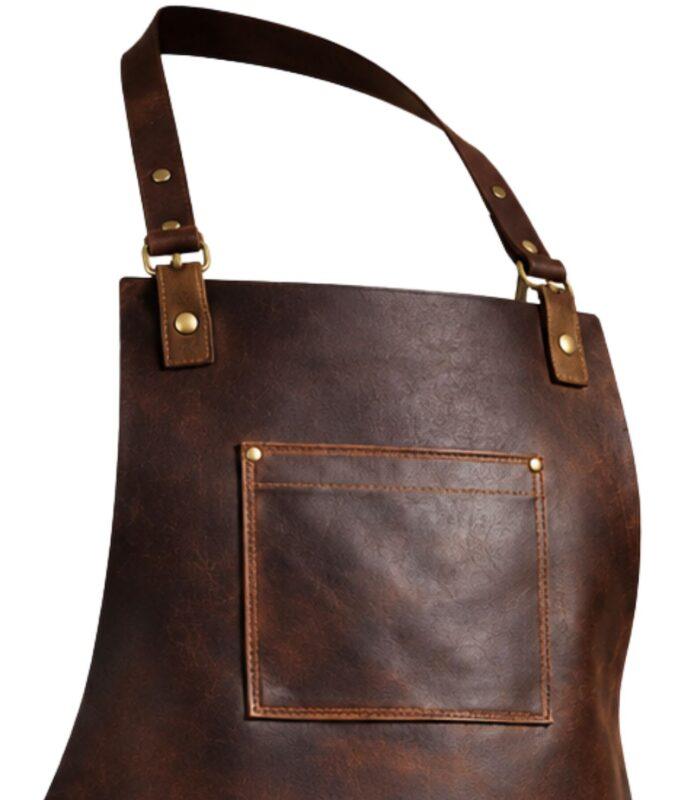
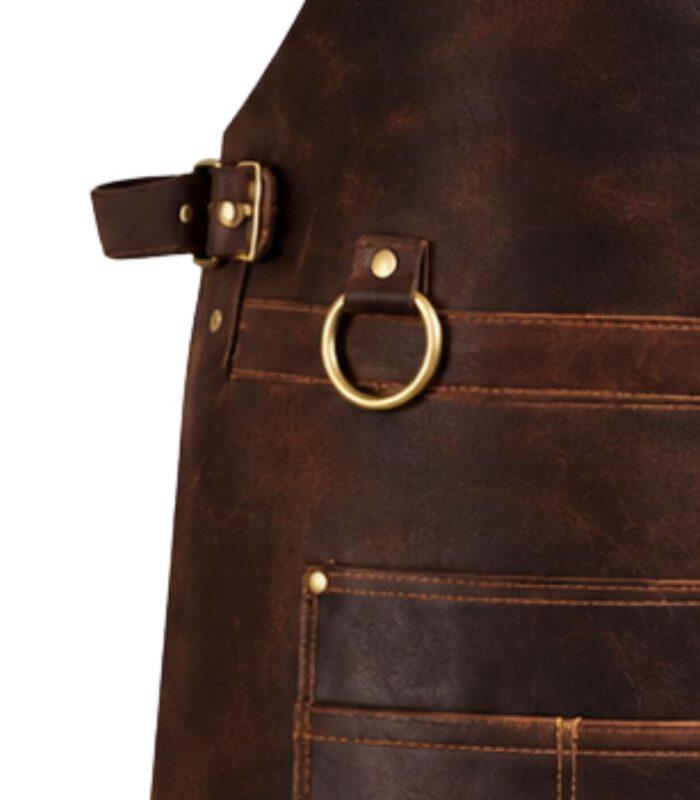
Best Leather Features for Butchering and Meat Work
Leather Type
Leather selection affects durability, flexibility, weight, and overall comfort. Full-grain leather is known for its strong surface and durability, while other leather grades may provide different combinations of flexibility and cost.
For meat work, choose a leather thickness that provides suitable coverage without making the apron unnecessarily heavy or difficult to move in.
Construction and Stitching
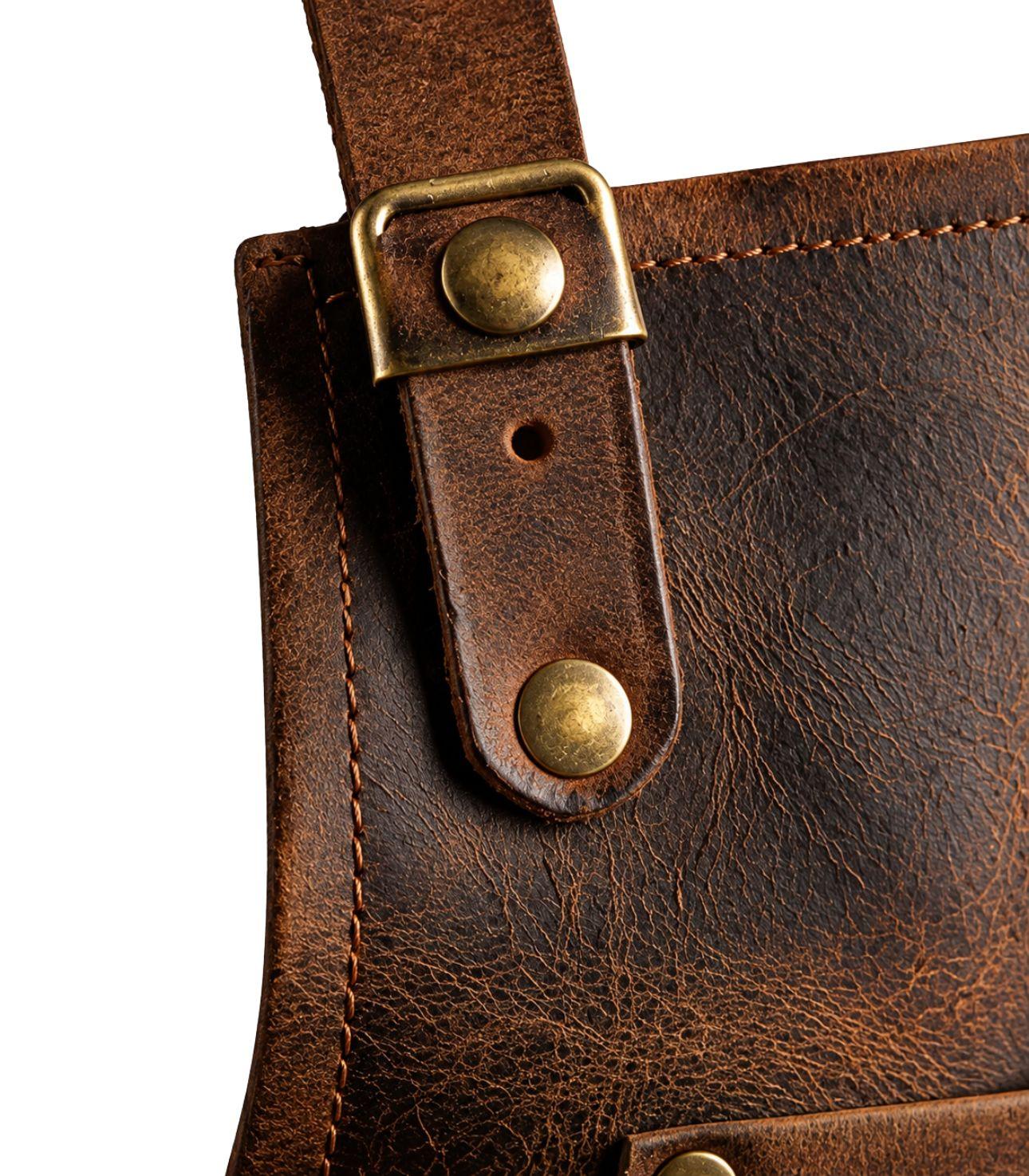
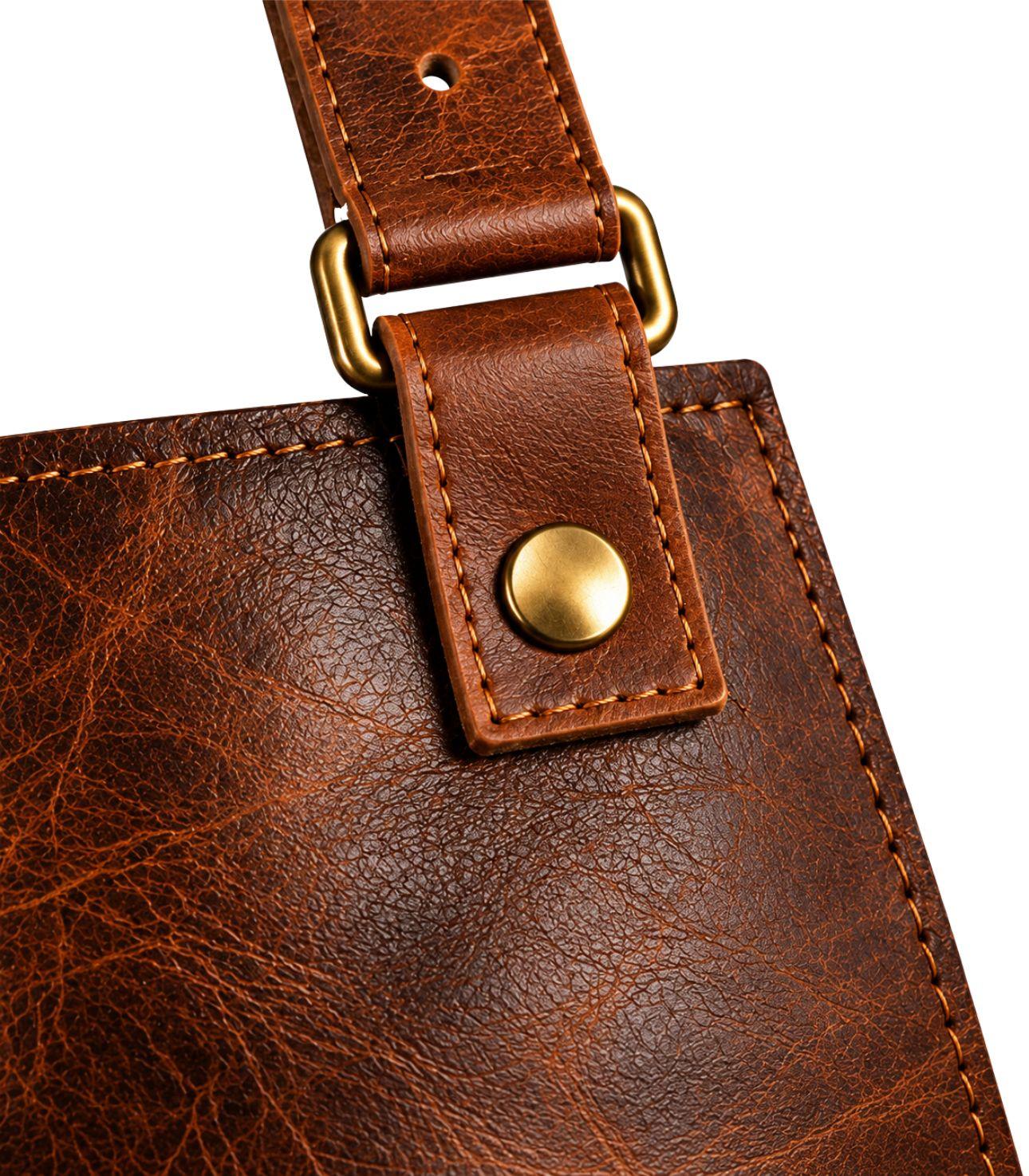
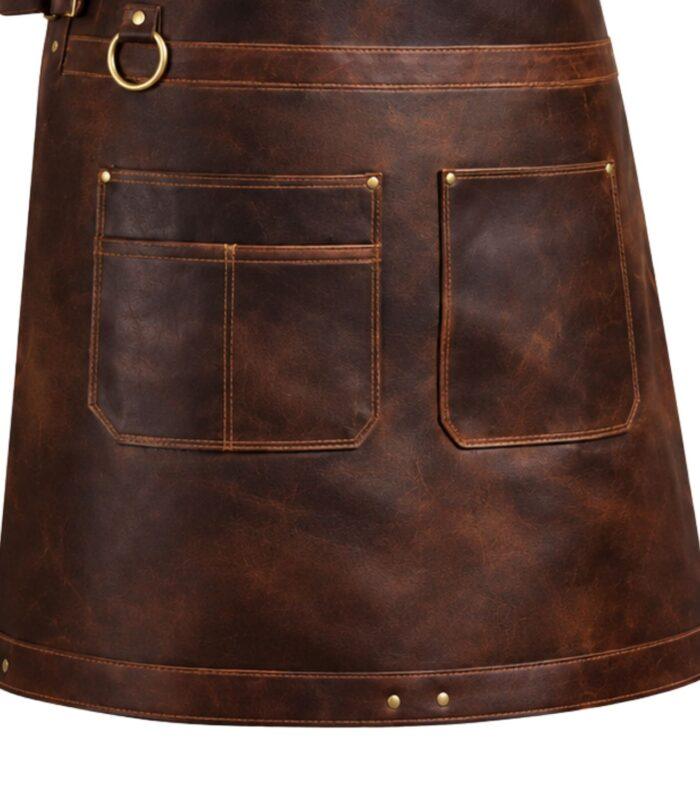
The quality of construction is just as important as the leather itself. Look for heavy-duty stitching and reinforced stress points around straps, pockets, and other areas that receive repeated tension.
Durable buckles, rivets, and other hardware can also improve the apron’s long-term performance.
Coverage and Fit
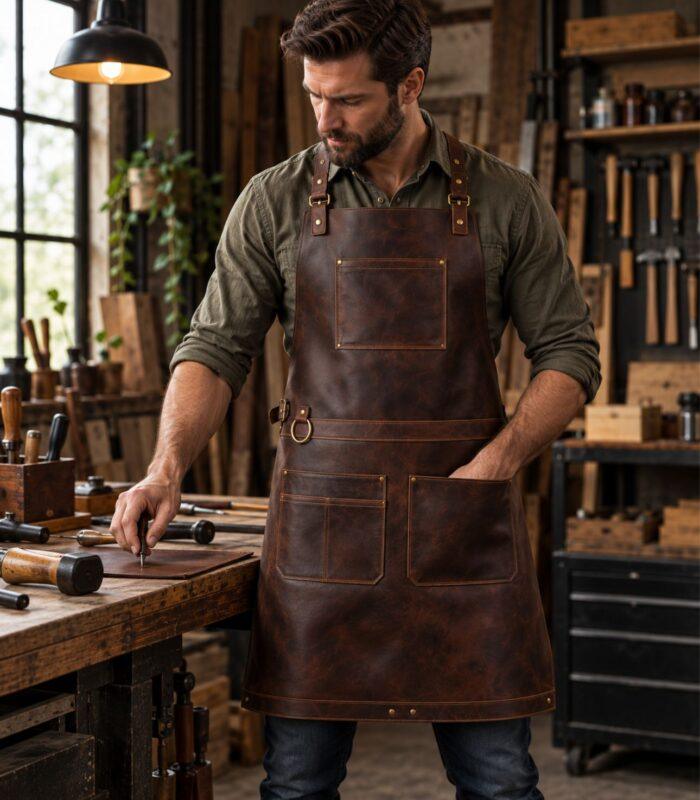
An apron should provide enough coverage for the tasks being performed. Extended or full-length designs can offer greater protection for the front of the body and upper legs.
Adjustable neck and waist straps help create a more secure fit, while a well-balanced design allows the wearer to bend, reach, and move comfortably during meat preparation.
Pockets and Practical Features
Pockets can be useful for storing small work accessories, but their placement matters. They should be easy to access without creating unnecessary bulk or interfering with movement.
For professional meat work, practical construction is generally more valuable than excessive features.
How to Choose the Right Leather Apron for Butchering
Start by considering the type of work the apron will be used for. A butcher handling large cuts may require more coverage and durability than someone performing lighter preparation tasks.
Next, evaluate the leather thickness, overall weight, stitching, straps, hardware, and fit. The best option should provide a practical balance between durability, coverage, and mobility.
Finally, consider maintenance. A leather apron used regularly around moisture and food residue needs proper cleaning and storage to help preserve the material.
How Should a Leather Butcher Apron Be Cleaned and Maintained?
Remove food residue and moisture as soon as practical and follow the manufacturer’s care instructions for the specific leather. Avoid soaking the apron or using harsh household chemicals that can damage the leather.
After cleaning, allow the apron to dry naturally away from direct heat. Where recommended for the leather type, occasional conditioning can help maintain flexibility and prevent excessive drying.
What Should You Look for in a Professional Butcher Apron?
A professional butcher apron should offer:
- Durable leather construction
- Strong stitching
- Reinforced stress points
- Adjustable straps
- Practical body coverage
- A manageable weight for extended use
- Straightforward maintenance
The most suitable apron is one that fits the user’s work routine rather than simply having the thickest leather or the largest number of features.
FAQs
Are leather aprons good for butchers?
Yes. Leather aprons can provide durable coverage and protection from general workplace wear, moisture, stains, and abrasion. They should be used alongside any task-specific protective equipment required for cutting work.
What type of leather is best for a butcher apron?
Full-grain leather is a common choice where durability is a priority. The best leather ultimately depends on the required thickness, flexibility, weight, work environment, and budget.
Are leather aprons suitable for meat processing?
They can be suitable for meat-processing tasks where durable protective coverage is useful. Buyers should also consider hygiene requirements, cleaning instructions, and any workplace safety standards that apply.
How thick should a leather butcher apron be?
There is no single ideal thickness. A suitable thickness should provide the required durability and coverage while remaining comfortable enough for the wearer to work and move freely.
How do you clean a leather butcher apron?
Follow the leather manufacturer’s care instructions. Remove residue promptly, avoid excessive water and harsh chemicals, and allow the apron to air-dry naturally away from direct heat.