



Choosing a high-quality leather gun case helps protect your firearm from scratches, dust, and everyday handling while providing a durable and practical carrying solution. However, not all cases offer the same level of protection or craftsmanship. Before buying, consider the leather quality, interior lining, stitching, hardware, fit, and intended use to ensure you choose a case that meets your needs.
What Makes a Leather Gun Case High-Quality?
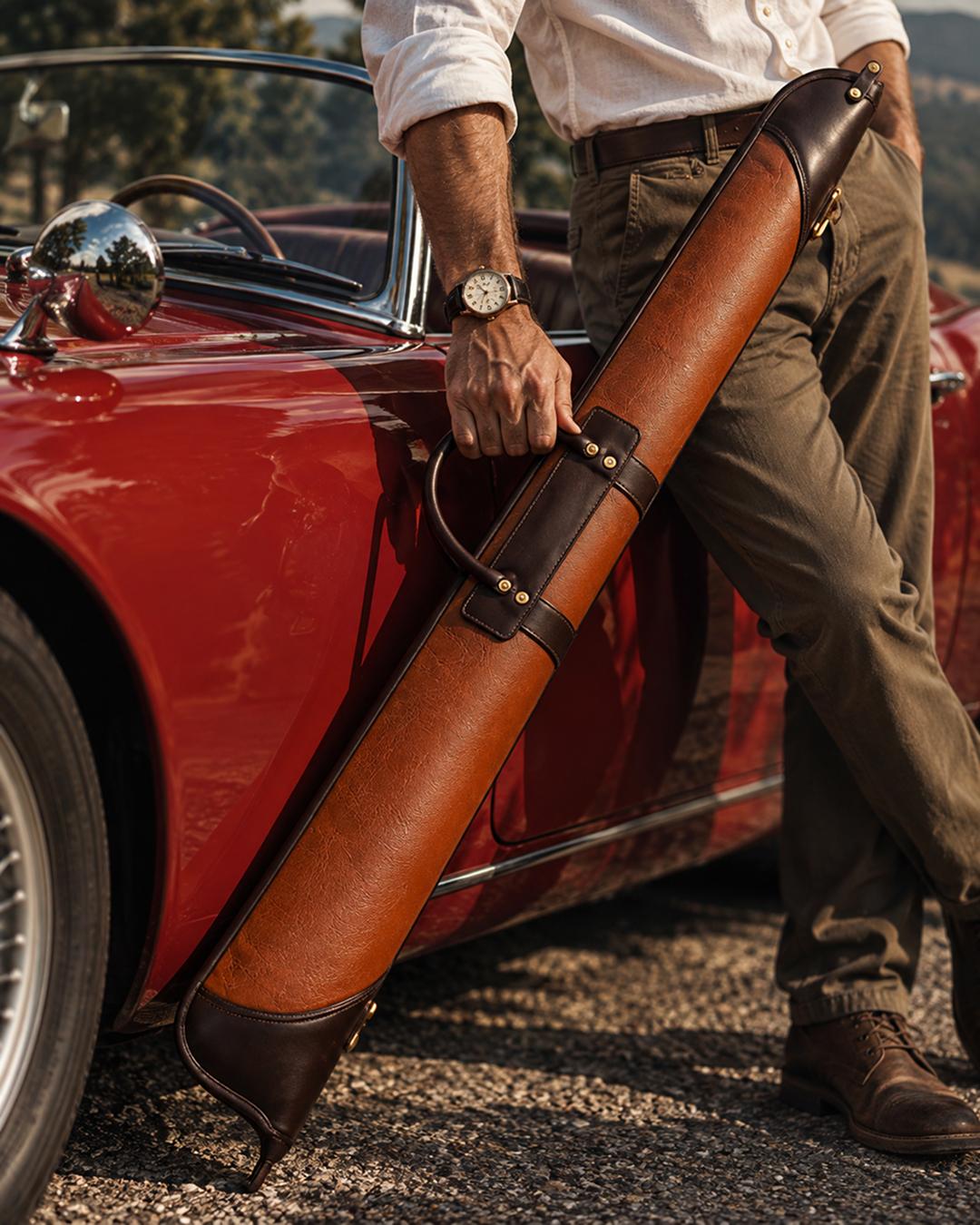
A high-quality leather gun case combines durable leather, strong stitching, protective interior materials, reliable hardware, and a proper fit. Quality craftsmanship also matters because reinforced seams, smooth edges, and secure closures contribute to long-term durability. The best choice depends on how you plan to carry, transport, or store your firearm.
7 Features to Look for in a High-Quality Leather Gun Case
1. Genuine Leather Quality and Thickness
Leather quality is one of the most important factors when choosing a gun case. Full-grain leather is often preferred for its natural strength, durability, and distinctive appearance. Top-grain leather can also provide a durable, refined finish.
Leather thickness should suit the case’s design and intended use. Thicker leather may offer greater structure, while flexible leather can make a case easier to handle. Look for consistent material quality without excessive cracking, weak areas, or poorly finished surfaces.
2. Protective Interior Lining and Padding
The interior should help prevent scratches, scuffs, and contact damage during normal handling. A soft lining reduces friction against the firearm’s surface, while suitable padding can provide additional cushioning against minor impacts.
Check that the lining is securely attached and free from rough seams or exposed edges. Remember that padding offers limited impact protection and does not make a leather case suitable for every transport or storage situation.
3. Strong Stitching and Reinforced Seams
Stitching directly affects the durability of a leather gun case. Even high-quality leather can fail if the seams are weak or poorly constructed.
Look for consistent stitching, secure thread, and reinforced areas around handles, straps, and closures. Pay particular attention to corners and other stress points. For more information on construction quality, see our guide to Leather Gun Case Stitching.
4. Reliable Zippers, Buckles, and Hardware
Zippers, buckles, snaps, and other hardware should operate smoothly and remain securely attached. Corrosion-resistant hardware is especially useful when the case may encounter changing environmental conditions.
Avoid closures that feel loose, jam easily, or place excessive stress on the leather. Reliable hardware improves everyday convenience and helps keep the case securely closed during handling.
5. Proper Fit and Interior Dimensions
A well-fitting case should accommodate the firearm’s dimensions and configuration without forcing it inside or allowing excessive movement. Check the manufacturer’s stated interior dimensions and confirm compatibility with any attached accessories.
A case that is too tight may strain the seams or closures, while excessive space can allow unnecessary movement. Always follow the manufacturer’s guidance for safe transport and storage.
6. Handle, Strap, and Carrying Comfort
A comfortable carrying design makes a leather gun case more practical for regular use. Look for securely attached handles, suitable shoulder straps where available, and reinforced attachment points.
The carrying system should feel stable under the intended load. Check the handle stitching and strap connections carefully, as these areas experience repeated stress during use.
7. Craftsmanship and Overall Finish
Good craftsmanship is visible in the details. Clean edges, uniform stitching, smooth finishing, and properly aligned panels indicate attention to manufacturing quality.
Inspect the leather for inconsistent coloring, excessive surface defects, and poorly finished edges. Natural marks can occur in genuine leather, so focus on material integrity and construction rather than expecting every hide to look identical.
How to Choose the Right Leather Gun Case for Your Needs
Different uses call for different features:
- Range transport: Prioritize a secure closure, suitable interior dimensions, and a protective lining.
- Hunting trips: Look for durable construction, comfortable carrying options, and leather care requirements suited to the expected conditions.
- Vehicle transport: Choose a case designed for the firearm’s dimensions and intended transport conditions. Avoid leaving firearms unsecured or unattended in vehicles.
- Long-term storage: Consider humidity control, ventilation, and the manufacturer’s storage recommendations. Leather can retain moisture, so a leather case alone may not provide adequate protection against corrosion.
Leather is not automatically waterproof or impact-proof. If you need protection against heavy rain, severe impacts, or demanding travel conditions, consider whether a purpose-built protective case would be more appropriate.
How to Check Leather Gun Case Quality Before Buying
Use this checklist to evaluate a case before making a purchase:
- Leather: Confirm the stated leather type, quality, and thickness.
- Stitching: Inspect seams, corners, and reinforced attachment points.
- Lining: Check the interior material and the level of cushioning provided.
- Hardware: Look for secure, smoothly operating closures and durable fittings.
- Dimensions: Compare the interior measurements with the manufacturer’s compatibility information.
- Product specifications: Review materials, construction details, and care instructions.
- Online purchase: Examine close-up product photos, read return terms, and check the manufacturer’s information.
For handmade products, consistent construction and clear material descriptions are particularly useful when evaluating overall quality.
Frequently Asked Questions
What is the best leather for a gun case?
Full-grain leather is a popular choice because of its strength, durability, and natural character. Top-grain leather can also be suitable, depending on its quality and construction. The best option depends on the case design, intended use, and maintenance requirements.
How thick should leather be for a gun case?
There is no single ideal thickness for every design. Thicker leather can provide more structure, while thinner leather may offer greater flexibility. Consider the case’s construction, intended use, and overall weight rather than judging quality by thickness alone.
Does a leather gun case protect against moisture?
Not necessarily. Leather may absorb moisture, and most leather cases are not fully waterproof. Keep the case dry, follow the manufacturer’s care instructions, and ensure the firearm is stored under appropriate humidity conditions to help prevent corrosion.
How long does a quality leather gun case last?
A well-made leather gun case can last for many years with proper care. Its lifespan depends on leather quality, stitching, hardware, frequency of use, and exposure to moisture or excessive heat. Regular inspection and suitable leather conditioning can help maintain its appearance and flexibility.
Is a padded leather gun case better than an unpadded one?
A padded case generally offers additional cushioning against minor impacts and surface contact. An unpadded case may be lighter and more flexible. Choose according to your transport needs, while remembering that padding does not replace a purpose-built hard case when greater impact protection is required.
Conclusion
A high-quality leather gun case should balance durable leather, protective lining, strong stitching, reliable hardware, proper fit, and careful craftsmanship. Evaluate these features alongside your intended use and the manufacturer’s specifications before purchasing. With appropriate care, a well-constructed case can remain functional and attractive for years. If your existing case has become worn, learning how to Restore Its Original Look may also help maintain its appearance, depending on the condition of the leather.
One thought on “What to Look for in a High-Quality Leather Gun Case”