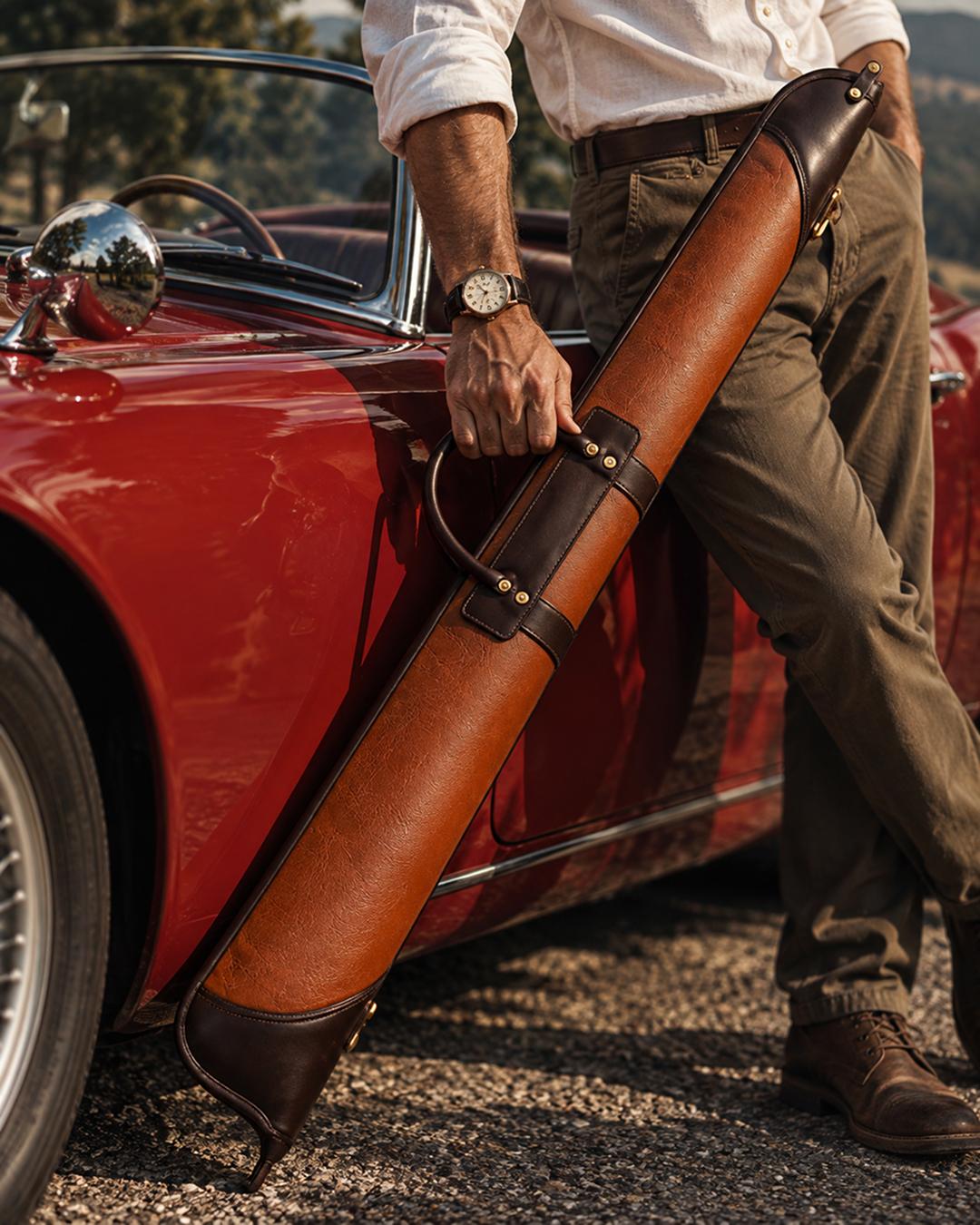

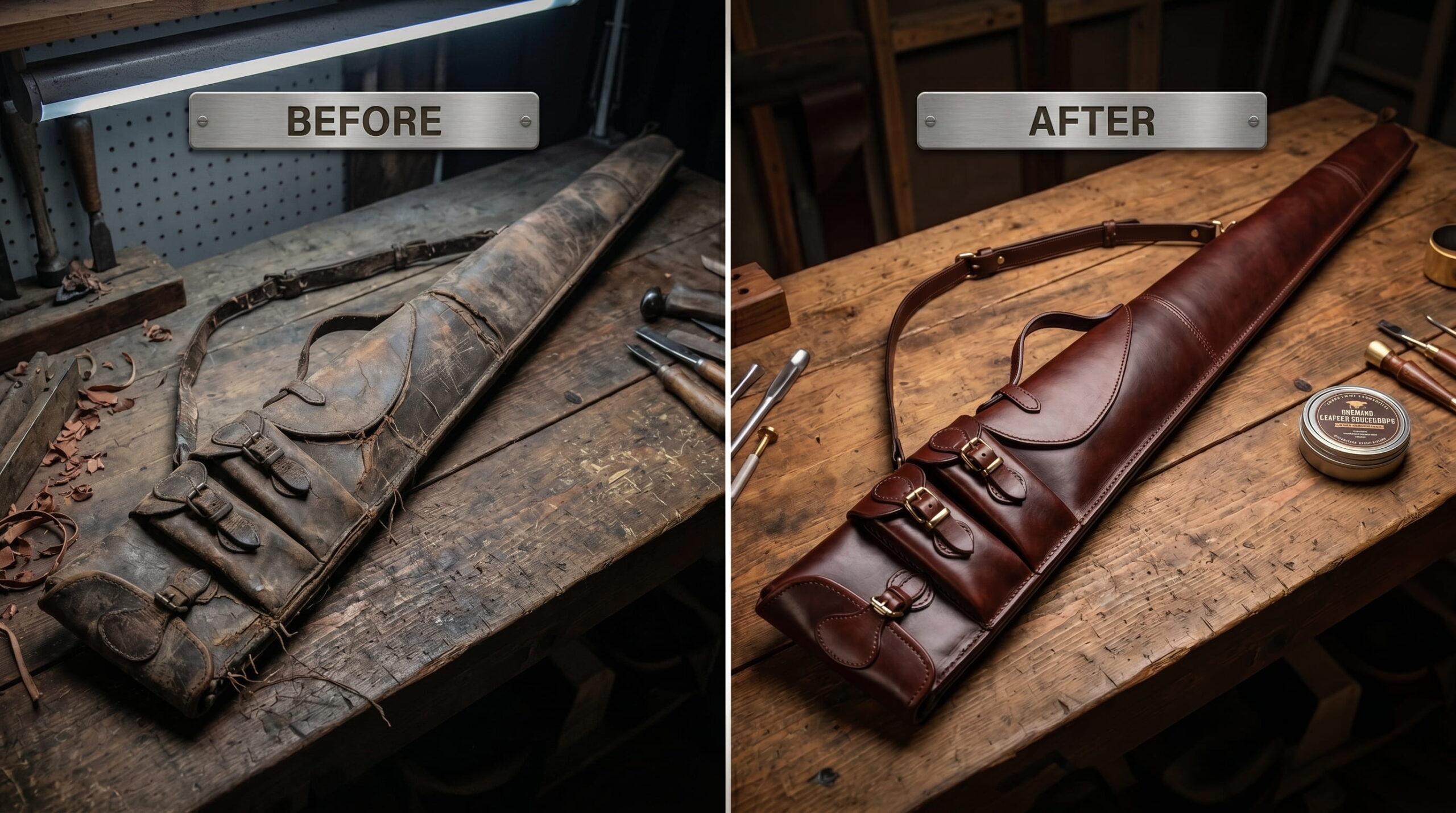

A leather gun case protects valuable equipment, reflects personal style, and often becomes a long-term investment passed down through generations. Over time, however, leather can develop scratches, loose stitching, cracked surfaces, and damaged hardware from regular use and exposure to moisture, sunlight, and dust.
The good news is that most leather gun cases, whether made by skilled craftsmen or by machines in bulk, can be repaired and restored without losing their original charm. With proper care and the right restoration techniques, an old or worn case can regain its strength, smooth finish, and classic appearance. And this is exactly what we are going to talk about in today’s guide.
8 Ways to Repair a Leather Gun Case and Restore It
Way 1: Clean the Leather Surface Before Any Repairs
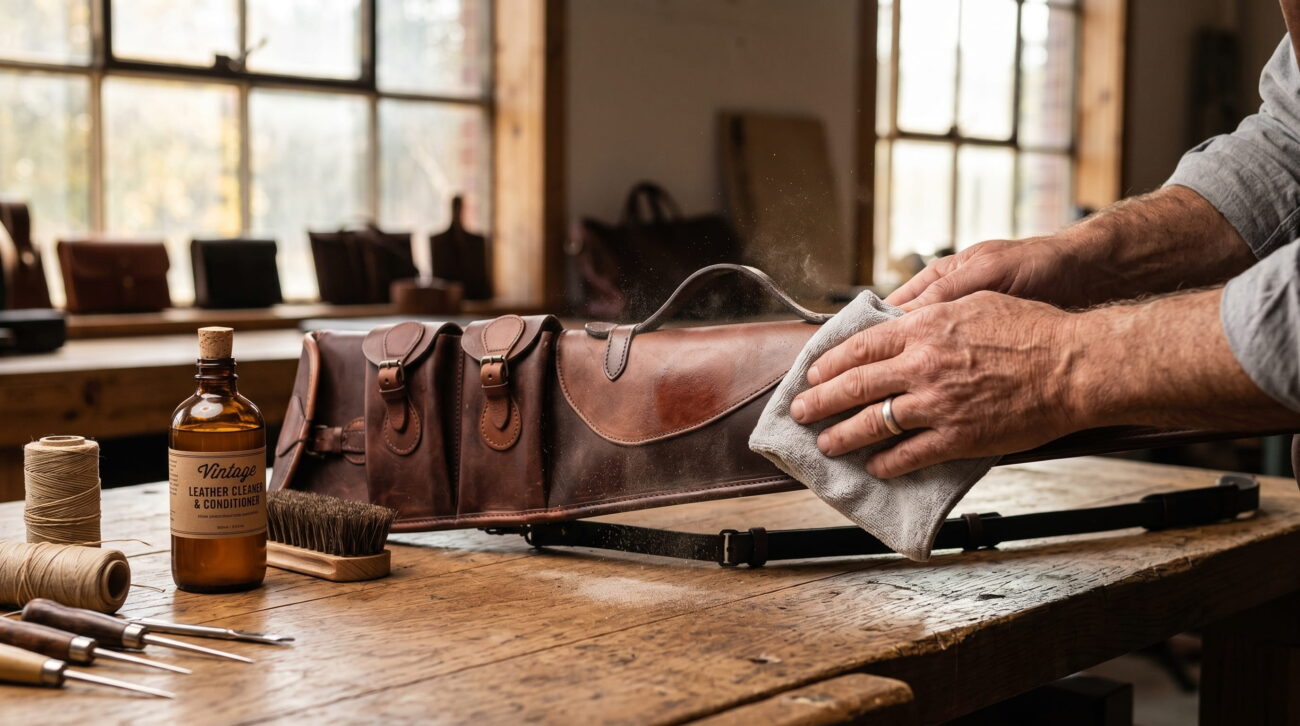
The first step in restoring a leather gun case is removing dirt, oils, and surface buildup. Dust and grime can hide damage and prevent repair products from working properly.
For that reason, use a soft microfiber cloth or soft-bristle brush to gently clean the exterior. Apply a leather-safe cleaner instead of household chemicals, as harsh cleaners can dry out or discolor the leather.
Work in small sections and avoid soaking the material with excessive moisture. Once cleaned, allow the case to air dry naturally away from direct heat or sunlight.
A properly cleaned leather surface makes it easier to identify scratches, cracks, loose stitching, and worn areas that require restoration.
Way 2: Repair Scratches and Scuffed Leather Carefully
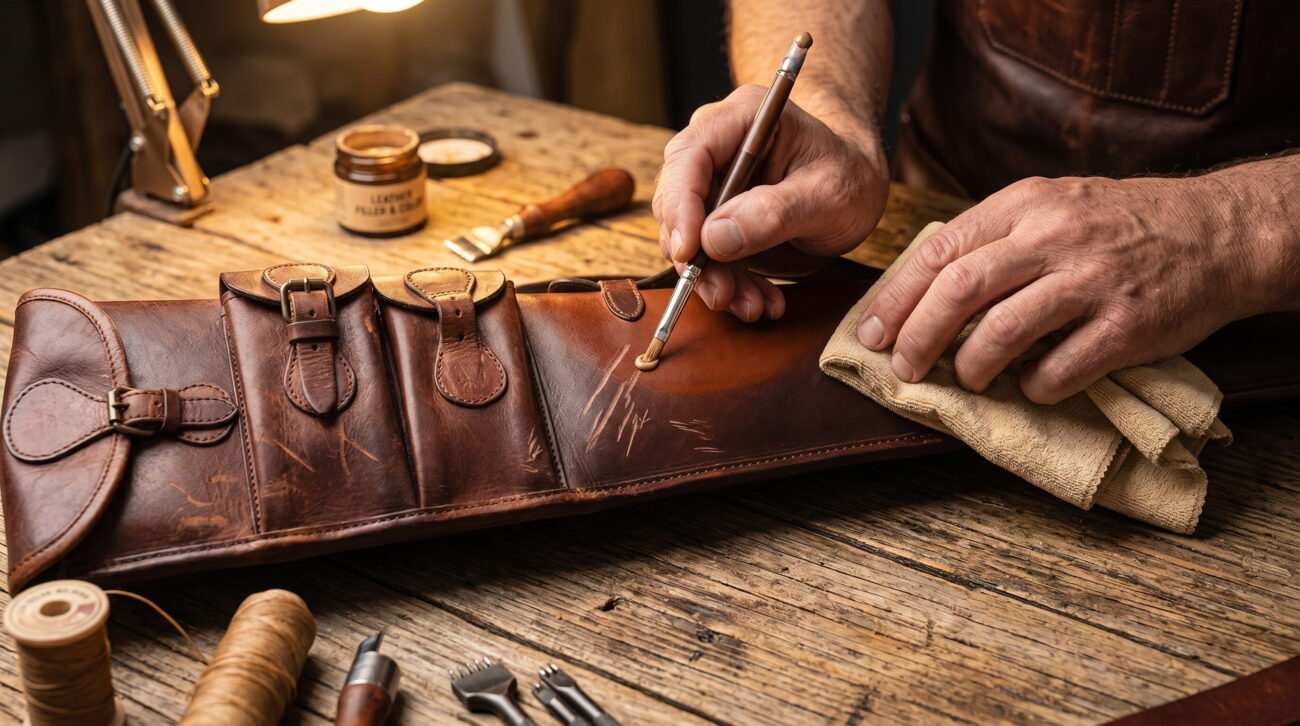
Minor scratches and scuffs are common on leather gun cases, especially after outdoor use. Small surface marks can often be repaired with leather conditioner or a leather restoration cream.
Apply a small amount with a soft cloth, then gently rub it into the damaged area in circular motions. For deeper scratches, use a leather repair balm that matches the original leather color.
Avoid over-applying products, as excess moisture can weaken leather fibers. After treatment, buff the area gently with a clean cloth to restore smoothness and shine.
Regular conditioning not only repairs visible marks but also helps maintain the leather’s flexibility and prevents future cracking caused by dryness and age.
Way 3: Fix Cracked or Dry Leather with Conditioning Treatments
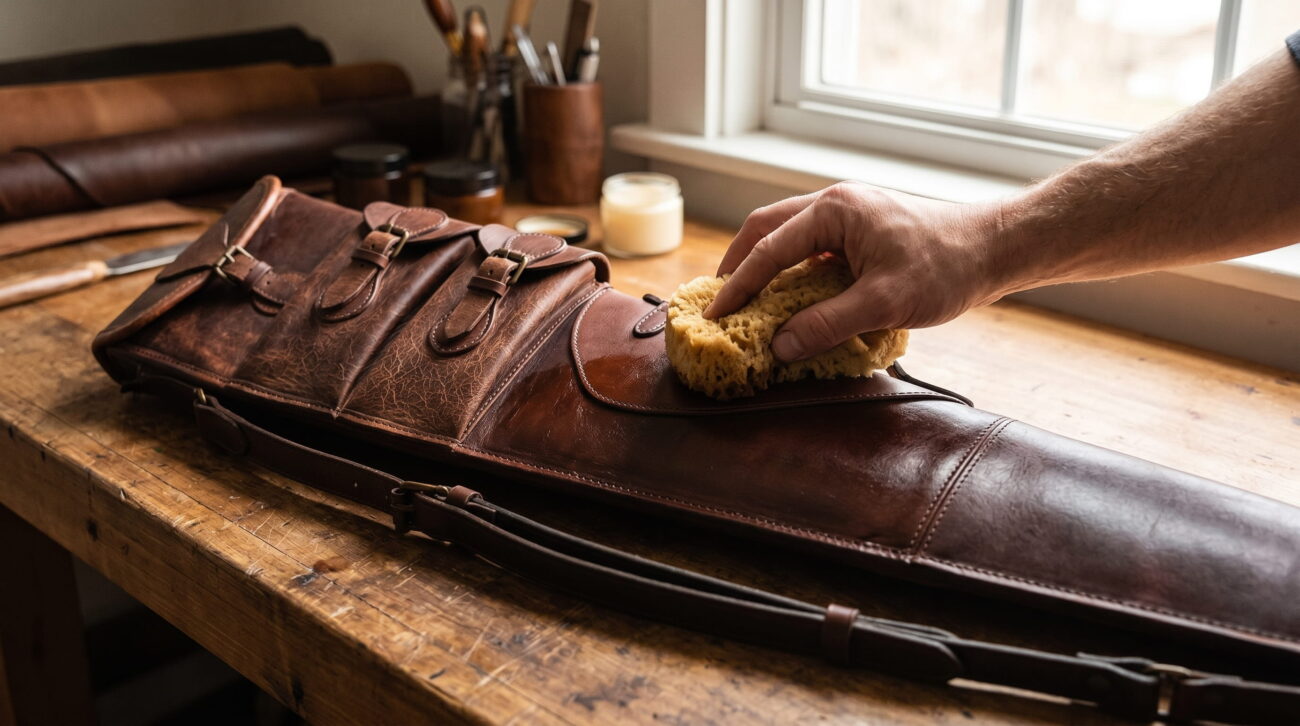
Dry, cracked leather is one of the most common issues in older gun cases. Leather naturally loses oils over time, especially when exposed to sunlight, heat, or low humidity.
To restore flexibility, apply a high-quality leather conditioner or natural leather oil in thin layers. Massage the product gently into the leather, allowing it to fully absorb before adding more.
Deep cracks may require repeated conditioning over several days. Avoid using petroleum-based products because they can damage the leather structure over time.
Proper conditioning softens stiff leather, reduces visible cracking, and restores the rich texture and appearance of the gun case.
Way 4: Repair Loose Stitching and Damaged Seams
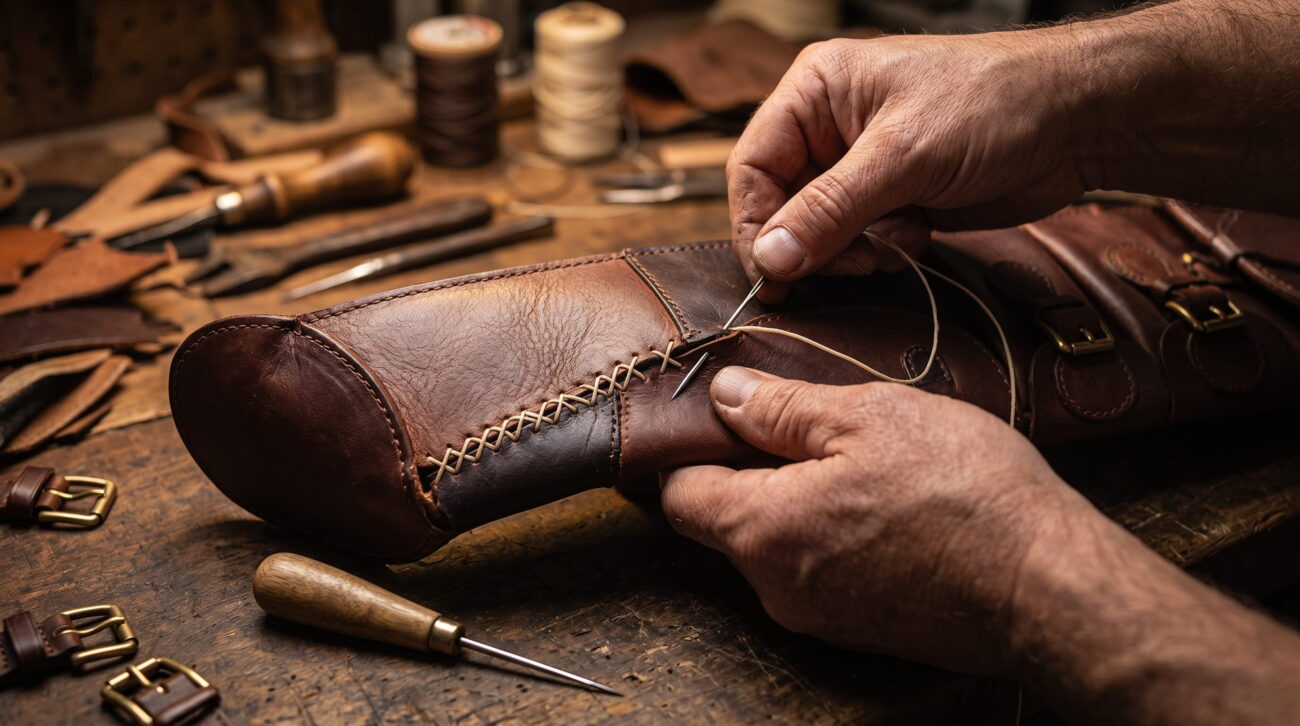
Strong stitching is essential for keeping a leather gun case secure and durable. Over time, seams may loosen, or threads may break due to heavy use or stress around handles and straps.
That’s why inspect all stitching carefully and repair damaged areas before they worsen. Thick waxed thread and leather stitching needles work best for manual repairs because they provide strength and durability.
Follow the original stitch pattern whenever possible to maintain the case’s appearance. If the seam damage is extensive, a professional leather craftsman may be the better option.
Way 5: Restore Faded Color with Leather Dye or Balm
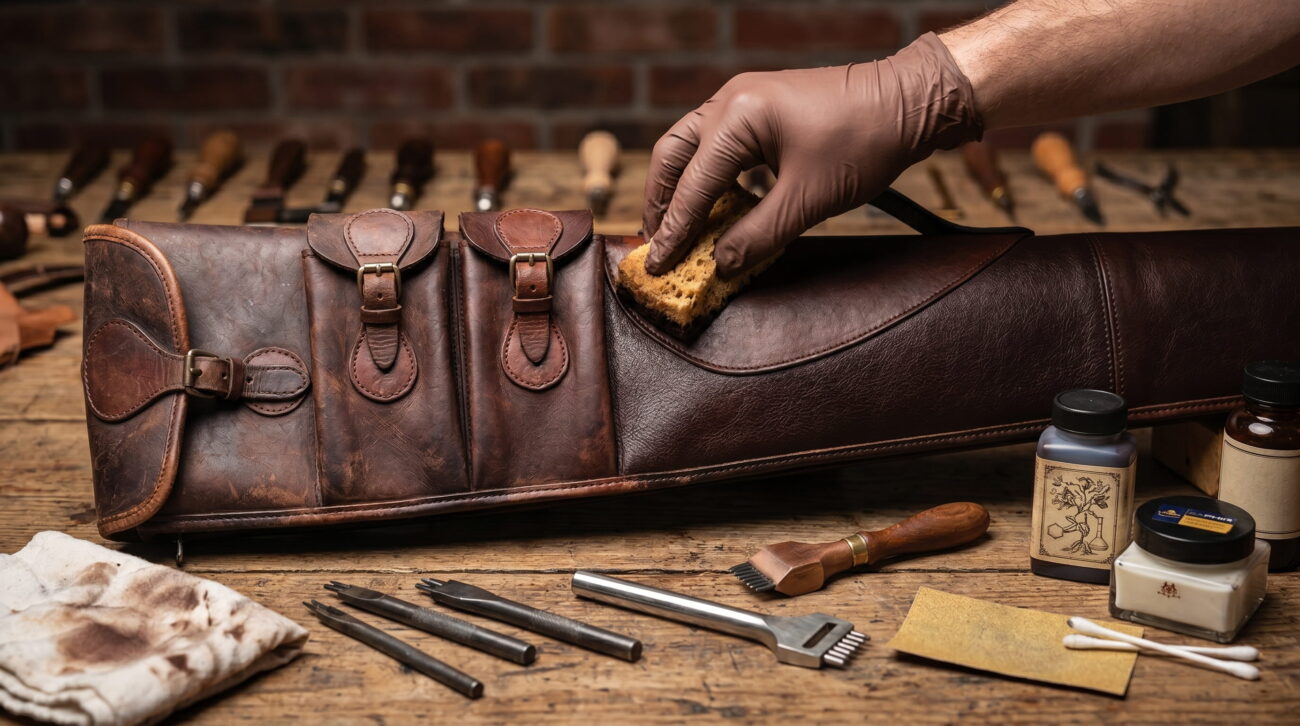
Years of exposure to sunlight and other outdoor conditions can cause leather gun cases to fade to their original color. Faded leather can often be restored using leather dye, color balm, or tinting cream that closely matches the original finish.
Before applying any coloring product, clean and condition the leather properly. Use a soft applicator sponge or cloth to apply thin, even layers instead of one heavy coat.
Allow the leather to dry fully between applications for the best results. Once restored, finish the surface with a leather sealant or conditioner to lock in the color and add protection.
Way 6: Replace Broken Hardware and Worn Accessories
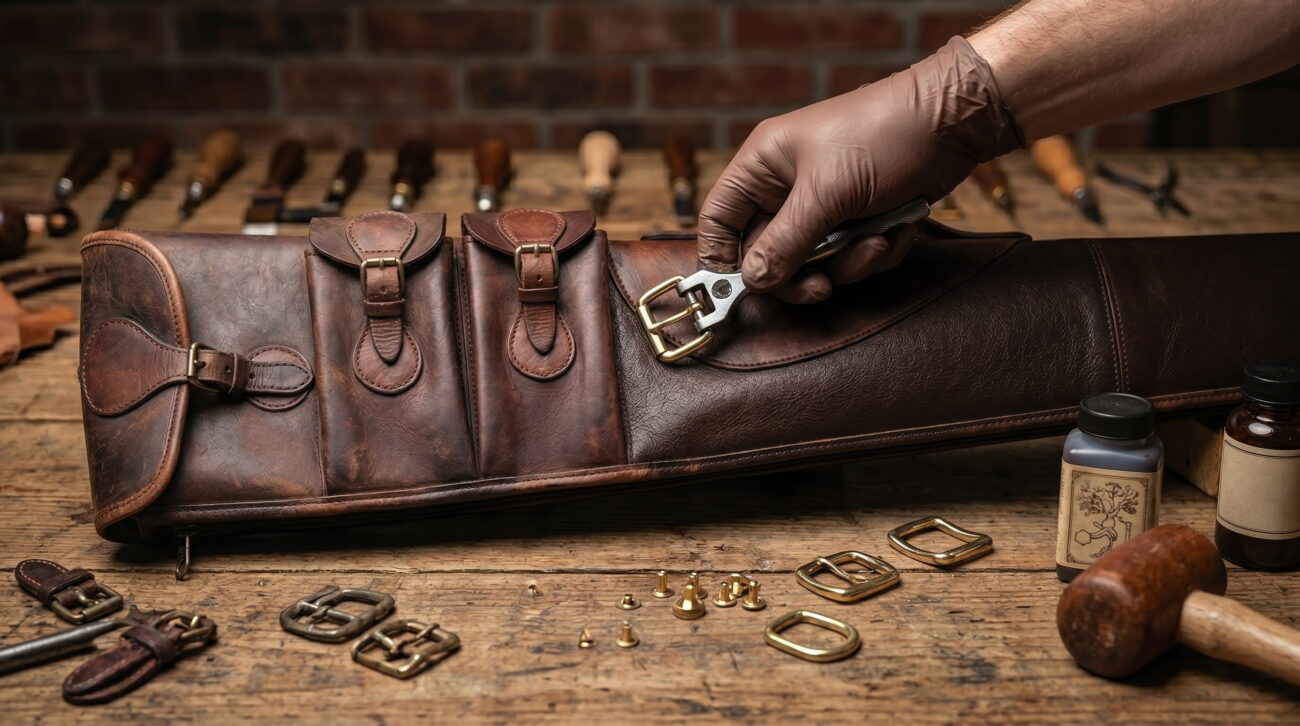
Buckles, zippers, snaps, and straps often wear out before the leather itself. Damaged hardware can reduce the functionality and safety of the gun case.
Replace rusted or broken metal parts with high-quality brass or stainless-steel hardware for durability and a premium appearance. Heavy-duty zippers and reinforced handles can also improve the case’s strength and usability.
When replacing parts, choose styles and finishes that closely match the original design to maintain the leather case’s classic look. Properly installed hardware not only restores functionality but also enhances the case’s overall appearance and lifespan.
Way 7: Remove Mold and Moisture Damage Safely
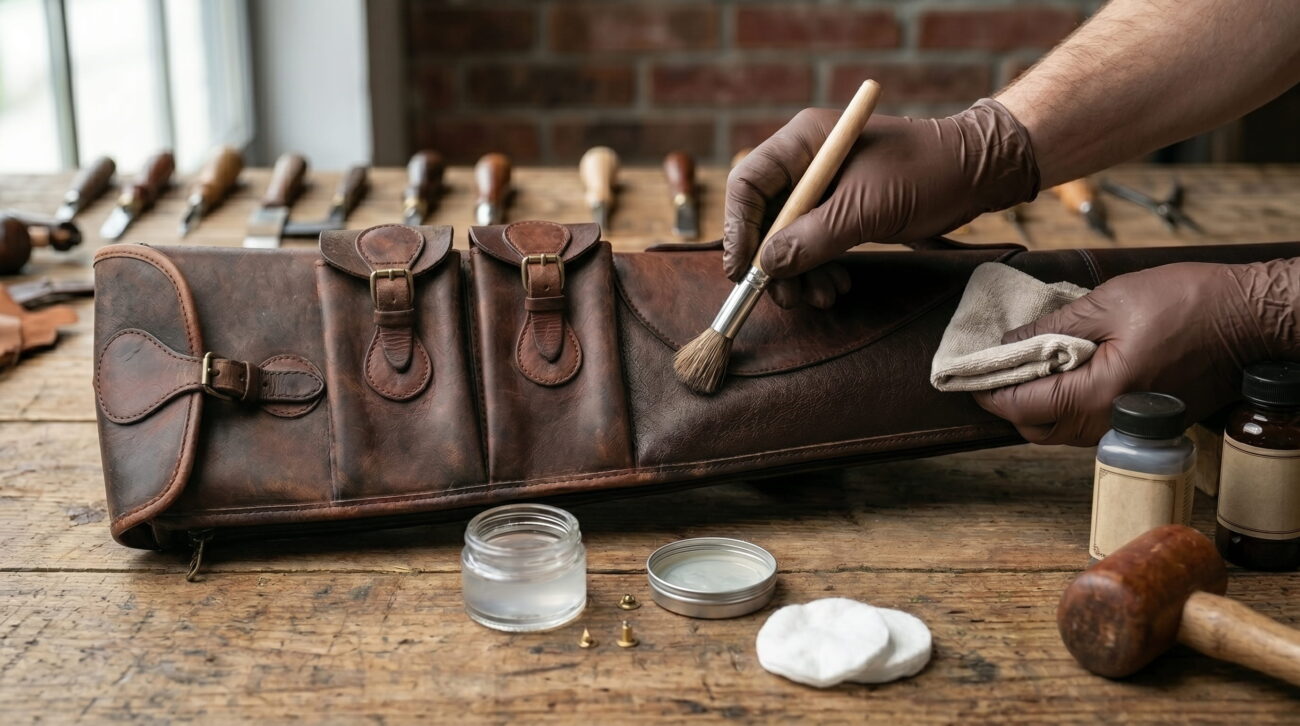
Leather gun cases stored in humid environments may develop mold, mildew, or moisture stains. Mold should be removed immediately to prevent permanent leather damage and unpleasant odors.
Begin by placing the case in a dry, well-ventilated area. Use a soft cloth lightly dampened with a mixture of water and white vinegar to gently clean affected areas.
Avoid soaking the leather because excess moisture can worsen the problem. After cleaning, allow the case to dry naturally before applying leather conditioner to restore lost moisture and softness.
To prevent future mold growth, store the case in a cool, dry place with proper airflow. Using silica gel packs or dehumidifiers can also help protect leather from humidity damage.
Way 8: Protect the Restored Leather with Proper Maintenance
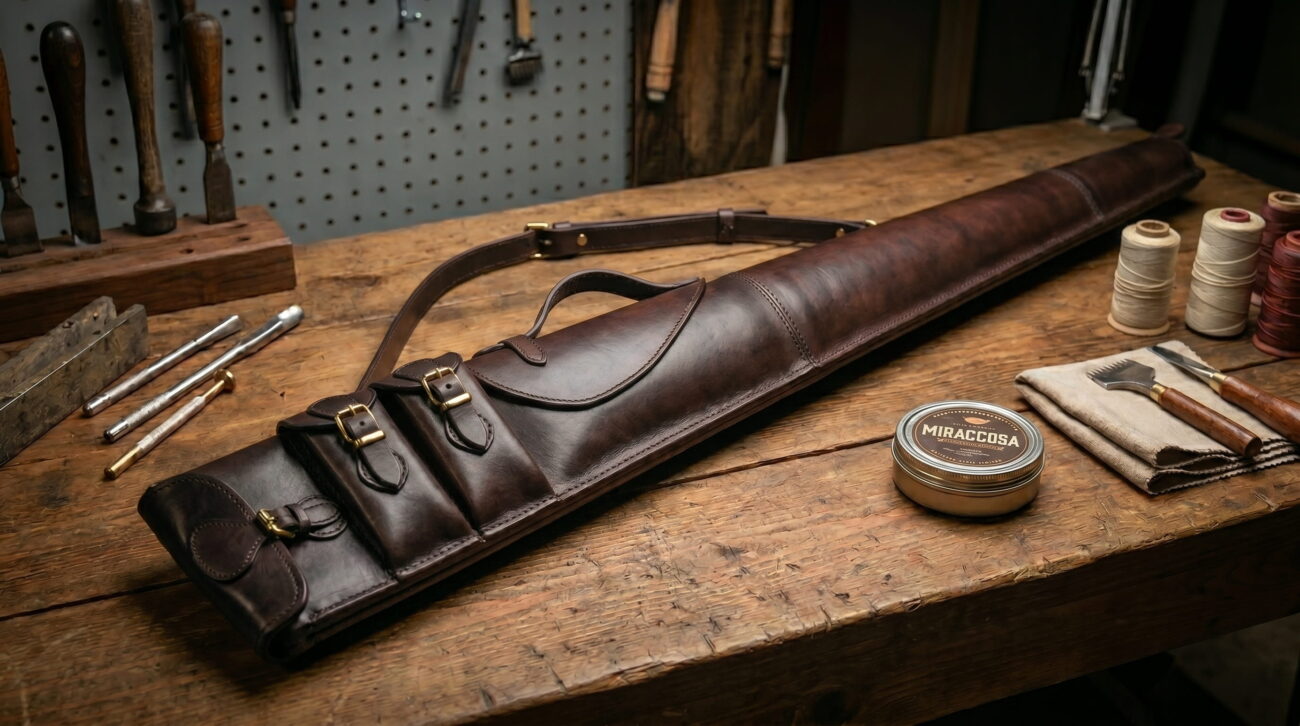
Once the leather gun case has been repaired, ongoing maintenance is essential to preserve its restored condition. Regularly wipe away dust and dirt using a soft cloth and condition the leather every few months to prevent drying and cracking.
Avoid storing the case in direct sunlight, damp basements, or extremely hot environments. Use a breathable dust cover instead of plastic, which can trap moisture and damage the leather over time.
If the case becomes wet, let it air dry naturally before storing it again. Proper storage and routine care help maintain the leather’s strength, flexibility, and appearance.
Conclusion
Repairing and restoring a leather gun case is an excellent way to preserve both its appearance and long-term functionality. With proper cleaning, conditioning, stitching repairs, color restoration, and hardware replacement, even an older case can regain its original beauty and strength.
Leather is a durable material that responds well to regular care, making restoration a worthwhile investment for gun owners who value craftsmanship and protection.
FAQ’s
1. Can cracked leather gun cases be repaired completely?
Yes, small and medium cracks can often be improved with leather conditioners, repair balms, and proper restoration techniques.
2. How often should I condition a leather gun case?
Conditioning every three to six months helps keep the leather soft, flexible, and protected from drying.
3. Is it safe to use household cleaners on leather gun cases?
No, harsh household cleaners can damage the leather. Always use leather-safe cleaning products.
4. Can faded leather color be restored?
Yes, leather dyes and color restoration balms can help restore faded or uneven leather surfaces.