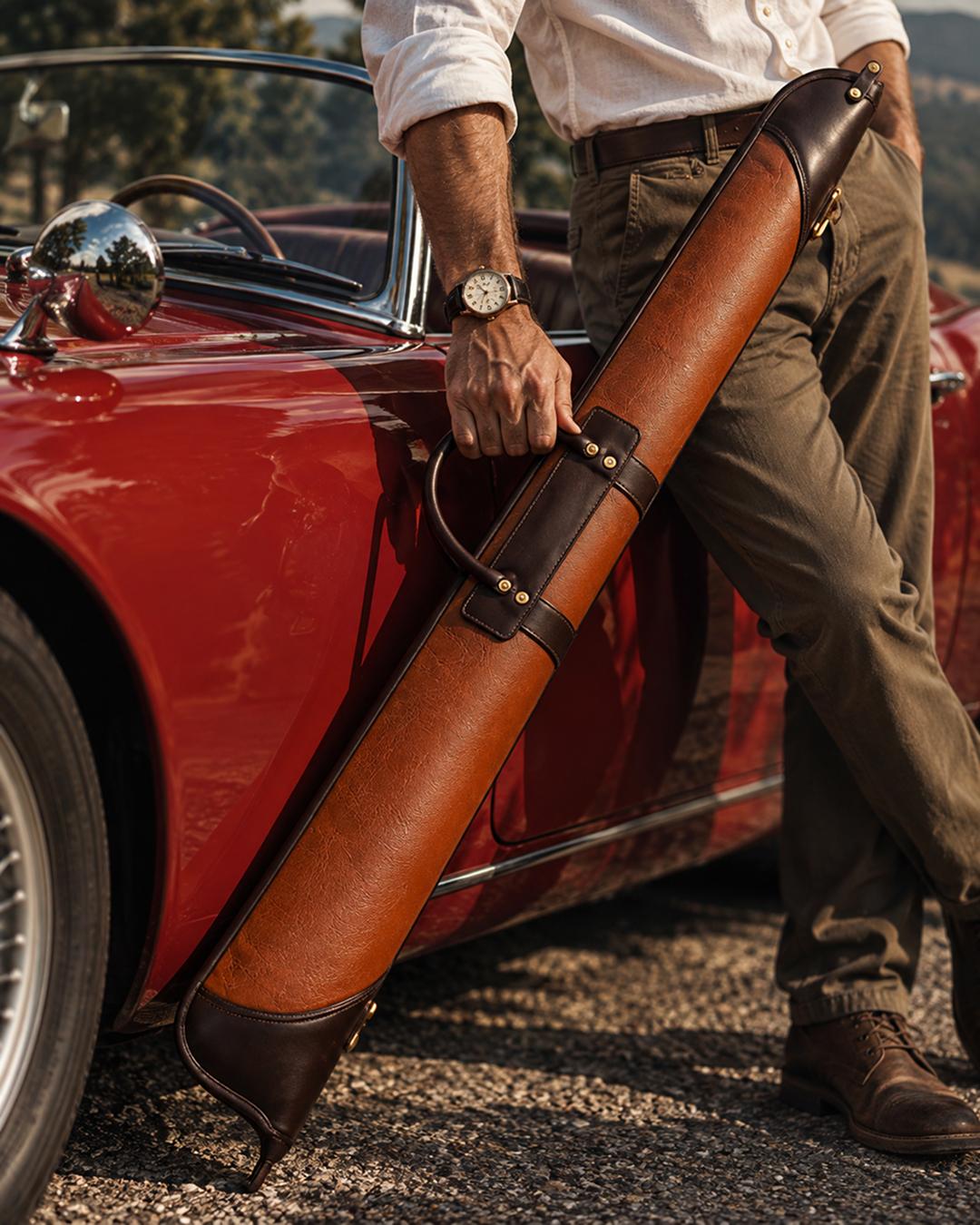



Choosing the right leather shotgun case is important for protecting your shotgun during storage and transportation. A well-constructed case should offer a suitable fit, durable materials, reliable closures, and an interior that helps prevent unnecessary scratches and surface damage.
However, not all shotgun cases are made the same. Differences in leather quality, padding, stitching, hardware, and carrying options can affect their overall performance and durability. Understanding these features before buying helps you select a leather shotgun case that meets your requirements.
What Should You Look for in a Leather Shotgun Case?
A suitable leather shotgun case should provide the correct dimensions, durable leather construction, a protective interior, quality stitching, and reliable closures. Buyers should also consider handle design, hardware, and customization options. The right choice depends on the shotgun’s measurements, intended use, and the level of protection required.
7 Important Factors to Consider When Choosing a Leather Shotgun Case
1. Shotgun Size and Case Dimensions
Size is one of the first things to consider when selecting a leather shotgun case. The case should accommodate the shotgun’s overall length without being unnecessarily tight or oversized.
Before purchasing, check the following:
- Overall length: Measure the shotgun according to the manufacturer’s fitting instructions, including any fixed components.
- Internal dimensions: Confirm the usable interior length and width rather than relying only on external measurements.
- Interior space: Allow appropriate clearance for the lining and any protective padding.
A properly fitted case makes handling easier and helps prevent unnecessary movement inside the case. Always compare the manufacturer’s stated compatibility with your shotgun’s actual dimensions.
2. Leather Quality and Material
Leather quality has a direct impact on a shotgun case’s appearance, durability, and long-term performance.
Common leather options include:
- Full-grain leather: Retains the natural grain surface and is valued for its durability and distinctive character.
- Top-grain leather: Has a more uniform surface and offers a refined appearance.
- Other leather grades: May provide more affordable alternatives, depending on their construction and processing.
Leather thickness also matters. A suitable material should maintain its shape and withstand regular handling without becoming unnecessarily stiff or heavy.
When comparing products, ask about the leather grade, thickness, finish, and material consistency rather than relying on appearance alone.
3. Interior Lining and Padding
The interior construction is just as important as the exterior leather. A quality lining helps reduce direct surface contact, while appropriate padding provides an additional layer between the shotgun and the outer case.
Consider these features:
- Soft lining: Helps minimize scratches and surface abrasion.
- Protective padding: Provides cushioning against minor impacts and handling during transportation.
- Interior finishing: Smooth, consistent stitching and properly secured lining improve overall construction.
Remember that padding thickness alone does not determine protection. Its material, placement, and overall construction also matter.
4. Stitching and Overall Construction
Strong construction helps a leather shotgun case maintain its shape and withstand regular use.
Pay attention to the following details:
- Stitching quality: Look for consistent, secure stitching without loose threads.
- Reinforced areas: Handles, strap attachments, and other stress points should be appropriately reinforced.
- Seams: Properly finished seams help maintain the case’s structure.
- Edge finishing: Clean edges contribute to a more refined appearance and consistent construction.
A case may use premium leather but still have poor durability if its stitching and assembly are inadequate. Evaluate the complete construction before making a decision.
5. Zippers, Buckles, and Hardware
Hardware plays an important role in the usability and overall quality of a leather shotgun case.
Check the quality of its zippers, buckles, rivets, and other metal fittings. These components should be securely installed, easy to operate, and appropriate for the case’s construction.
Important considerations include:
- Smooth zipper operation without catching.
- Securely attached buckles and fasteners.
- Durable metal fittings.
- Consistent hardware finishing.
Poor-quality hardware can affect everyday usability, even when the leather exterior is well made.
6. Carrying Style and Handle Design
Carrying comfort is another important consideration, particularly if the case will be transported regularly.
Different leather shotgun cases may feature:
- Fixed handles: Suitable for straightforward hand carrying.
- Shoulder straps: Provide an alternative carrying option.
- Detachable straps: Allow users to adjust the carrying configuration.
Examine the handle construction and attachment points carefully. Reinforced connections and comfortable handle placement can improve handling.
The overall weight of the case should also be considered, as thicker leather, hardware, and additional padding can make a finished product heavier.
7. Design, Finish, and Customization
Leather shotgun cases are available in different designs, colors, and finishes. Some feature traditional styling, while others have a more modern appearance.
Popular options include black, brown, distressed brown, and two-tone leather finishes.
Depending on the manufacturer, customization may include:
- Different leather colors and finishes.
- Custom case dimensions.
- Alternative hardware options.
- Personalized details.
- Different handle and strap configurations.
Before ordering a customized case, confirm the available specifications and request a sample or detailed product photographs when possible.
Leather Shotgun Case vs. Fabric Shotgun Case: Which Should You Choose?
Leather and fabric shotgun cases offer different advantages. The right option depends on material preference, construction quality, maintenance requirements, and intended use.
| Feature | Leather Shotgun Case | Fabric Shotgun Case |
| Appearance | Classic, premium appearance | Practical, casual appearance |
| Material feel | Firm and substantial | Generally lightweight |
| Durability | Depends on leather and construction | Depends on fabric and construction |
| Maintenance | Requires appropriate leather care | Depends on fabric type |
| Customization | Various leather colors and finishes | Varies by manufacturer |
Leather cases appeal to buyers who prefer traditional styling, substantial materials, and different leather finishing options. Fabric cases may appeal to those prioritizing lightweight construction and simpler maintenance.
However, material alone does not determine protection. Interior padding, construction, closures, and overall design are equally important when evaluating either option.
Common Mistakes to Avoid When Buying a Leather Shotgun Case
Before purchasing, avoid these common mistakes:
- Choosing based only on external dimensions: Always verify the usable internal measurements.
- Ignoring interior construction: Check the lining and padding rather than focusing entirely on exterior leather.
- Overlooking stitching and hardware: Weak seams or poorly installed fittings can affect durability.
- Prioritizing appearance over construction: Premium-looking leather does not automatically indicate high manufacturing quality.
- Assuming every leather case offers equal protection: Compare the actual materials, padding, and construction specifications.
Taking time to evaluate these details can help you make a more informed purchasing decision.
Frequently Asked Questions About Leather Shotgun Cases
What is the best leather for a shotgun case?
Full-grain leather is a popular premium choice because it retains the natural grain surface and offers good durability. Top-grain leather is another option for buyers who prefer a more uniform appearance. The best choice depends on material thickness, construction quality, finishing, and budget.
How do I choose the correct shotgun case size?
Start by checking your shotgun’s overall length and comparing it with the manufacturer’s stated compatibility and internal case dimensions. Do not rely exclusively on external measurements. Also consider the interior lining and padding, as these affect the available usable space inside the case.
Are leather shotgun cases durable?
Leather shotgun cases can be durable when manufactured using quality materials and proper construction techniques. Full-grain leather, reinforced stitching, securely attached hardware, and well-finished seams can contribute to longevity. However, durability also depends on maintenance, storage conditions, and the quality of the complete product.
Do leather shotgun cases need interior padding?
Interior padding is an important feature because it provides cushioning and helps reduce direct contact between the shotgun and the case exterior. A soft lining also helps minimize surface abrasion. Buyers should check the padding material, placement, and overall interior construction before purchasing.
What is the difference between a shotgun case and a shotgun slip?
A shotgun case is a general term for a protective carrying enclosure, while a shotgun slip typically refers to a streamlined, often padded cover designed around the firearm’s shape. Their construction and features vary by manufacturer, so buyers should compare dimensions, padding, closures, and intended storage requirements.
How should you maintain a leather shotgun case?
Clean the exterior with a soft, dry or slightly damp cloth, following the leather manufacturer’s care instructions. Use a suitable leather conditioner when recommended, and avoid excessive moisture, direct heat, and prolonged sunlight. Store the case in a cool, dry, ventilated location and allow it to dry naturally if it becomes damp.
Final Thoughts: Choosing a Leather Shotgun Case That Meets Your Needs
Choosing the right leather shotgun case involves more than selecting an attractive design. Proper dimensions, leather quality, interior padding, stitching, hardware, and carrying comfort all contribute to the overall product quality.
Take time to compare manufacturers, review product specifications, and evaluate construction details before purchasing. If you are exploring different options, check out our guide to 10 Best Shotgun Cases for additional product comparisons.
You can also explore our High-Quality Leather Gun Case guide to understand the features that distinguish well-constructed leather cases from standard alternatives.
Ultimately, the right leather shotgun case should combine suitable dimensions, reliable construction, practical functionality, and quality materials to meet your requirements.