

If chosen right, a high-quality leather knife roll can protect valuable chef knives, keep tools organized, and withstand years of daily use. However, even the best knife roll can suffer premature wear if it is not used and maintained correctly.
Many owners focus on protecting their knives but overlook the habits that slowly damage the roll itself. Over time, small mistakes can lead to stretched pockets, weakened stitching, cracked leather, and reduced durability.
The good news is that most knife roll damage is completely preventable. Understanding what causes wear and taking a few simple precautions can significantly extend the life of your investment. And in this guide, we’re going to talk about exactly that.
Mistake 1: Storing Wet Knives Inside the Roll
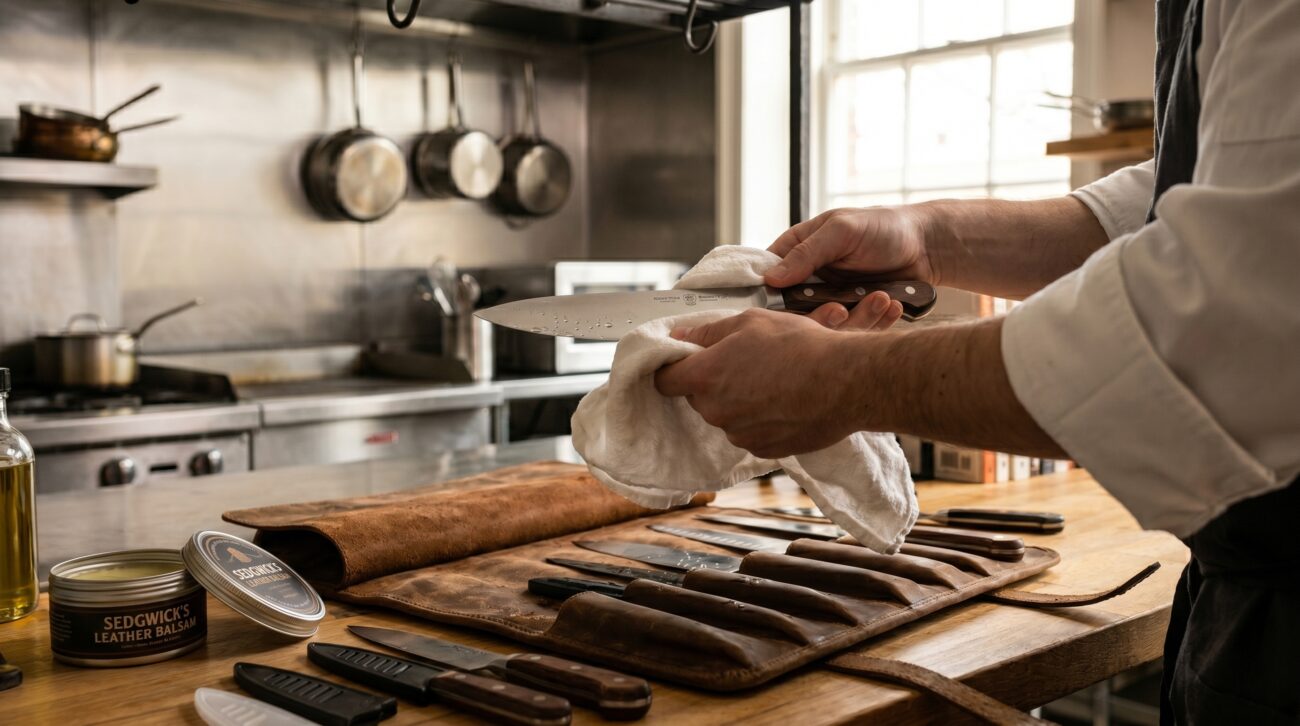
One of the most damaging habits is placing damp knives directly into a leather knife roll. Moisture trapped inside the compartments can gradually soak into the leather, creating conditions that lead to staining and material deterioration.
It can also encourage mold and mildew growth, especially if the roll remains closed for extended periods. Beyond harming the leather, moisture can transfer back onto your knives and contribute to corrosion over time.
Professional chefs always make it a habit to thoroughly wash, dry, and inspect their knives before storing them. Taking a few extra seconds to ensure blades are completely dry helps preserve both the knife roll and the valuable tools inside it.
Mistake 2: Overloading the Knife Roll Beyond Capacity
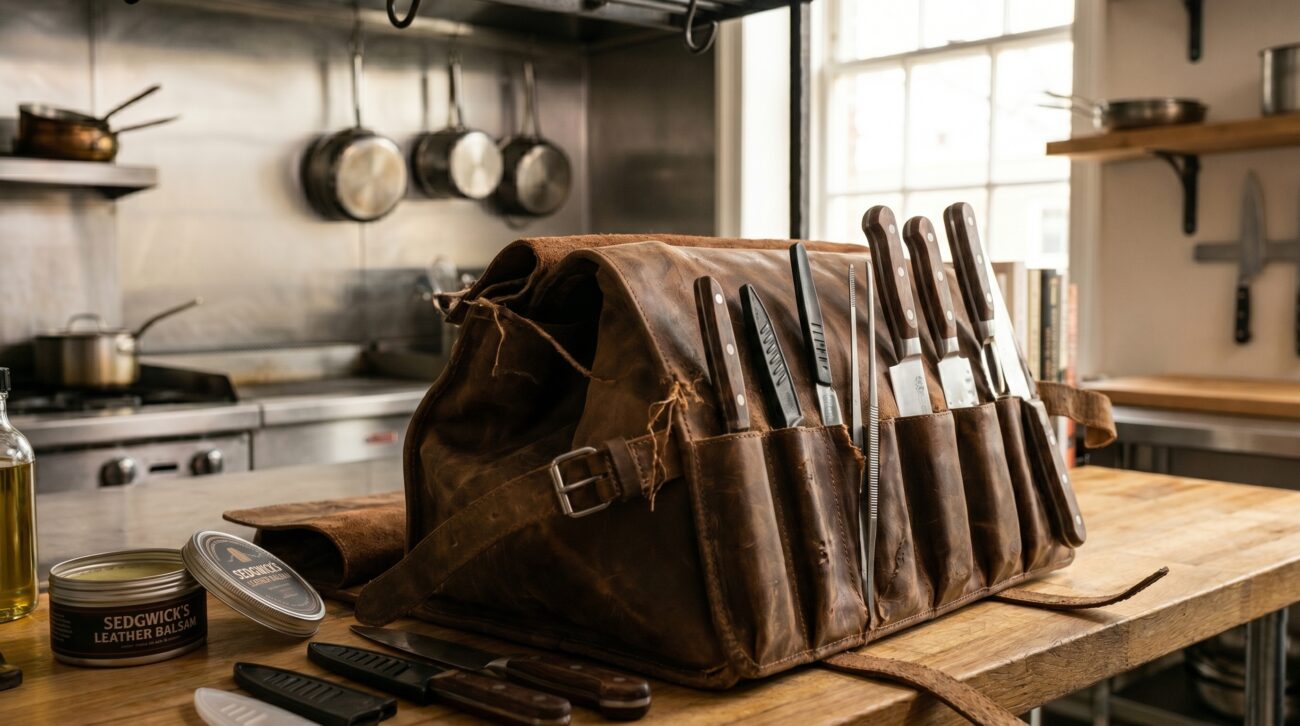
Every knife roll is designed with a specific carrying capacity in mind. When you attempt to squeeze in extra knives, sharpeners, utensils, or other tools beyond the intended limit, excessive strain is placed on the leather and stitching.
Overloading can stretch pockets, deform the roll’s shape, and weaken critical stress points. A tightly packed knife roll also increases friction between tools, raising the risk of scratches and damage to knife handles. Proper organization can help prevent overcrowding and distribute weight more evenly throughout the roll.
Additionally, carrying excessive weight places unnecessary pressure on straps, buckles, and handles. To maximize longevity, only carry the tools the roll was designed to accommodate and avoid treating it as a general storage bag.
Mistake 3: Ignoring Regular Leather Conditioning
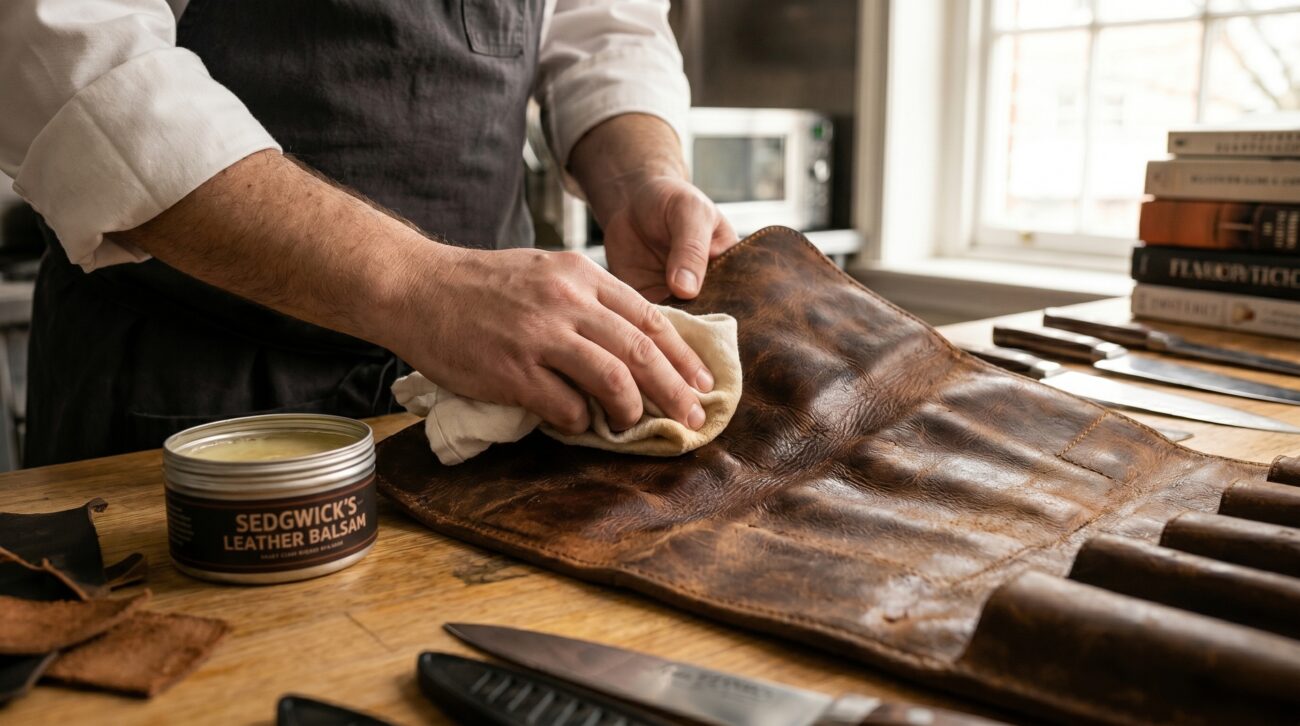
Leather is a natural material that requires periodic care to maintain its strength and flexibility. Many owners assume a knife roll can be used indefinitely without maintenance, but neglecting conditioning allows the leather to gradually dry out.
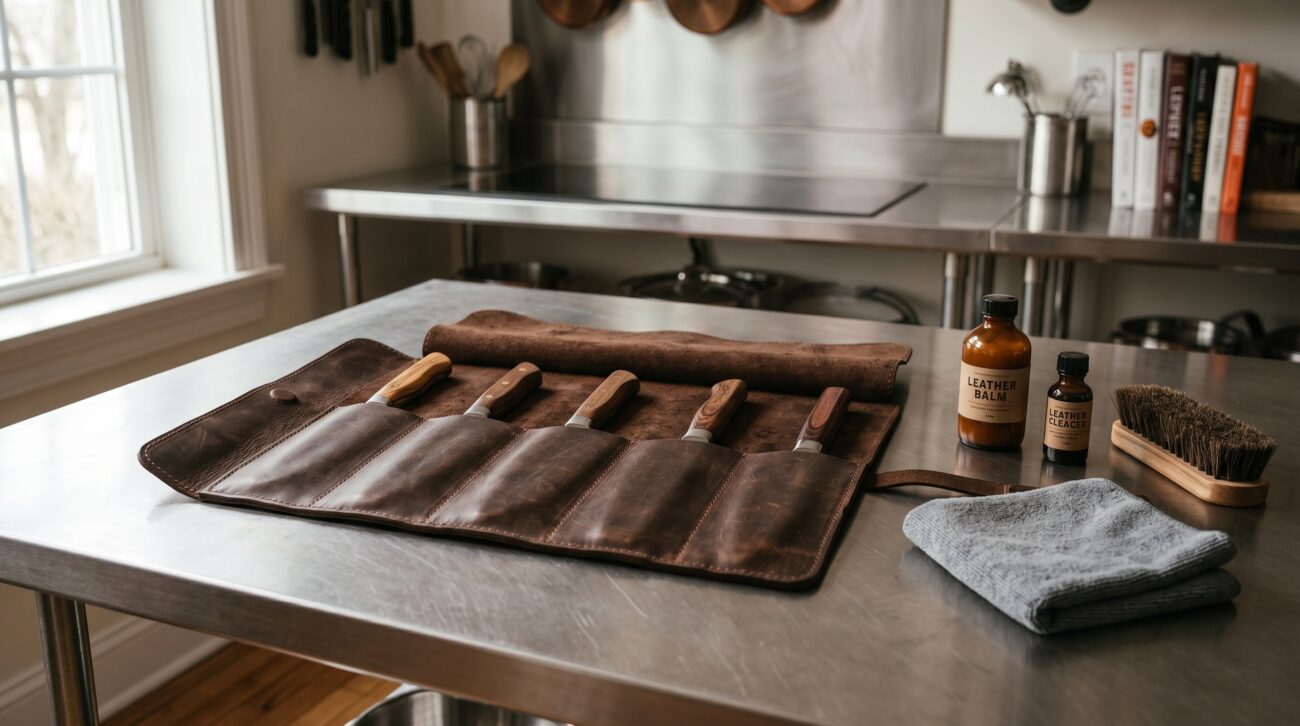
Over time, this can lead to stiffness, surface cracking, and reduced durability. Professional-grade leather benefits from occasional conditioning products specifically formulated for leather goods.
These treatments help restore natural oils, improve flexibility, and protect against environmental stress. Conditioning does not need to be frequent, but performing it several times throughout the year can greatly extend the life of the knife roll.
Mistake 4: Leaving the Roll in Extreme Heat or Direct Sunlight
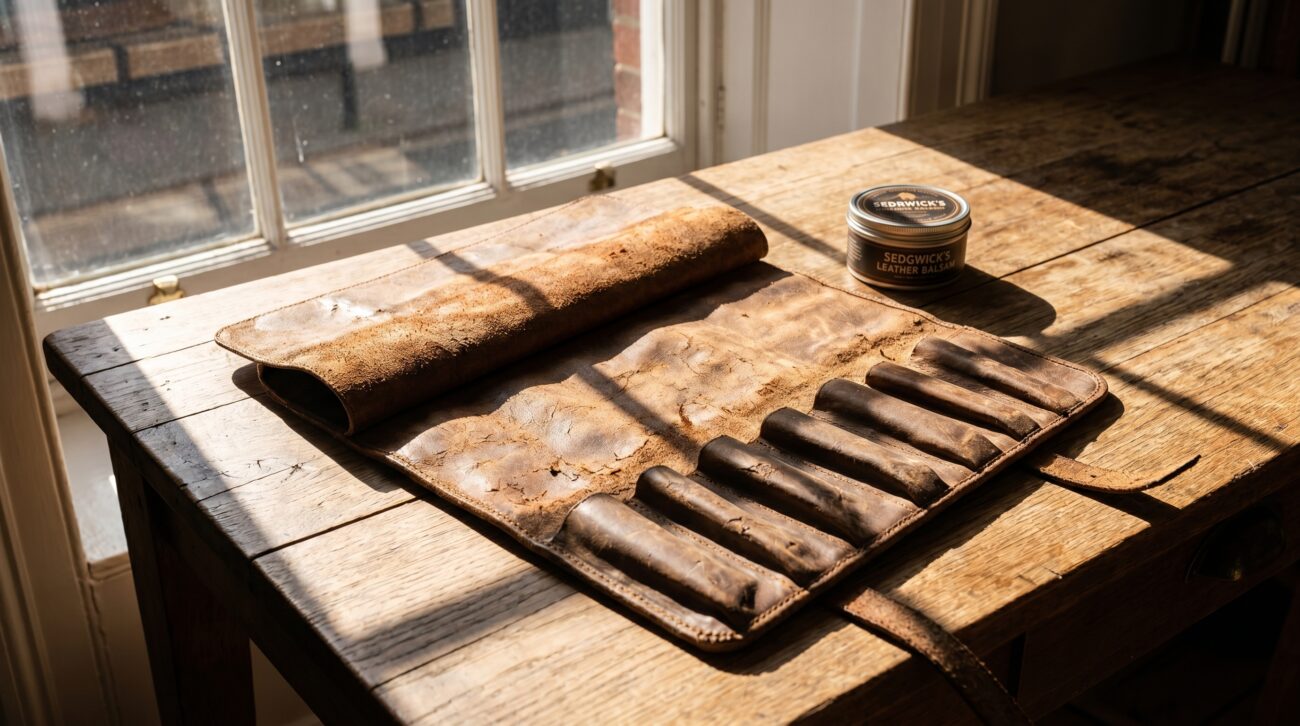
Heat is one of the biggest enemies of leather. Leaving a knife roll inside a hot vehicle, near kitchen heat sources, or in direct sunlight for prolonged periods can dry out the leather and accelerate aging.
Excessive heat removes natural moisture from the material, causing it to become brittle and prone to cracking. Sunlight can also fade the leather’s color and alter its appearance over time.
While quality leather develops a beautiful patina with age, uncontrolled exposure to harsh conditions can create uneven wear and premature damage.
Storing the knife roll in a cool, dry environment when not in use helps maintain its appearance, flexibility, and structural integrity for many years.
Mistake 5: Failing to Secure Sharp Blades Properly
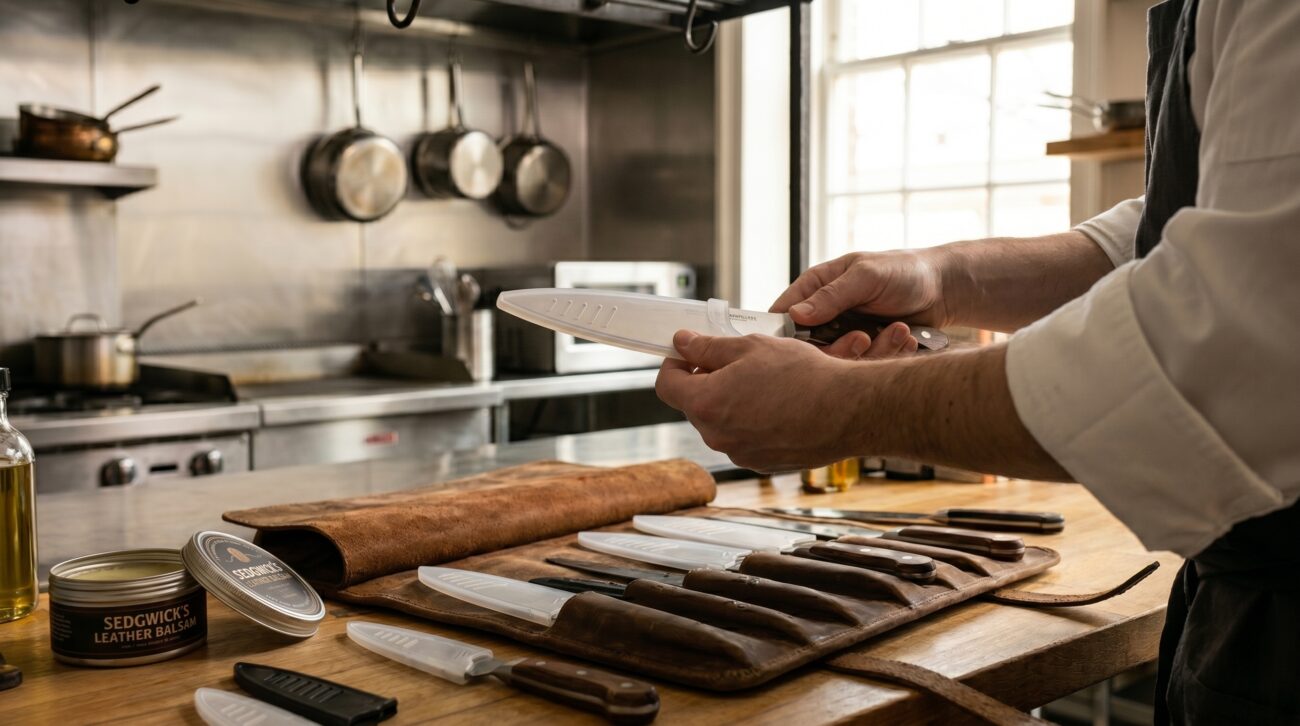
Many knife roll owners underestimate the importance of blade protection. Storing knives without blade guards or proper sheaths can create serious problems inside the roll.
Sharp edges may cut into leather pockets, weaken seams, and damage interior linings during transport. Repeated contact between exposed blades and leather surfaces considerably accelerates wear. The protective benefits of a knife roll depend heavily on proper blade storage and edge protection.
Unsecured knives can also shift while being carried, increasing the risk of accidental cuts and damage to neighboring tools. Professional chefs typically use blade guards or edge protectors before placing knives into their roll.
This simple precaution protects the leather, preserves pocket structure, and helps ensure that both the knives and the knife roll remain in excellent condition.
Mistake 6: Storing the Knife Roll in Damp Areas
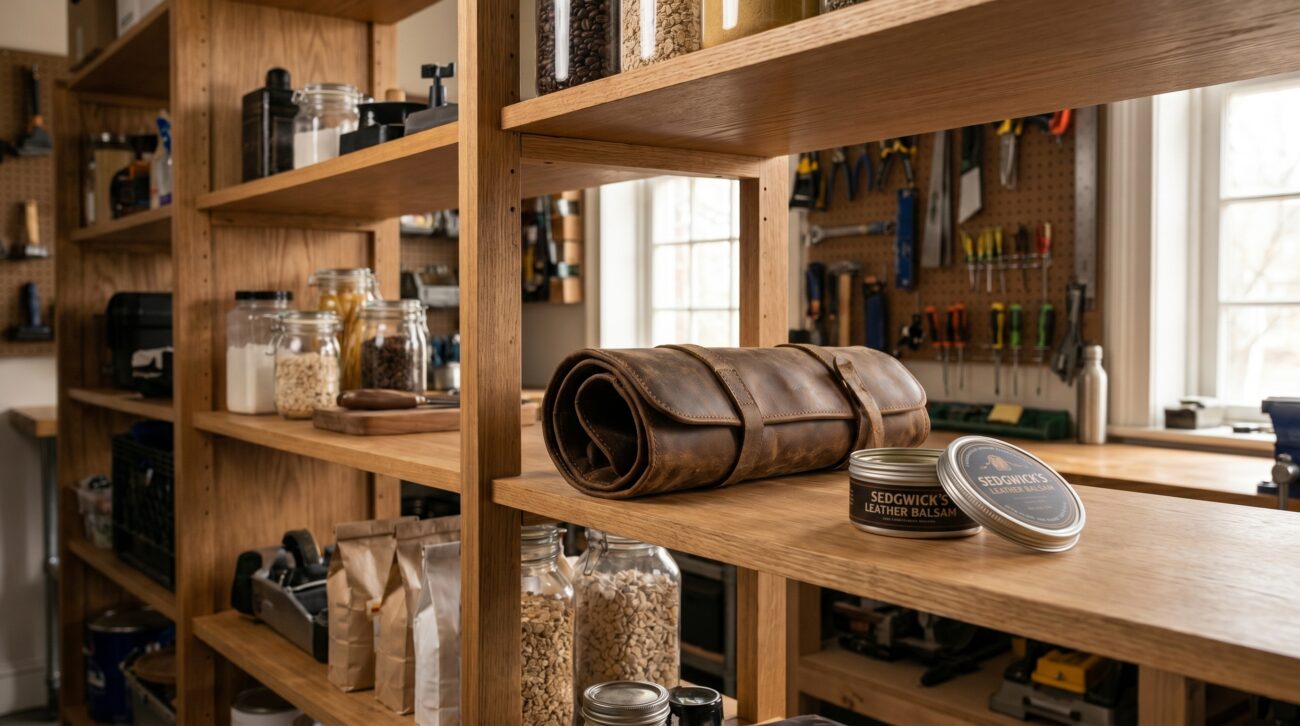
Leather and excessive moisture do not work well together. Storing a knife roll in a damp basement, humid storage room, or poorly ventilated area can cause long-term damage to the leather.
Moisture trapped in the material encourages mold growth, mildew formation, and unpleasant odors that can be difficult to remove. Over time, damp conditions can also weaken stitching and reduce the overall lifespan of the roll.
Professional chefs and culinary students should always store their knife rolls in a cool, dry place with adequate airflow. If the roll becomes wet due to rain or accidental spills, allow it to air dry naturally before storing it.
Proper storage conditions are one of the easiest ways to preserve the quality and appearance of a leather knife roll.
Mistake 7: Neglecting Regular Cleaning
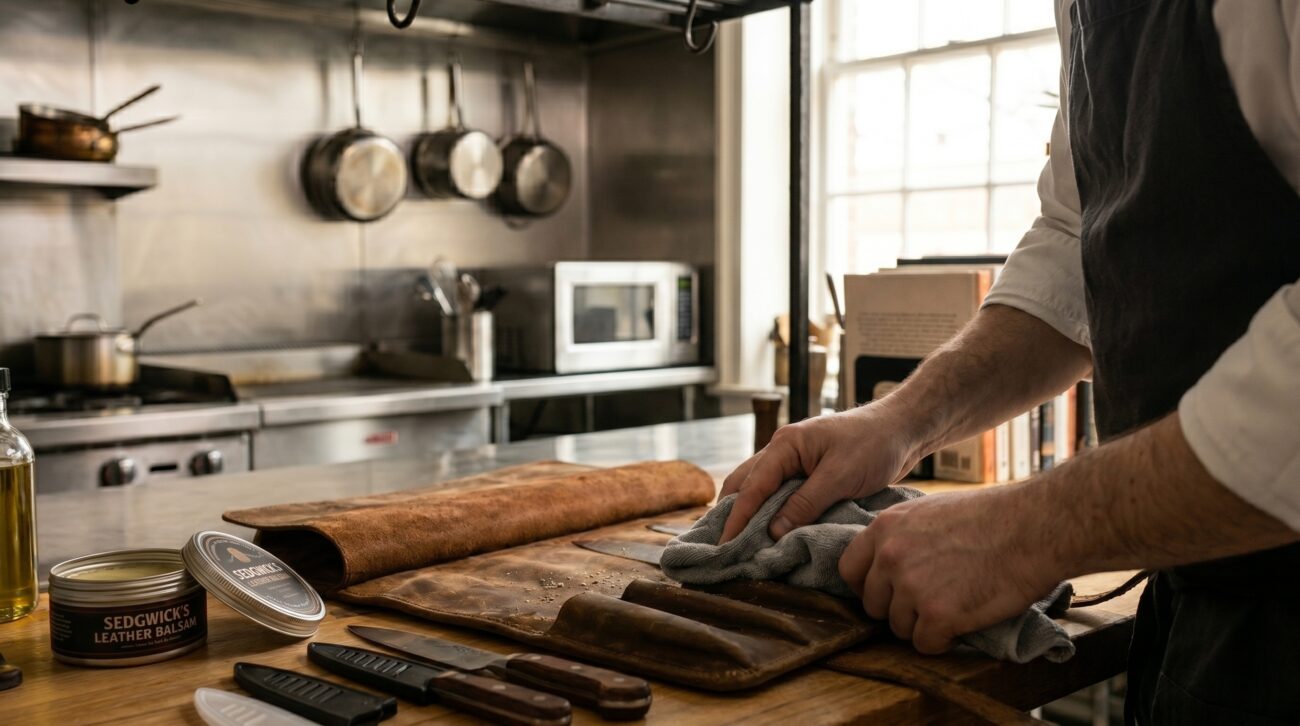
Many knife roll owners focus on cleaning their knives but forget about the roll itself. Dust, food particles, grease, and small debris can gradually accumulate inside pockets and seams.
Over time, this buildup may cause unpleasant odors, staining, and unnecessary wear on the leather. Dirt particles can also create friction that slowly damages the interior lining.
Routine cleaning does not require much effort. Simply empty the roll periodically and wipe the leather with a soft, dry cloth. For deeper cleaning, use products specifically designed for leather care.
Keeping the knife roll clean not only improves its appearance but also helps maintain the durability and functionality needed for everyday professional use.
Mistake 8: Using the Knife Roll for Non-Culinary Tools
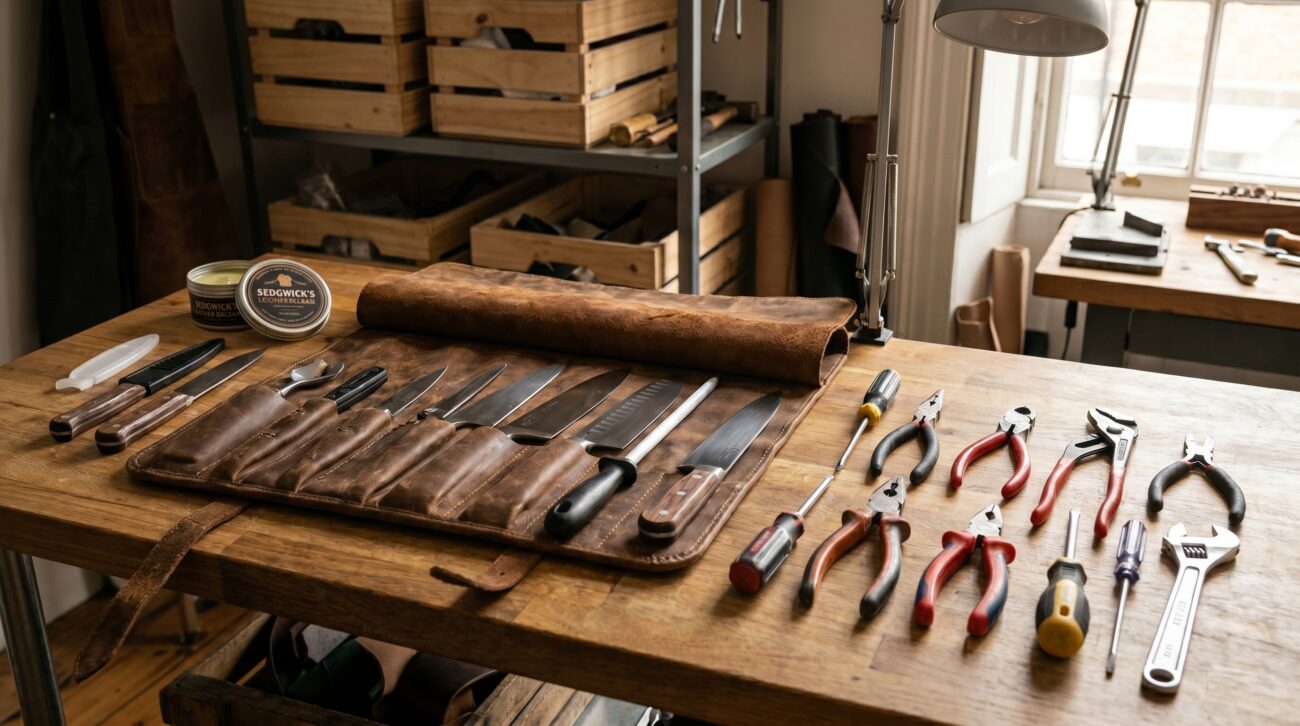
A knife roll is specifically designed to store and transport chef knives and related culinary tools. Using it to carry heavy hardware, pliers, screwdrivers, or other non-kitchen equipment can place unusual stress on the pockets and structure.
These items often have shapes and edges that the roll was never intended to accommodate. Improper use may stretch compartments, damage stitching, or create punctures in the leather.
Even if the roll appears strong enough to handle the weight, repeated misuse can shorten its lifespan considerably. To protect your investment, reserve the knife roll exclusively for culinary tools.
Mistake 9: Carrying the Roll Incorrectly
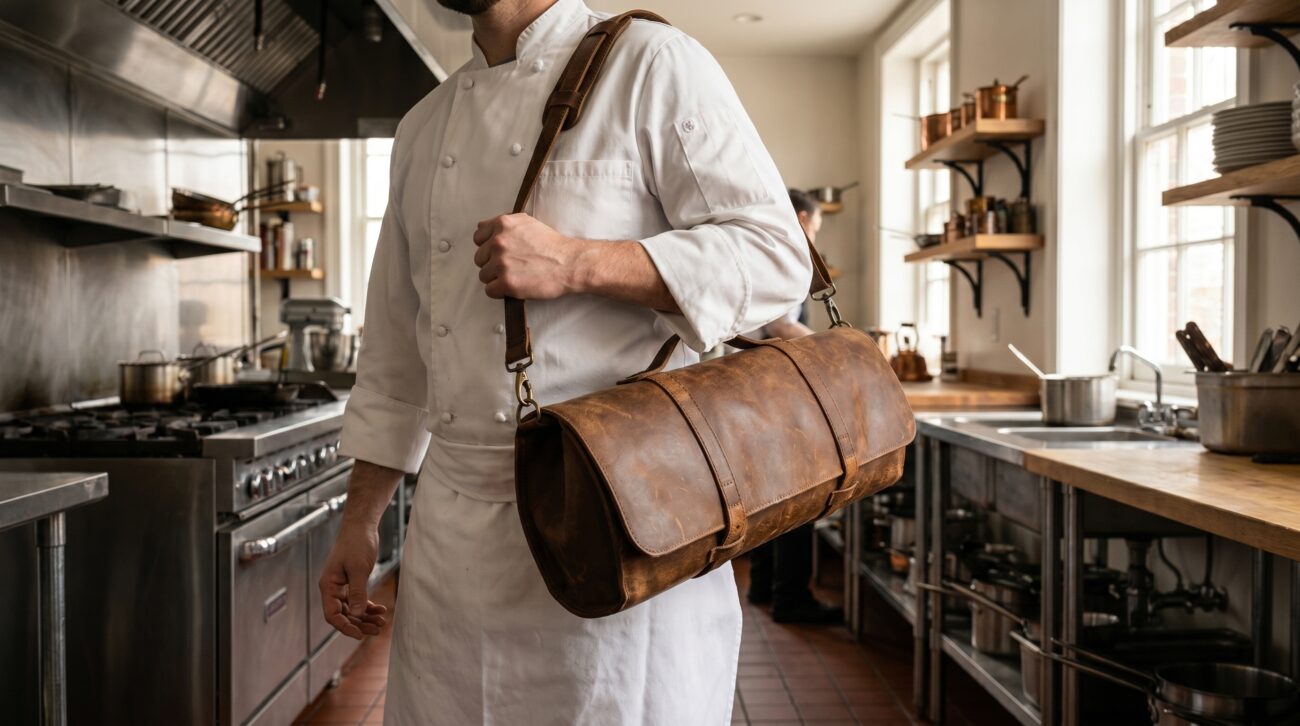
How you carry your knife roll can significantly impact its longevity. Constantly lifting a heavily loaded roll by a single strap or handle can create uneven stress on specific attachment points.
Over time, this repeated strain may weaken stitching, stretch leather components, and reduce overall durability. When transporting a knife roll, distribute weight evenly whenever possible.
Use shoulder straps correctly if your model includes them and avoid swinging or dropping the roll during movement. Taking a few moments to handle the roll properly can prevent unnecessary wear and protect critical structural components.
Conclusion
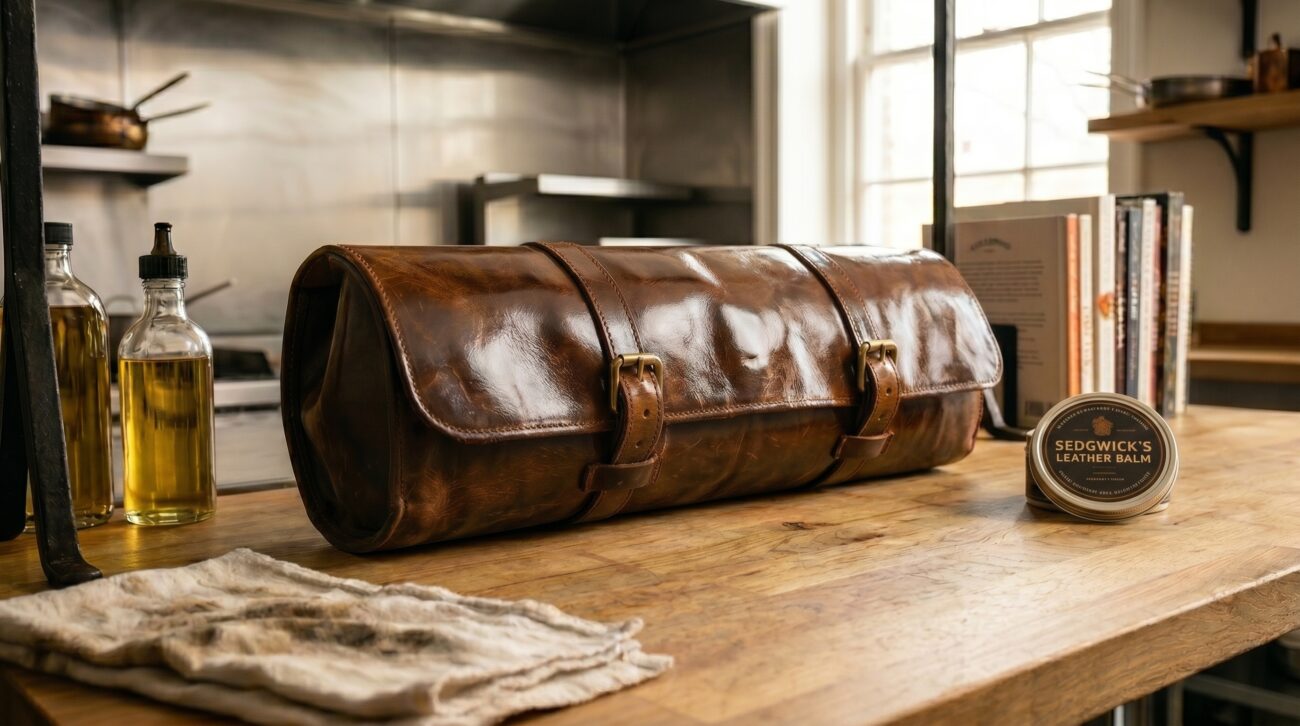
A premium leather knife roll is built to provide years of reliable service, but its lifespan depends heavily on how it is treated. Common mistakes such as storing wet knives, overloading compartments, exposing the roll to extreme heat, and neglecting proper storage can gradually cause significant damage.
Fortunately, these issues are easy to avoid with a little awareness and consistent care. Regular cleaning, proper conditioning, careful handling, and responsible storage practices help preserve both the appearance and functionality of your knife roll. These simple habits are one reason professional chefs often keep a quality leather knife roll in service for many years.
FAQ’s
How often should I condition a leather knife roll?
Most leather knife rolls benefit from conditioning every three to six months, depending on usage.
Can I store knives in a leather knife roll permanently?
Yes, but knives should always be clean, dry, and protected with blade guards to prevent damage to both the knives and the leather roll.
What is the biggest cause of knife roll damage?
Moisture is one of the most common causes of damage.
Is it safe to carry sharpening tools inside a knife roll?
Yes, as long as the roll is designed for them and the tools are stored securely without creating excessive pressure on the leather compartments.
How can I make my leather knife roll last longer?
Clean it regularly, condition the leather periodically, avoid overloading it, protect it from moisture and heat, and always store knives properly before transport.