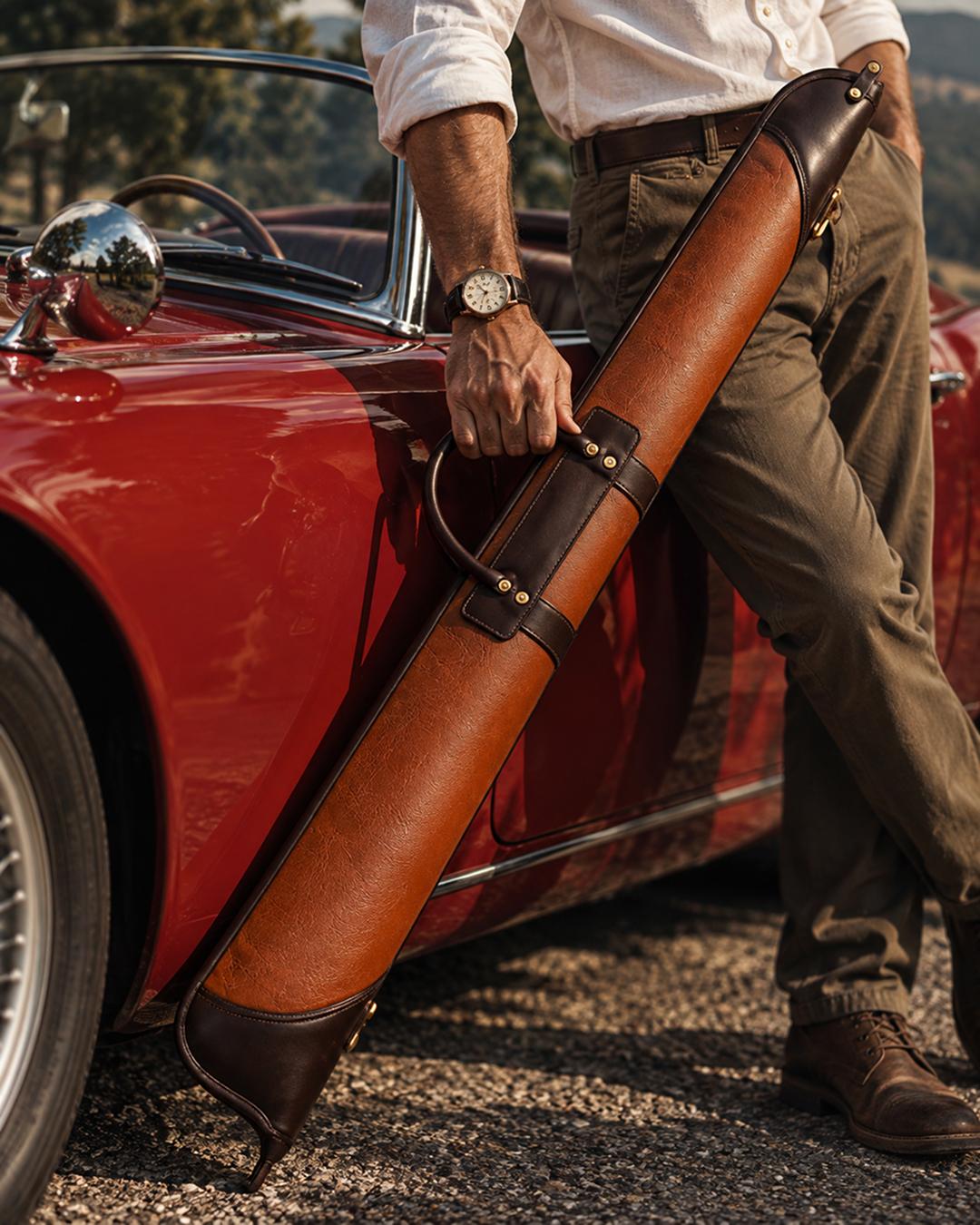

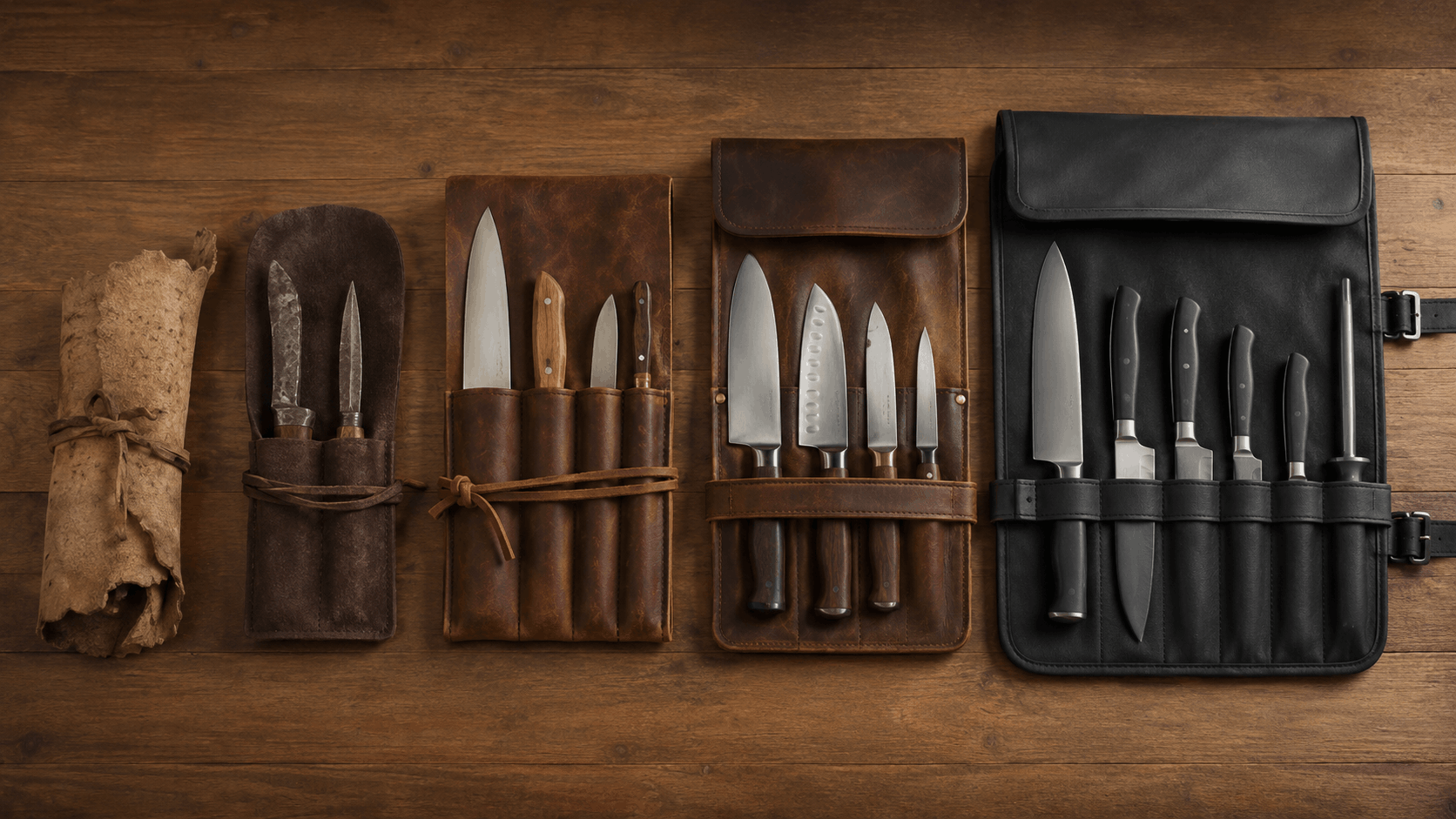

The leather knife roll is one of the most recognizable tools a professional chef can own today. It protects your valuable knives, keeps your culinary tools organized, and lets you travel wherever the job demands.
While modern knife rolls feature premium materials, dedicated storage compartments, and comfortable carrying systems, their origins stretch back much further than most people realize.
Long before professional kitchens existed, people relied on leather to protect and transport essential tools. Over centuries, these simple tool carriers evolved alongside society, eventually becoming the specialized knife rolls used by chefs around the world.
Understanding this history can help you understand why leather remains the material of choice for professionals who value durability, functionality, and craftsmanship. And this is exactly what we are going to talk about today.
Ancient Origins: The Birth of the Tool Wrap
Nomadic Utility: Protecting Essential Tools
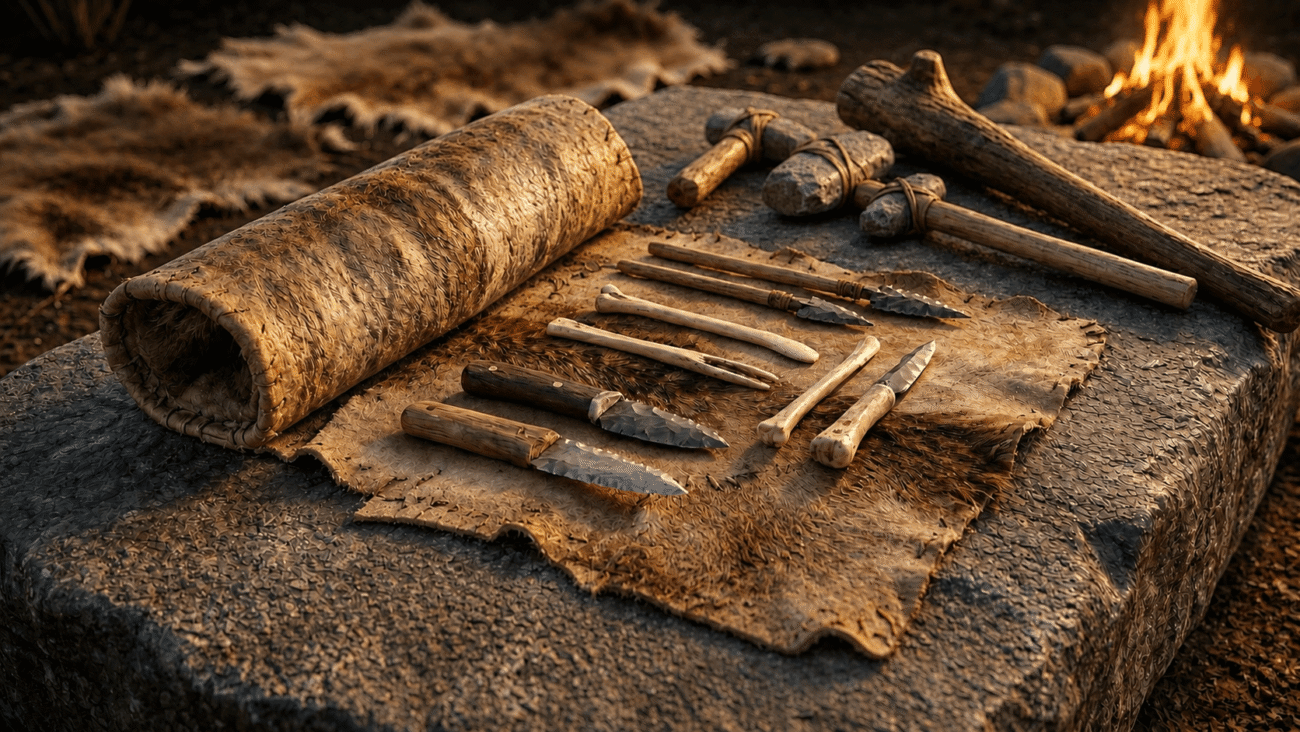
The earliest version of the leather knife roll can be traced back to ancient nomadic societies. Back in the day, we humans were dependent on sharp flint blades, bone tools, and hunting implements for survival.
Carrying these tools safely was essential, especially when traveling long distances. Animal hides became a practical solution because they were durable, flexible, and readily available.
Simple leather wraps helped protect tool edges from damage while making transportation easier. These primitive carriers were not designed for style or convenience; they existed purely for function.
Yet the basic concept remains remarkably similar to modern knife rolls. Valuable tools needed protection, organization, and portability. Thousands of years later, professional chefs continue to rely on those same principles.
The Soldier’s Kit: Leather in Military Life
As civilizations developed, leather became an important material for soldiers and warriors. Roman legions, medieval knights, and military craftsmen often carried maintenance tools, daggers, and utility blades in leather wraps or pouches.
These protective carriers kept equipment organized while shielding metal tools from moisture, dirt, and damage. Military life demanded durability, and leather proved capable of surviving harsh conditions.
A damaged blade could have serious consequences, making proper storage a necessity rather than a luxury. The practical design of these early leather carriers influenced countless professions over time.
The idea that important tools deserved dedicated protection became deeply rooted in working culture, eventually extending beyond the battlefield into workshops and professional crafts.
The Master Craftsman: Protecting Valuable Equipment
Blacksmiths, carpenters, woodworkers, and other skilled craftsmen quickly recognized the value of leather tool wraps. Their livelihoods depended on keeping tools in excellent condition, and leather provided an effective barrier against moisture, dust, and accidental damage.
Tool rolls allowed craftsmen to organize equipment while traveling between job sites. Instead of carrying loose tools that could become damaged or misplaced, workers could keep everything secure and accessible.
Over time, these leather carriers became common among skilled tradespeople. The emphasis on protecting valuable equipment laid the groundwork for future generations of professionals.
The Industrial Era and Culinary Specialization
The Rise of the Professional Chefs
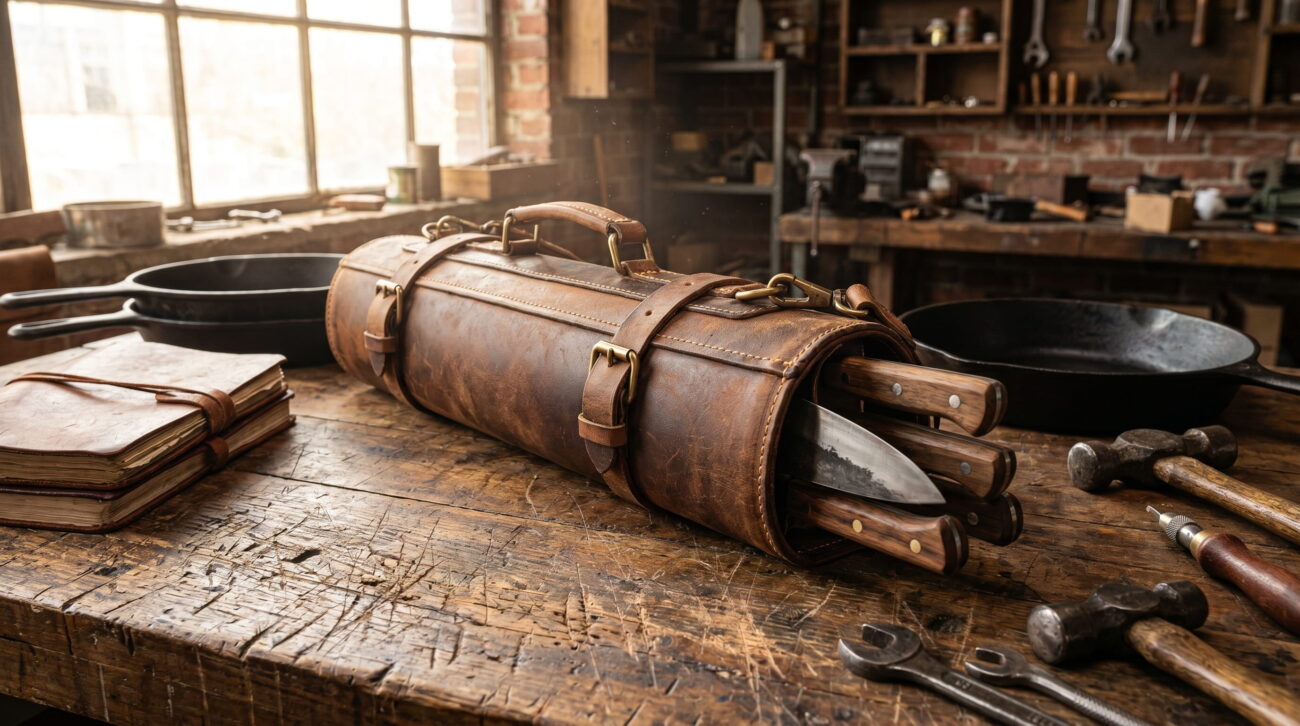
The nineteenth century marked a major turning point for the culinary profession. Influential figures such as Auguste Escoffier helped transform cooking into a respected career with formal standards, specialized roles, and professional training.
As kitchens became more organized, chefs increasingly relied on personal knife collections tailored to specific tasks. Rather than sharing communal tools, many chefs began carrying their own knives to ensure consistency and performance.
This shift created a growing demand for dedicated storage solutions. Knife rolls emerged as a practical way to transport and protect these valuable instruments.
Material Shifts: Leather Meets Industrial Innovation
The Industrial Revolution introduced new manufacturing techniques and materials. Heavy-duty canvas became a popular alternative for carrying tools because it was affordable, durable, and easy to produce in large quantities.
Many trades adopted canvas tool rolls alongside traditional leather designs. However, leather remained highly valued for its strength and protective qualities. While canvas offered practicality, leather continued to provide superior durability and a more refined appearance.
During this period, both materials played important roles in the storage of professional equipment. The competition between leather and canvas would continue for decades, influencing the design of knife rolls and tool carriers across numerous industries.
The Trade School Boom
As culinary schools and training institutions expanded during the twentieth century, carrying a personal knife set became standard practice for aspiring chefs. Students were expected to arrive with their own tools, reinforcing the importance of organization and professional responsibility.
Knife rolls became closely associated with culinary education. They allowed students to transport knives safely between classrooms, kitchens, and apprenticeships. This practice helped establish the knife roll as a symbol of professionalism within the culinary world.
As generations of chefs entered the industry, the habit of carrying personal tools became deeply ingrained, further solidifying the knife roll’s role in professional cooking culture.
The Modern Evolution: Design & Craftsmanship
From Canvas Back to Premium Leather
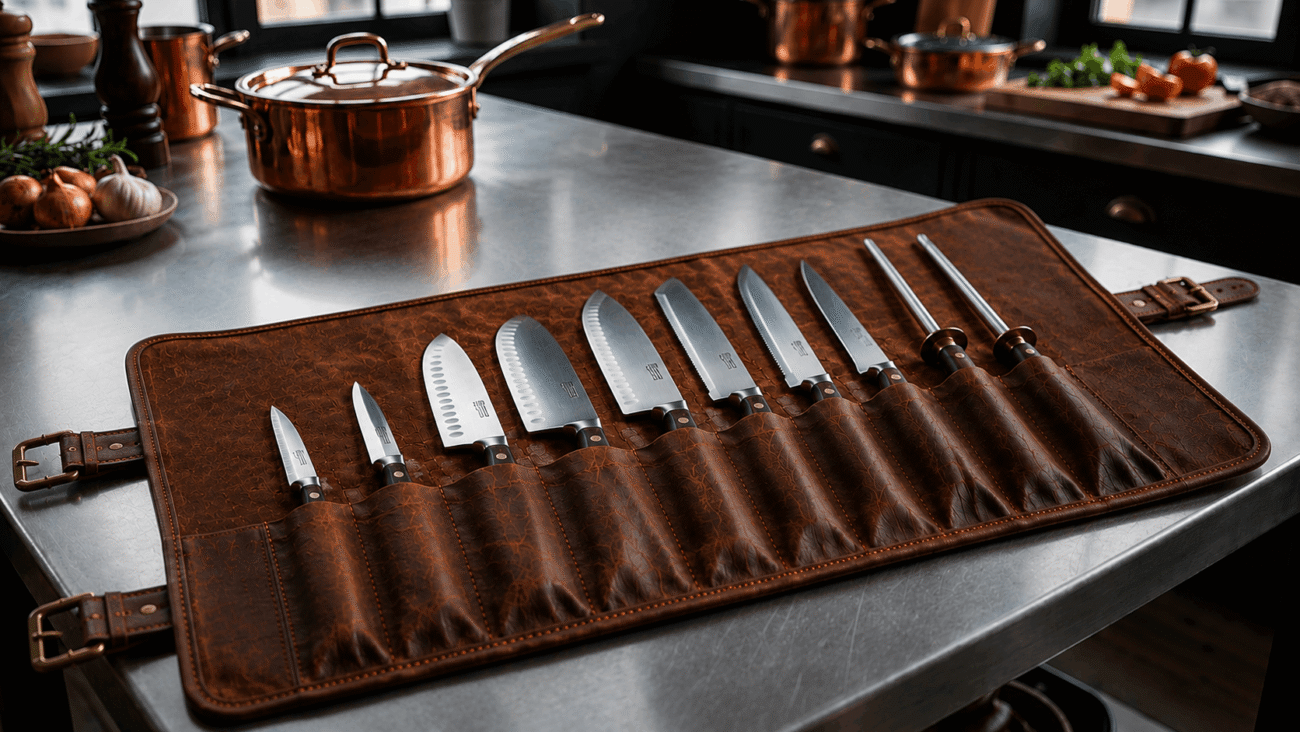
While canvas remains popular in some settings, many professional chefs have returned to leather knife rolls because of their exceptional durability and classic appeal. Many chefs also aim to choose the best leather knife roll, like full-grain leather, which offers superior strength, ages beautifully, and provides reliable protection for valuable knives.
Modern chefs often view leather knife rolls as long-term investments rather than disposable accessories. The material develops character over time while maintaining its functionality.
Anatomy of Modern Knife Rolls
Today’s leather knife rolls are far more sophisticated than their historical predecessors. Modern designs include dedicated knife slots, protective suede flaps, reinforced stitching, brass buckles, utility pockets, and secure closures.
These features are carefully designed to improve organization, accessibility, and blade protection. Every element serves a practical purpose. Protective linings reduce friction, strong hardware enhances durability, and utility compartments provide space for additional culinary tools.
Related Article: Why Professional Chefs Prefer Leather Knife Rolls
Ergonomics and Travel-Friendly Features
As chefs increasingly travel between restaurants, catering events, competitions, and culinary schools, knife roll design has continued to evolve. Modern rolls often include adjustable shoulder straps, padded handles, and weather-resistant treatments that improve comfort and convenience.
These ergonomic improvements allow professionals to transport their tools safely without sacrificing mobility. Whether navigating a busy city or traveling to a remote event, chefs benefit from storage solutions designed around real-world demands.
Conclusion
The history of the leather knife roll is a story of continuous evolution driven by the need to protect valuable tools. What began as simple animal-hide wraps used by early humans gradually evolved into practical carriers for soldiers, craftsmen, and, eventually, professional chefs.
Over centuries of refinement, leather has remained a trusted material for its durability, flexibility, and ability to withstand daily use. Today’s leather knife rolls combine traditional craftsmanship with modern design features, offering superior protection, organization, and portability for culinary professionals.
Yet despite advancements in materials and construction, the core purpose remains unchanged: safeguarding the tools that people depend on to perform their work.
FAQ’s
What is a leather knife roll?
A leather knife roll is a portable storage solution that organizes, protects, and transports kitchen knives and culinary tools.
Why do professional chefs use leather knife rolls?
Professional chefs use leather knife rolls because they provide excellent blade protection, organization, durability, and portability while maintaining a professional appearance.
When did knife rolls become popular among chefs?
Knife rolls became increasingly popular during the nineteenth and twentieth centuries as professional cooking evolved and chefs began carrying their own specialized knife sets.
Why is leather valued for knife rolls?
Leather is valued for its strength, durability, protective qualities, and timeless appearance.
Can a leather knife roll last for decades?
Yes, a well-made leather knife roll, crafted from full-grain leather and properly maintained, can last for many years.