

There is no doubt that a leather apron is more than protective gear, as it is a daily work companion for you that is built for durability, comfort, and trust. Whether you are welding steel, crafting wood, preparing food, or serving customers in a restaurant, the right apron can improve both performance and your confidence.
But not every leather apron is made the same. The wrong material, poor fit, or weak design can quickly turn an ideal tool into a daily frustration. Choosing the perfect leather apron means understanding your trade and the level of protection you need.
That’s why in this guide, we’ll share with you the perfect leather apron buying guide, so that you can choose the perfect fit for your trade.
Understanding the Material: Not All Leather is Equal
First of all, keep in mind that all leather aprons offer the same level of protection, comfort, and durability. And understanding the material is the first step in choosing the right one.
Full-grain leather is the strongest and most durable option because it keeps the complete outer layer of the hide. It lasts for years and develops a rich patina over time, which makes it ideal for serious professionals. Top-grain leather is slightly sanded for a smoother finish and offers greater flexibility with less weight, which makes it better for everyday use.
Leather weight is measured using the “oz” system. A 4oz apron feels lighter and offers better mobility, while an 8oz apron provides stronger protection against sparks and heavy work. Choosing the right weight depends on the balance between comfort and protection.
Tanning also matters. Chrome-tanned leather is flexible, soft, and more heat-resistant, while vegetable-tanned leather is stiffer, eco-friendly, and ages beautifully with use.
Selecting Your Apron by Trade
The Metalworker (Welder/Blacksmith)
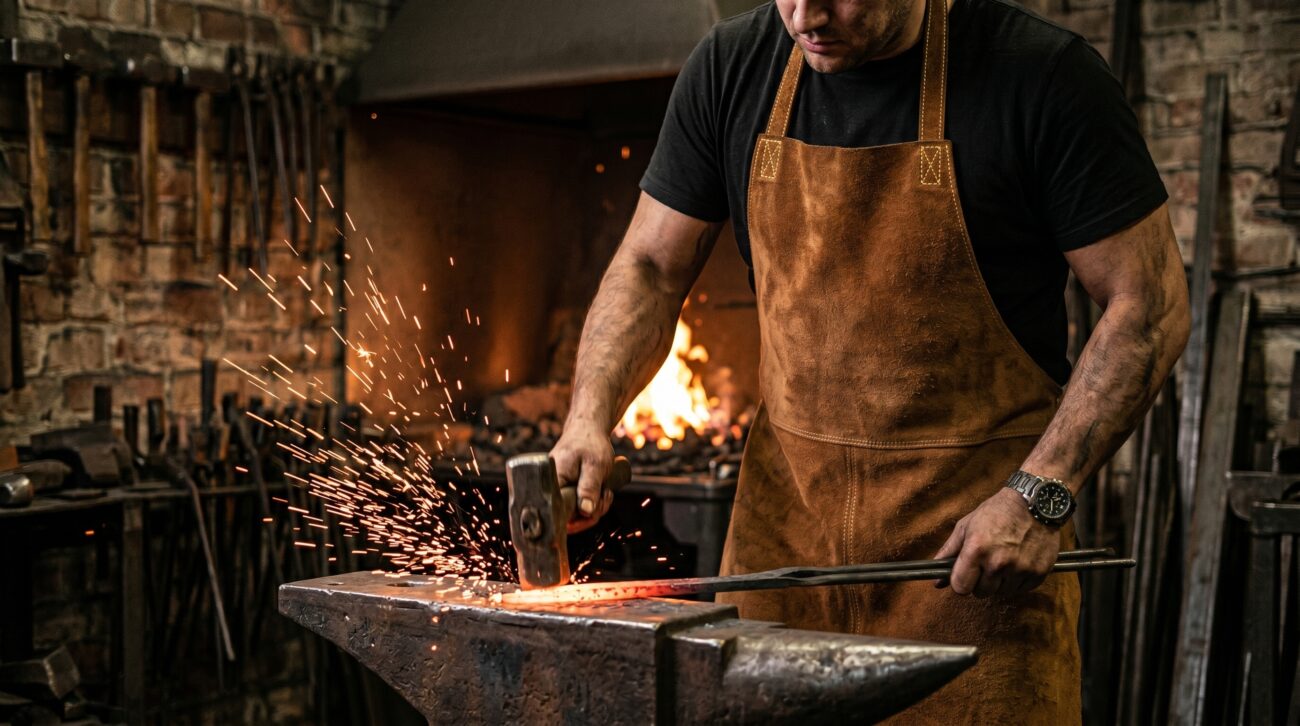
For welders and blacksmiths, protection always comes first. That’s why a leather apron must handle heat, flying sparks, sharp edges, and heavy daily wear without failing. Heavyweight leather, usually 7oz or more, is ideal because it creates a stronger barrier against burns and damage.
That’s where a Suede or split leather is often preferred, as it offers excellent heat resistance and prevents sparks from slipping into clothing. Kevlar stitching is another must-have, as regular thread can weaken at high temperatures.
A no-pocket design is also important because open pockets can catch sparks and create safety risks. For metalworkers, the right apron is not about style; it is about the reliable protection an apron offers.
The Woodworker/Carpenter
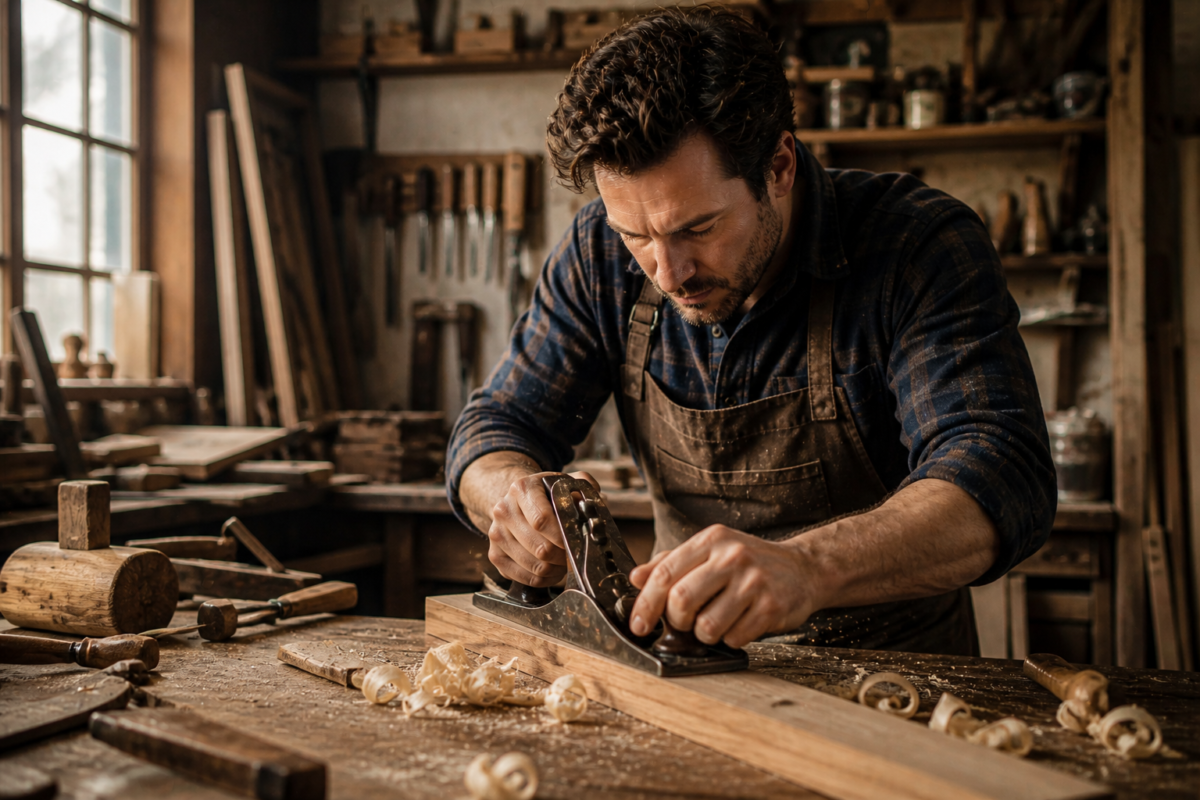
Woodworkers and carpenters need an apron that balances durability with easy movement. Daily work involves sharp tools, sanding, and constant bending, so abrasion resistance is essential.
That’s where a full-grain, strong top-grain leather works well, as it resists friction and tool wear without wearing down quickly. Flapped pockets are especially useful in this case because they can keep sawdust and wood chips from collecting inside, which can help you maintain a cleaner workspace.
Chest pockets for pencils, rulers, and small measuring tools can also improve workflow and save time. The apron should feel strong but not too heavy, and must allow comfort during long hours of standing, cutting, and building without limiting movement.
The Artisan (Barber/Barista/Bartender)

For barbers, baristas, and bartenders, a leather apron must combine function with strong visual appeal. It is part of the professional image as much as it is protective gear.
It is where you’ll need lightweight leather between 3oz and 4oz, as it allows easy movement during busy shifts without causing shoulder strain. Top-grain leather is often preferred for its smoother finish and polished appearance.
Sleek hardware, clean stitching, and a modern fit also create a more refined look for customer-facing roles. Towel loops, on the other hand, add daily convenience, while stain resistance helps maintain a sharp appearance.
The Culinary Professional (Chef/Butcher)
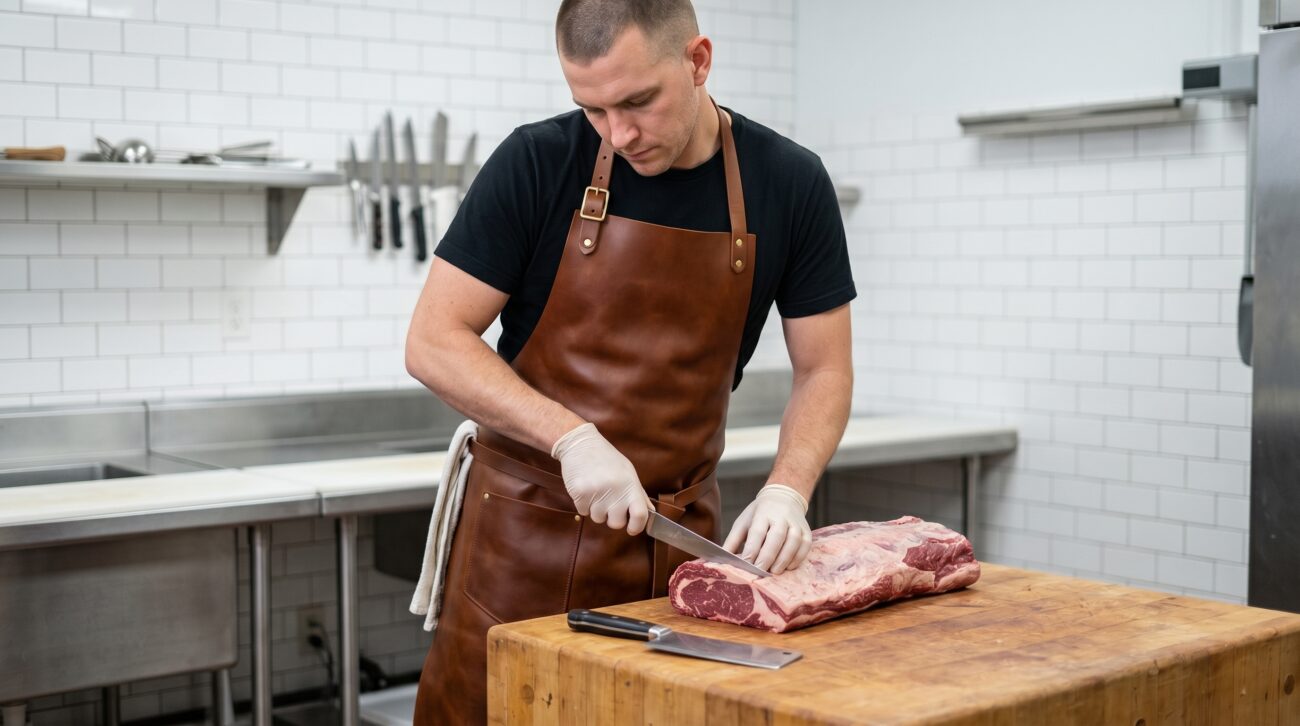
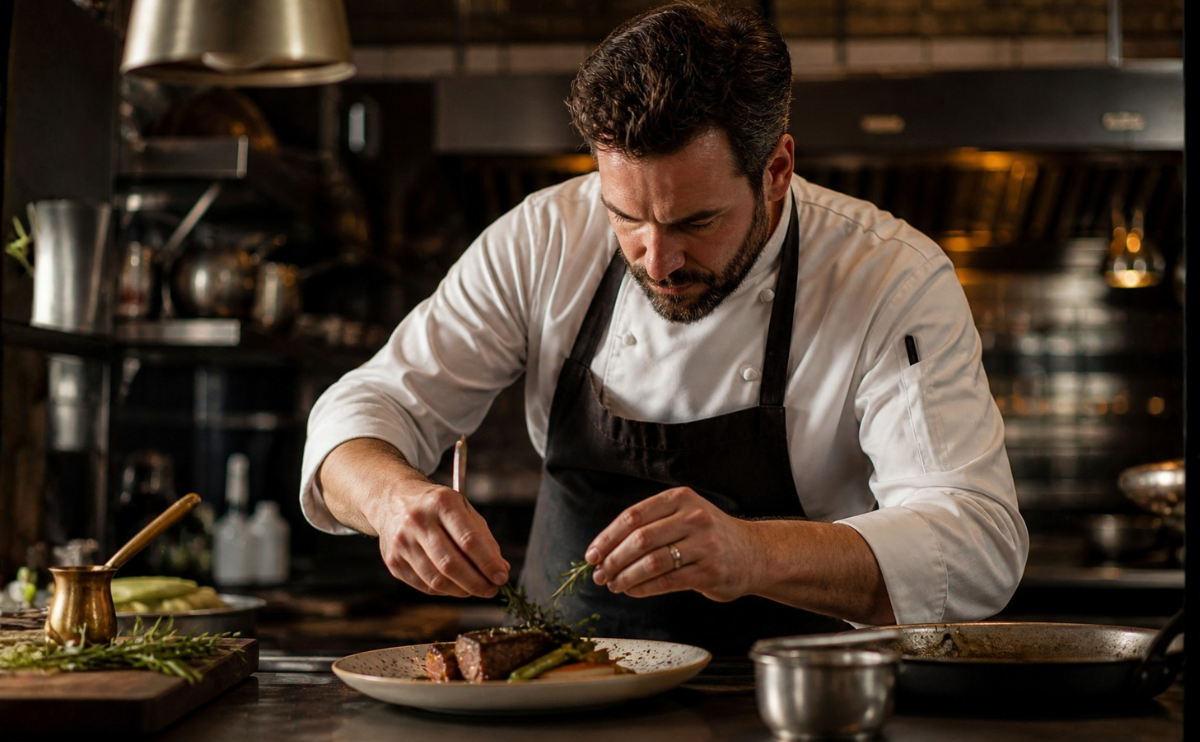
Chefs and butchers need a leather apron that focuses on hygiene, liquid resistance, and easy cleaning. Kitchens are fast-paced environments with oils, sauces, water, and constant movement, so the apron must protect your clothing without trapping food particles.
That’s where a smooth-finish leather is the best choice because it is easier to wipe clean and resists liquid absorption better than rougher textures. Minimal crevices and simple pocket designs can also help prevent food buildup and improve sanitation.
Lightweight to medium-weight leather works best for comfort during long shifts. A culinary apron should feel protective, clean, and must be built for kitchen work without unnecessary bulk or complicated maintenance.
Finding Your Perfect Fit
Choosing the right fit is as important as the right leather. A good leather apron should protect you without limiting your movement. Length matters first, so if your work requires constant walking, bending, or quick movements, an apron that ends around mid-thigh offers better flexibility and comfort.
For jobs like welding or butchering where maximum lower-body protection is needed, a below-knee apron provides stronger coverage.
Width also matters because your apron should fully protect the main “splash zone” of your torso. It should cover your chest and wrap around the sides enough to protect against sparks, dust, stains, or liquid spills. Keep in mind that a narrow apron may look good, but often fails in real working conditions.
Split-leg designs are ideal for seated work like pottery, saddlery, or benchwork because they improve movement while protecting both legs. Before ordering, measure from your upper chest to your preferred apron length, then measure your waist and torso width. Accurate measurements ensure comfort, better protection, and a truly custom working fit.
Conclusion
The perfect leather apron is not simply the most expensive one, but the one that is built for your trade, movement, and your daily work environment. From choosing full-grain or top-grain leather to selecting the right weight, fit, and design, every detail affects comfort, safety, and long-term performance.
Also, keep in mind that a welder needs different protection than a chef, and a bartender values different features than a carpenter. That is why understanding your work comes before choosing your apron.
A well-made leather apron, if cared for properly, becomes part of your craft, earning character with every use. When chosen correctly, it protects better, lasts longer, and feels like something made specifically for you.
FAQ’s
What is the best leather for a work apron?
Full-grain leather is usually the best choice for durability and long-term use.
Which leather apron is best for welding?
Split or suede leather with heavy-weight (7oz or more) is best for welding because it offers strong heat resistance and spark protection.
How do I know the right apron size for me?
Measure from your upper chest to your desired apron length, then measure your waist and torso width.
Are lightweight leather aprons good for daily use?
Yes, lightweight leather aprons work very well for baristas, bartenders, and barbers.
Should a leather apron have many pockets?
It depends on your trade. Carpenters may need more tool pockets, while welders often prefer fewer or no pockets to avoid sparks from becoming trapped.