

A leather apron is made to handle hard work, but even the strongest leather can tear, crack, and wear down over time. Whether you use it in the kitchen, blacksmith station, or garage, daily use eventually leaves marks that need attention asap.
The good news is that a torn leather apron does not always need replacement. With the right repair methods, you can restore its strength, appearance, and functionality without losing the character it has built over the years.
Knowing how to repair leather the right way helps protect your investment and keeps your trusted work gear ready for years of continued use. And this is exactly what we are going to talk about in this article.
8 Ways to Repair a Torn Leather Apron
Clean the Damaged Area Before Starting
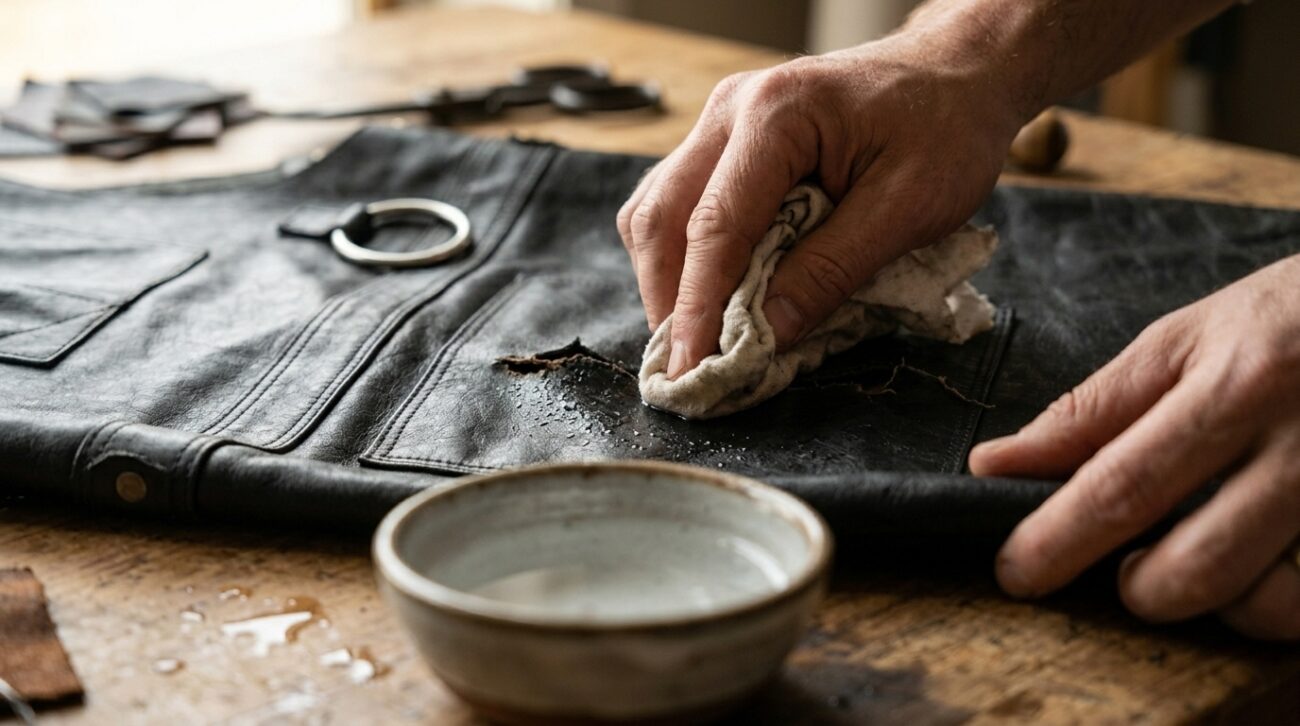
Before repairing any tear, the first step is always cleaning the damaged area properly. Dust, grease, oil, and residue can prevent glue, patches, or stitching from holding well.
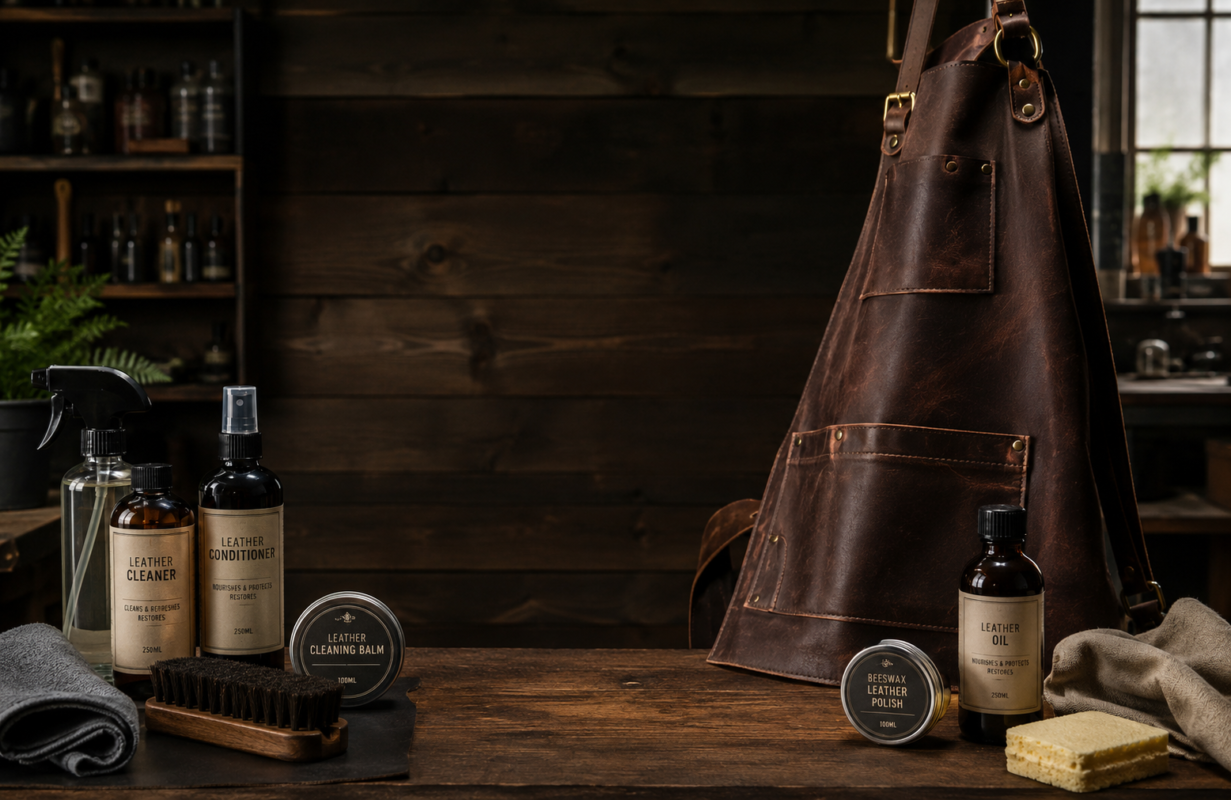
For that reason, use a soft cloth with a small amount of leather-safe cleaner or lukewarm water to gently wipe the surface. Avoid soaking the leather because too much moisture can weaken the material further.
Let the area dry naturally before starting the repair. A clean surface ensures stronger results and prevents dirt from getting trapped inside the repair.
Use Leather Glue for Small Surface Tears
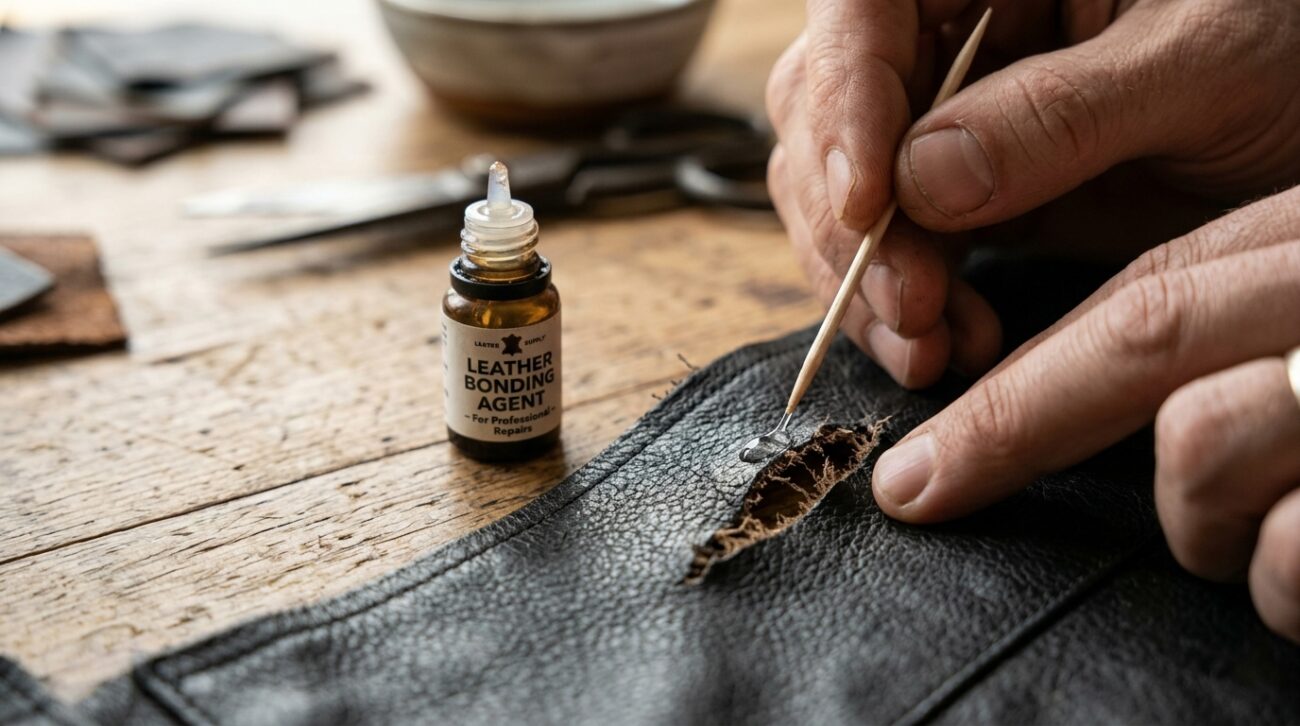
For small cuts and light surface tears, leather glue can be one of the easiest and most effective solutions. That’s why choose a high-quality adhesive that is made specifically for original leather rather than regular household glue.
Apply a small amount carefully inside the tear and press the edges together gently. Hold the area in place until the bond starts to set. Avoid using too much glue because excess adhesive can leave visible marks on the leather surface.
Once dry, the repair becomes stronger and less noticeable. This method works best for minor damage before the tear becomes larger or deeper.
Stitch Deep Tears for Long-Term Strength
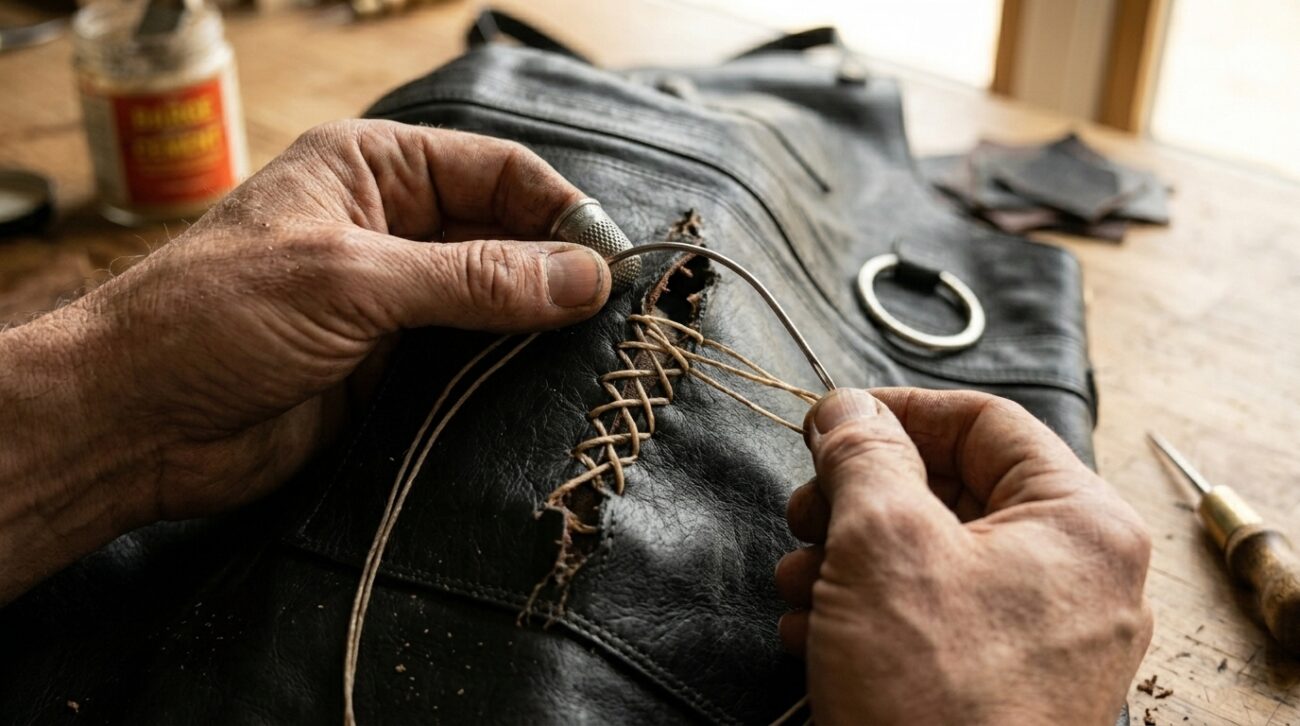
If the tear is deeper or located in a high-stress area like the chest, pocket edge, or side panel, stitching is often the better repair option. That’s why use a heavy-duty leather needle and strong waxed thread that is designed for leatherwork.
Carefully stitch along the tear using even spacing to restore its strength without creating extra stress points. Tight stitching can also help prevent the tear from spreading during daily use.
While this takes more effort than glue, it offers much stronger long-term durability. Hand stitching also keeps the repair more secure, especially for aprons used in demanding, extra work environments every day.
Apply a Leather Patch for Extra Support
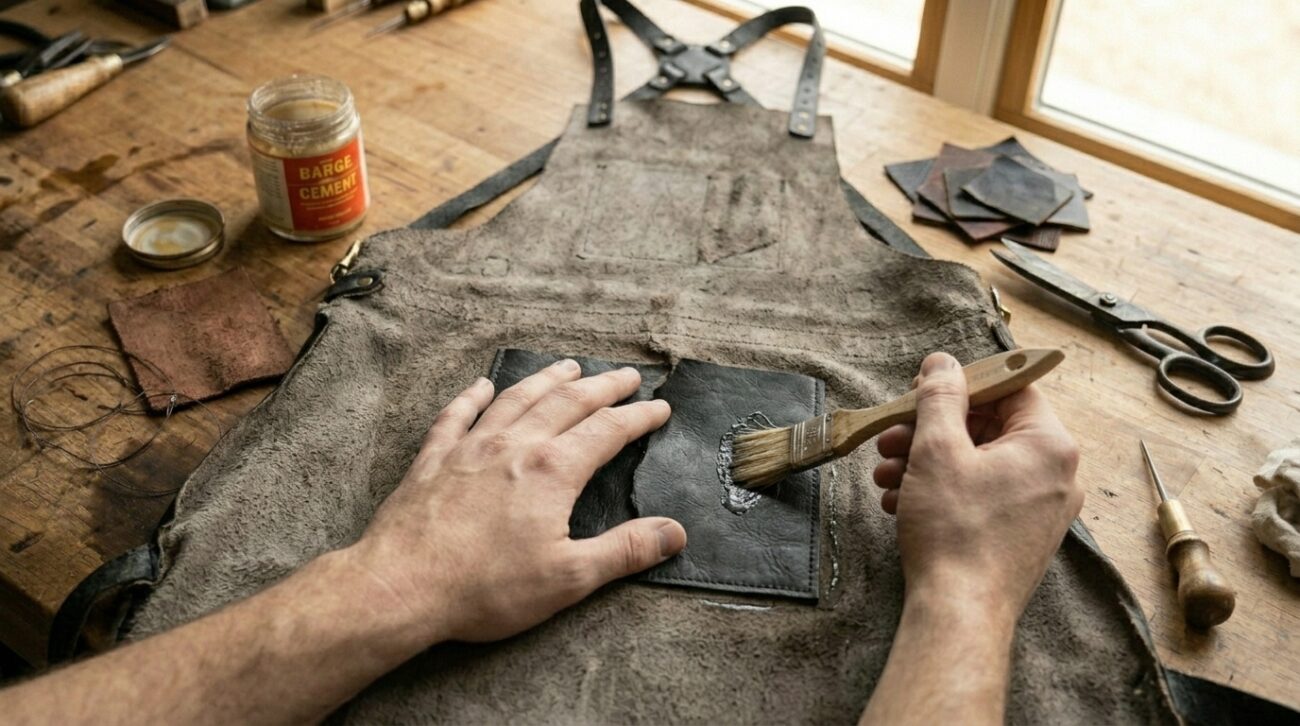
When the tear is too wide or the leather has become thin, adding a leather patch provides extra support and durability. But make sure to choose a patch that is made from similar leather thickness so the repair feels natural and balanced.
The patch can be placed inside or outside, depending on the damage and design preference. Secure it using leather glue, stitching, or both for stronger results. A well-placed patch not only repairs the damage but also strengthens the weak area against future tearing.
Repair Loose or Broken Straps Immediately
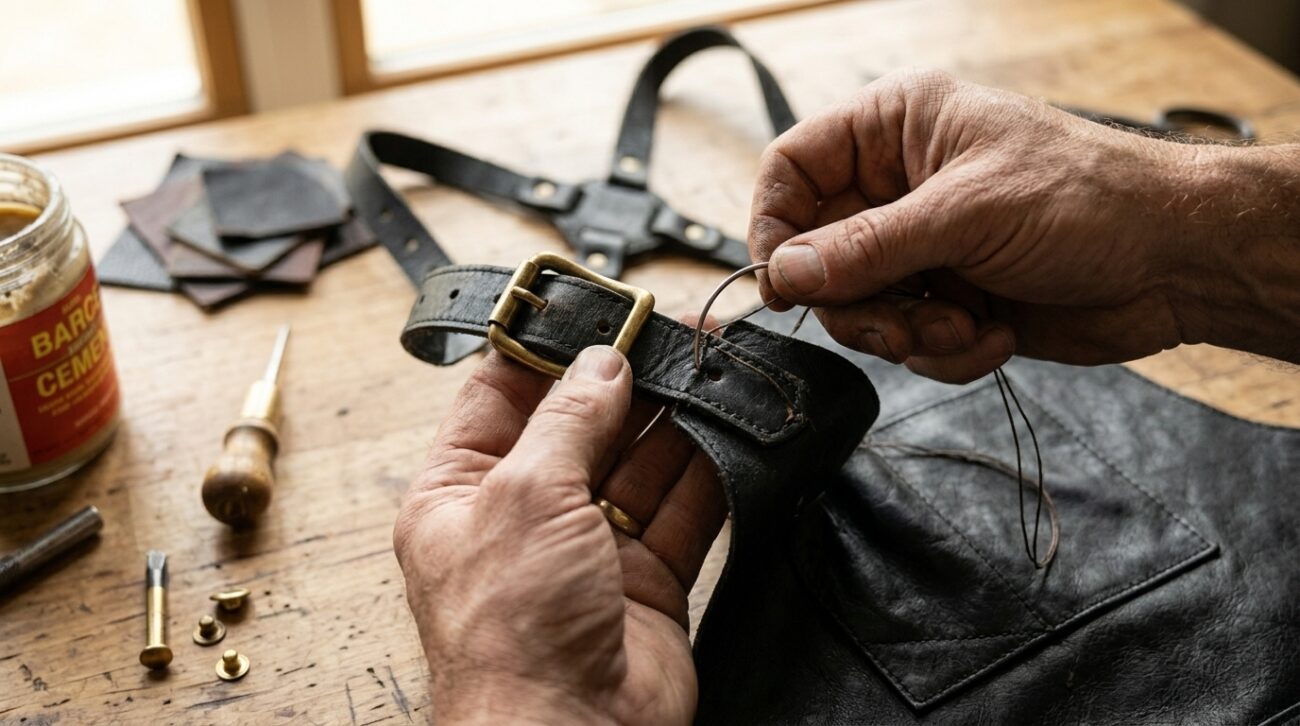
Leather apron straps handle constant pulling and movement, so they often wear out faster than the main body. Loose stitching, cracked straps, or broken buckles should be repaired quickly before they create bigger problems.
Make sure to replace weak rivets, re-stitch loose strap ends, or install a new leather strap if needed. Strong straps are important for both comfort and safety, especially in workshop or kitchen environments.
Ignoring strap damage can make the apron uncomfortable or even unsafe during work. A secure strap repair helps restore full function and extends the overall life of the apron without replacing the entire piece.
Condition the Leather After Every Repair
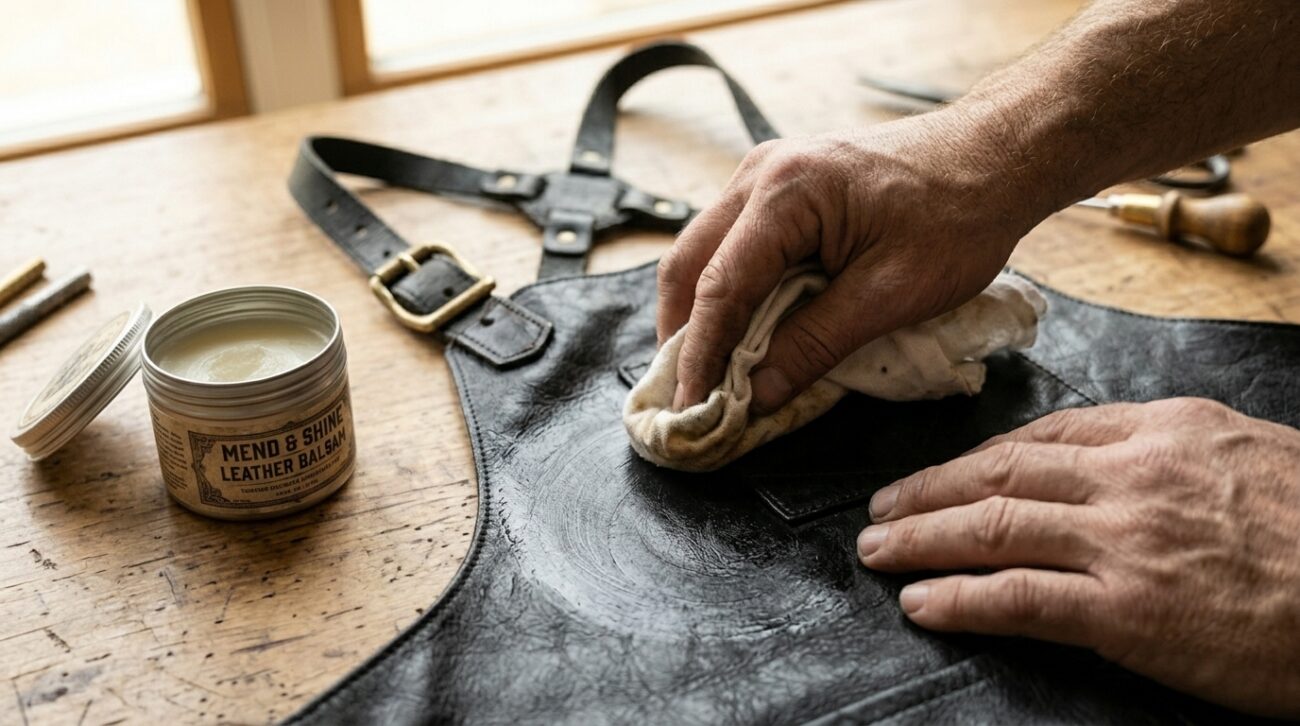
Once the repair is complete, conditioning the leather is an important final step that many people forget. Repairs like stitching, glue application, or patching can make certain areas feel dry or stiff.
That’s where a good leather conditioner can help you restore moisture, flexibility, and softness to the material. Apply a small amount using a soft cloth and work it gently into the surface using circular motions.
This helps the repaired section blend better with the rest of the apron and reduces the risk of future cracking.
Smooth Cracked Edges and Worn Corners
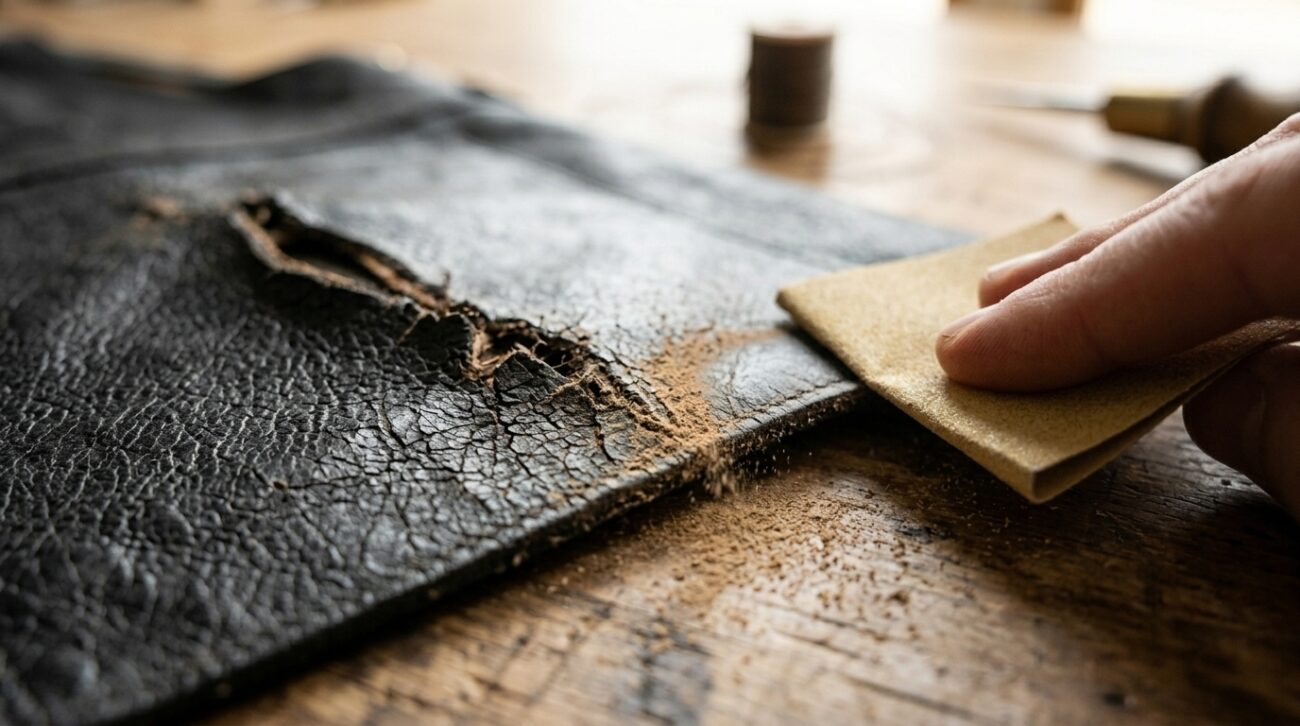
Over time, the edges and corners of a leather apron often become cracked, rough, or uneven from constant use. These areas may not look serious at first, but they can lead to larger tears if ignored.
Use fine leather sandpaper very gently to smooth rough edges without damaging the surrounding surface. After smoothing, apply leather balm or conditioner to restore moisture and prevent further cracking. This simple repair improves both appearance and durability.
Know When Professional Repair Is the Better Choice
Some damage goes beyond simple home repair and needs professional attention. Large tears, deep cuts near stress points, heavy burn marks, or severe cracking may require expert leather restoration.
Trying to fix major damage without the right tools can make the problem worse and reduce the life of the apron. A professional leather craftsman can restore structure, replace damaged panels, and match the repair more naturally.
This is especially important for premium handmade aprons that carry both value and personal meaning. Knowing when to seek expert help is part of protecting leather the right way.
Conclusion
A torn leather apron does not always mean that it is time for a replacement. In many cases, simple repairs like stitching, patching, conditioning, or strap replacement can bring it back to life and even make it stronger than before.
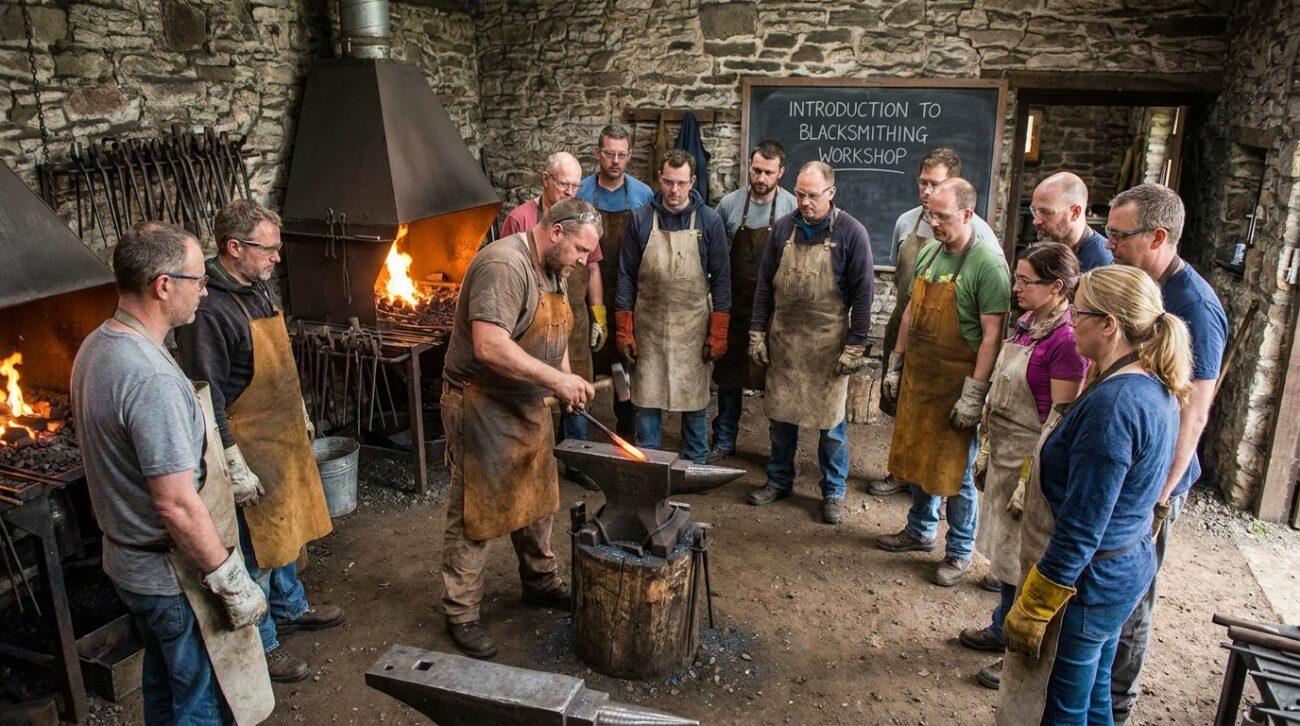
Keep in mind that leather is a material that responds well to care, so make sure to keep good care of your leather apron and remember that repair adds more character to something already built to last. Whether you are a blacksmith wearing leather apron, or using it in the kitchen, workshop, or studio, taking time to fix damage helps protect both its function and its story.
FAQ’s
Can I repair a torn leather apron at home?
Yes, small tears, loose stitching, and damaged straps can often be repaired at home using leather glue, waxed thread, and patches.
What is the best glue for fixing leather tears?
A leather-specific adhesive is the best option.
Should I stitch or glue a torn leather apron?
For small surface tears, glue works well. For deeper tears or high-stress areas, stitching is a better option.
How do I fix cracked leather edges?
Gently smooth rough edges with fine leather sandpaper, then apply leather conditioner or balm to restore moisture and prevent further cracking.
When should I take my leather apron to a professional?
If the apron has large tears, severe cracks, broken panels, or heavy burn damage, professional leather repair is the better option.