

Carrying firewood sounds simple until you have to move several logs from the wood pile to the fireplace, stove, cabin, or outdoor fire pit. Logs can be heavy, rough, dusty, and awkward to hold. Bark breaks off, wood chips fall across the floor, and carrying too much by hand can become uncomfortable very quickly.
That is where a firewood carrier becomes useful. A well-made leather firewood carrier helps keep logs gathered together, makes them easier to carry, and adds a cleaner, more organized feel to the whole fireplace routine.
This guide explains what a firewood carrier is, how leather compares with canvas and fabric options, what features matter most, how to use one properly, and how to care for it so it lasts for years.
What Is a Firewood Carrier?
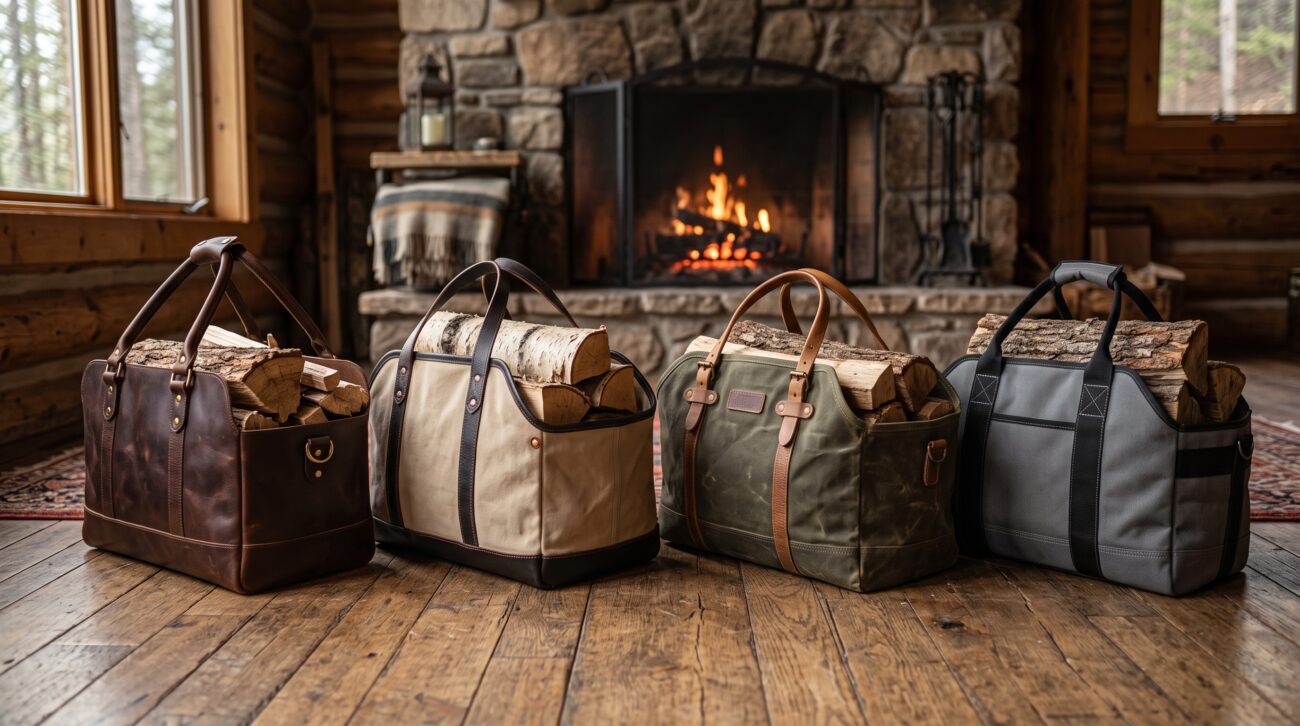
A firewood carrier is a simple carrying tool designed to help move logs from one place to another. Most carriers are made from strong materials such as leather, canvas, waxed canvas, or heavy-duty fabric. They usually have a wide body section that holds the logs and handles on both sides for carrying.
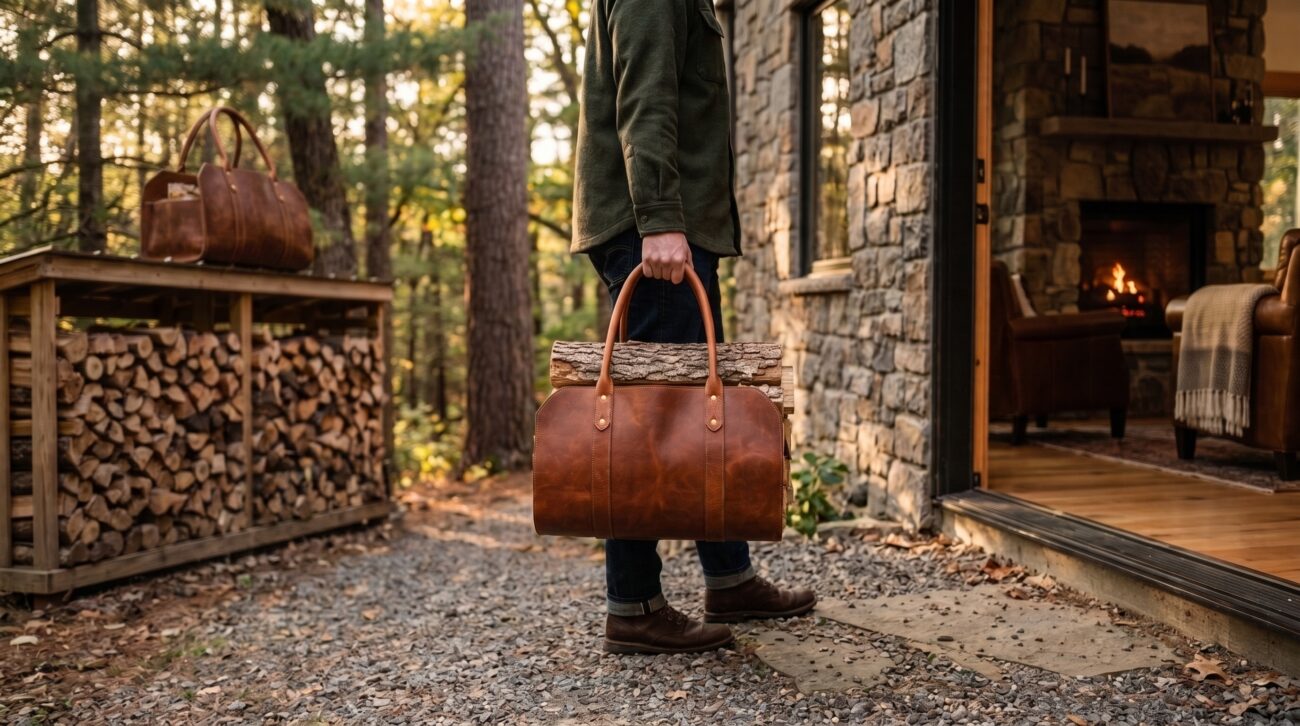
Instead of carrying logs directly in your arms, a firewood carrier holds them together in one bundle. This makes the load more stable and helps reduce the amount of bark, dirt, and wood chips that fall onto your clothing, porch, or indoor floor.
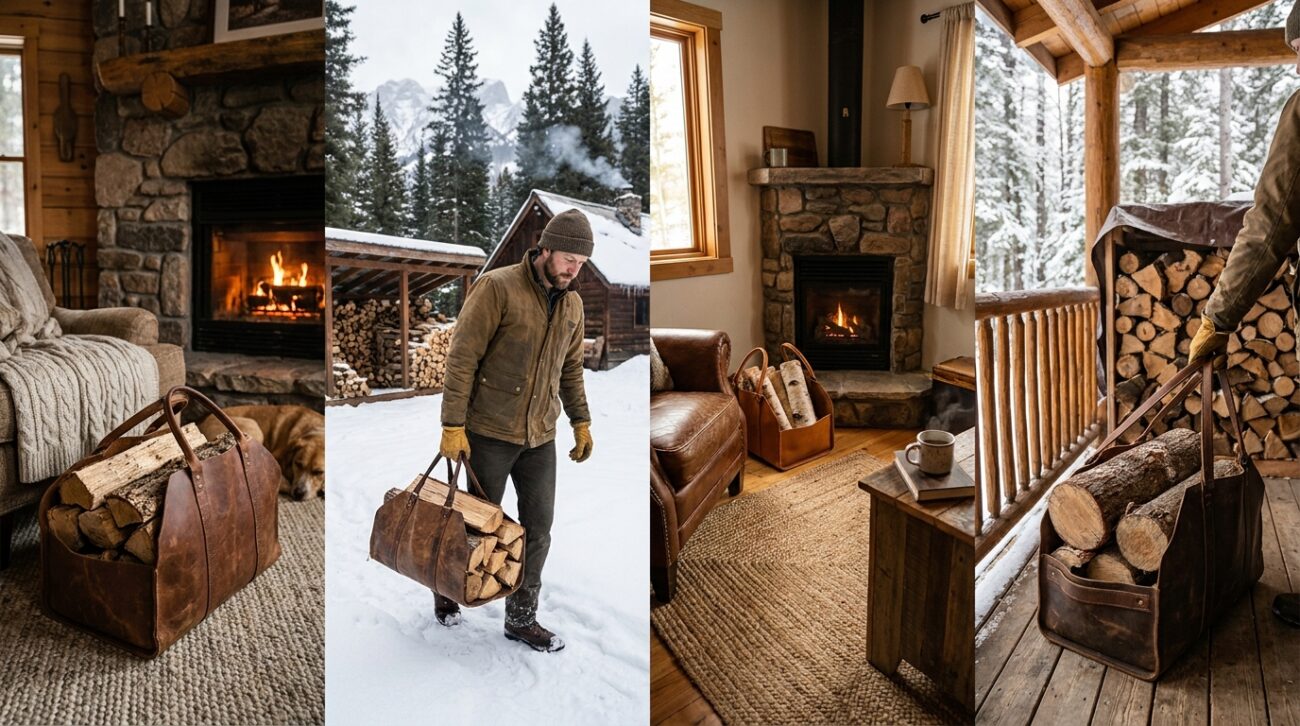
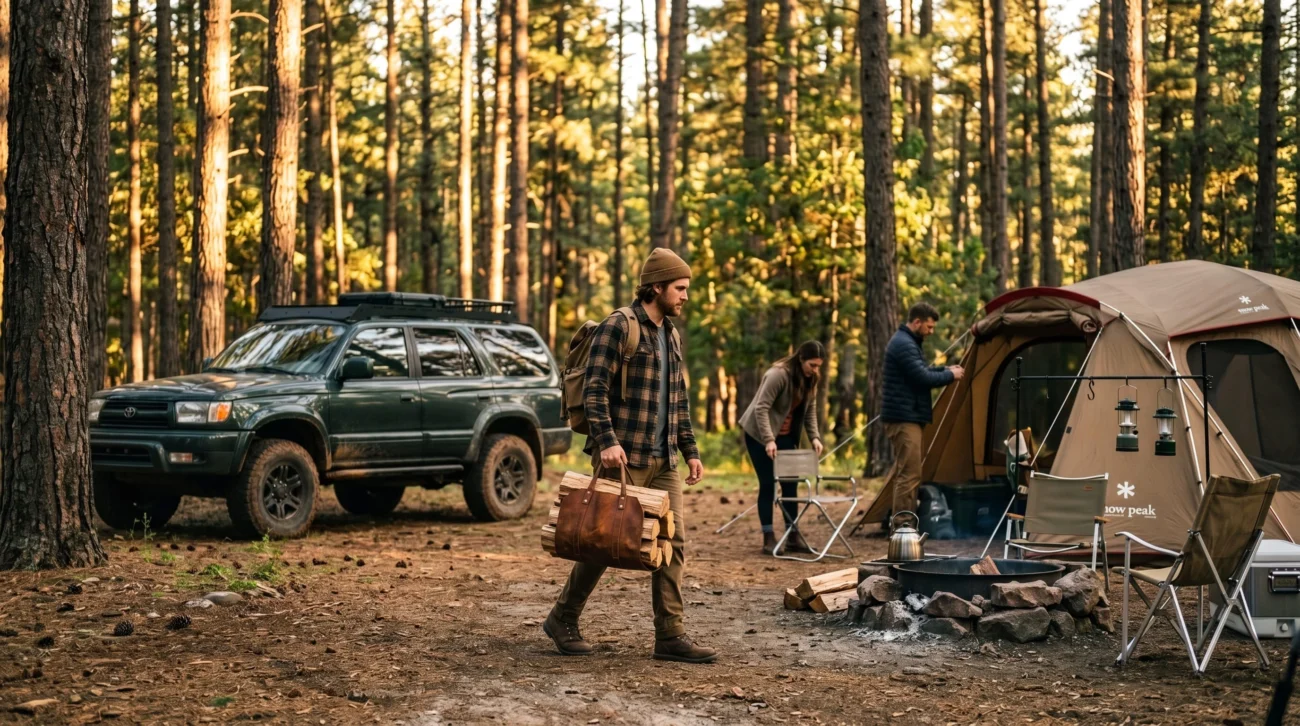
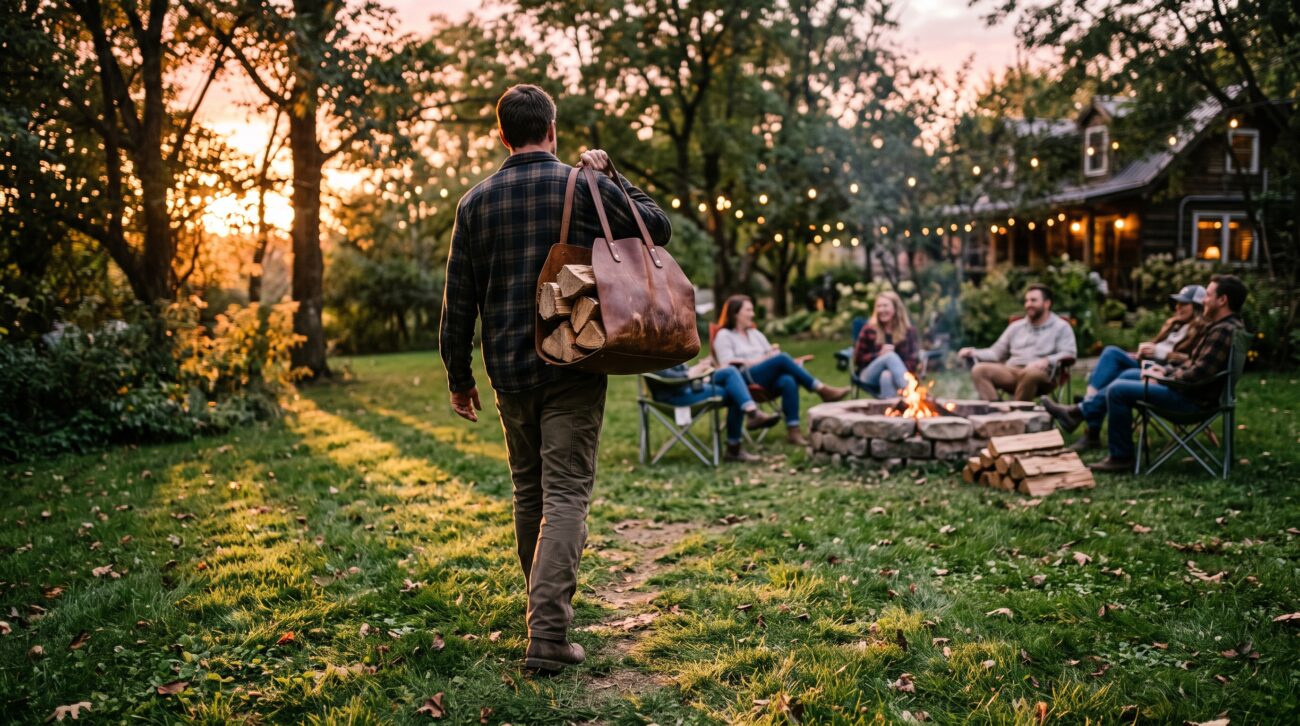
A leather log carrier is often chosen for its strength, structure, and classic rustic appearance. It can be used around indoor fireplaces, wood stoves, cabins, outdoor fire pits, and seasonal homes where firewood is part of regular living.
How Does a Firewood Carrier Work?
A firewood carrier works by creating a flexible sling or wrap around the logs. You place the carrier flat on the ground or near the wood pile, stack the firewood across the center, then lift both handles together.
As the handles come up, the body of the carrier curves around the wood. This helps contain the logs and keeps them from spreading out while you walk. The exact design can vary, but the basic purpose stays the same: to make firewood easier, cleaner, and more comfortable to move.
Some carriers are open-ended, which makes it easier to carry longer logs. Others have side panels or enclosed ends to help hold in smaller pieces, bark, and kindling.
Why Use a Firewood Carrier Instead of Carrying Logs by Hand?
Carrying firewood by hand may work for one or two logs, but it becomes less practical when you need enough wood for an evening fire. Logs can scrape your arms, dirty your clothes, or slip out of place. If the wood is uneven, damp, or freshly split, the job becomes even messier.
A firewood carrier helps solve several common problems at once. It lets you carry more logs in fewer trips, keeps the wood more controlled, and protects your hands and clothing from rough edges. It also helps keep your living space cleaner, especially when moving firewood from an outdoor pile into an indoor fireplace area.
For homeowners who use a fireplace regularly during colder months, a carrier can quickly become part of the daily routine.
Benefits of a Leather Firewood Carrier
Leather is one of the most traditional and durable materials used for firewood carriers. While canvas and fabric options can also work well, leather has a few qualities that make it especially suitable for regular fireplace use.
Keeps Firewood Organized While Carrying
Loose logs can shift, roll, or fall while being carried. A leather firewood carrier helps hold the load together, making it easier to move wood from a rack, garage, shed, or porch to the fireplace.
The structure of leather gives the carrier enough body to support the logs while remaining flexible enough to fold around them. This balance of strength and flexibility is one reason leather is commonly used for log carriers.
Helps Reduce Bark, Dirt, and Wood Chips Indoors
One of the biggest annoyances with firewood is the mess. Bark flakes, sawdust, soil, and small wood chips often fall from the logs while they are being carried.
A carrier helps collect much of that loose debris before it reaches your floor. It does not remove every bit of mess, but it can make a noticeable difference, especially when carrying wood into a living room, cabin, or fireplace area.
Comfortable for Carrying Multiple Logs
A good carrier spreads the weight across the body of the material and lets you grip the handles with both hands. This is usually more comfortable than trying to hold several logs directly against your body.
Handle design matters here. Wide, reinforced, or well-stitched handles can make a leather wood carrier more comfortable during repeated use.
Durable Enough for Regular Fireplace Use
Firewood is rough. Logs have sharp edges, uneven surfaces, bark, and sometimes moisture. A weak carrier can tear, stretch, or lose shape over time.
Leather is naturally tough, which makes it a strong choice for carrying heavy, abrasive loads. When the stitching, rivets, and handles are properly made, a leather log carrier can handle regular seasonal use with proper care.
Adds a Rustic Look to Fireplace Storage
Fireplace tools are often visible in the home. A leather fire log carrier can look more refined than a basic utility bag or plastic bin. Its natural texture fits well with rustic, farmhouse, cabin, lodge, and traditional interiors.
Over time, leather can also develop a natural patina. This gives the carrier more character instead of making it look worn out too quickly.
Common Types of Firewood Carriers
Firewood carriers come in several materials and designs. The best choice depends on how often you carry wood, where you use it, and how much weight you need to move.
Leather Firewood Carriers
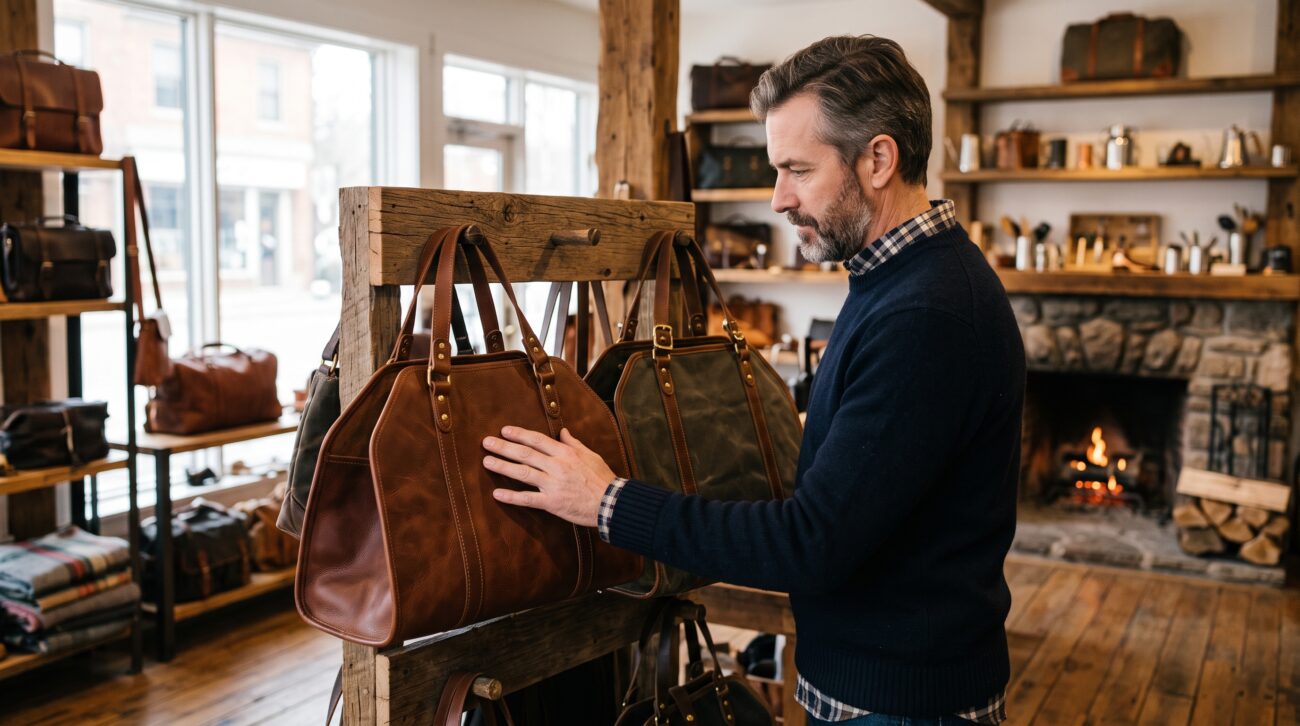
Leather fire log carriers are known for strength, durability, and appearance. They are suitable for indoor fireplaces, cabins, wood stoves, and homes where the carrier may stay visible near the hearth.
A leather carrier usually feels more premium and structured than basic fabric options. It is also a good choice for people who prefer long-lasting materials and a natural rustic style.
Canvas Wood Carriers
A canvas wood carrier is usually lighter than leather and can be more flexible. Canvas is practical for everyday use and is often easier to fold or store.
Canvas carriers can be a good option for users who want something simple, lightweight, and easy to handle. However, untreated canvas may absorb moisture more easily than leather or waxed canvas.
Waxed Canvas Log Carriers
A Waxed canvas is a canvas treated with wax for added water resistance and durability. A waxed canvas log carrier can be useful for outdoor activities, camping, and transporting wood from areas with light moisture.
It usually has a rugged look and sits between leather and standard canvas in terms of feel and performance.
Fabric and Utility Log Carriers
Some carriers are made from synthetic fabrics or utility materials. These can be lightweight and affordable, but quality varies widely. They may work for occasional use, but they may not offer the same structure, durability, or visual appeal as leather or heavy-duty canvas.
Leather vs Canvas vs Fabric Firewood Carriers
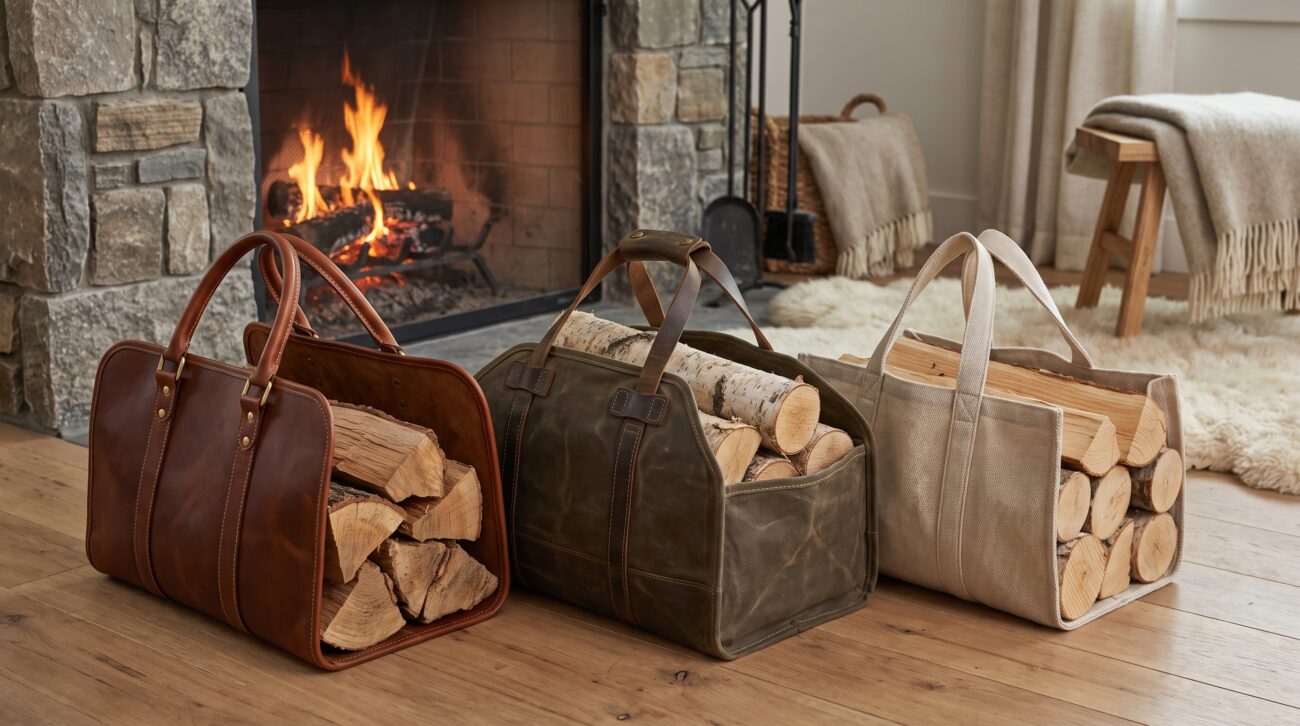
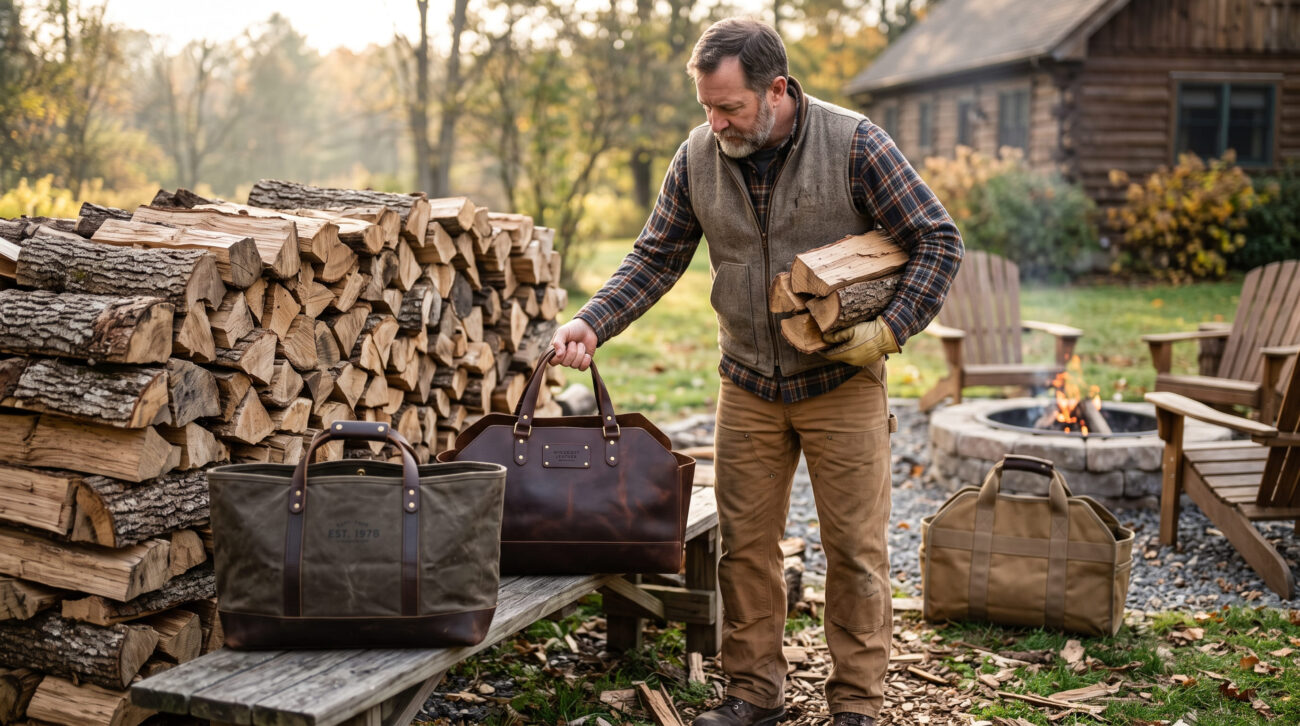
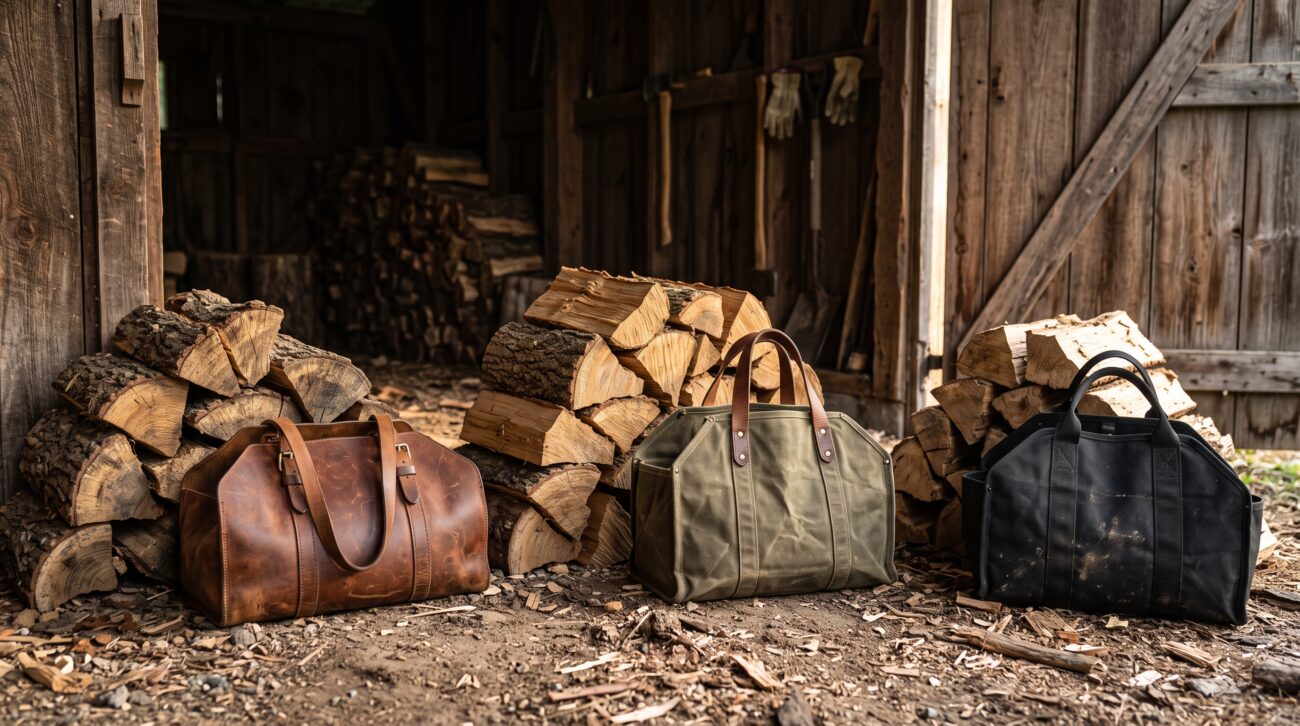
Leather, canvas, and fabric carriers can all be useful, but they serve slightly different needs.
A leather firewood carrier is ideal for individuals seeking strength, structure, and a classic appearance. It works especially well for indoor fireplaces, cabins, and homes where the carrier may be part of the fireplace setup.
A canvas log carrier is often lighter and more casual. It can be practical for regular use, especially when the focus is on function rather than appearance. Waxed canvas adds more resistance to moisture and outdoor conditions.
Basic fabric carriers are usually the most lightweight option, but they may not last as long under heavy use. They can be fine for occasional carrying but may not be ideal for larger logs or frequent winter use.
The right choice depends on your priorities. If you value durability and appearance, leather is a strong option. If you need something lighter and more flexible, canvas may be suitable. If the carrier will be used mainly outdoors, waxed canvas can also make sense.
How to Choose the Right Leather Firewood Carrier
A good leather firewood carrier should be strong, practical, and comfortable to use. The design does not need to be complicated, but the details matter.
Consider the Size of Your Firewood
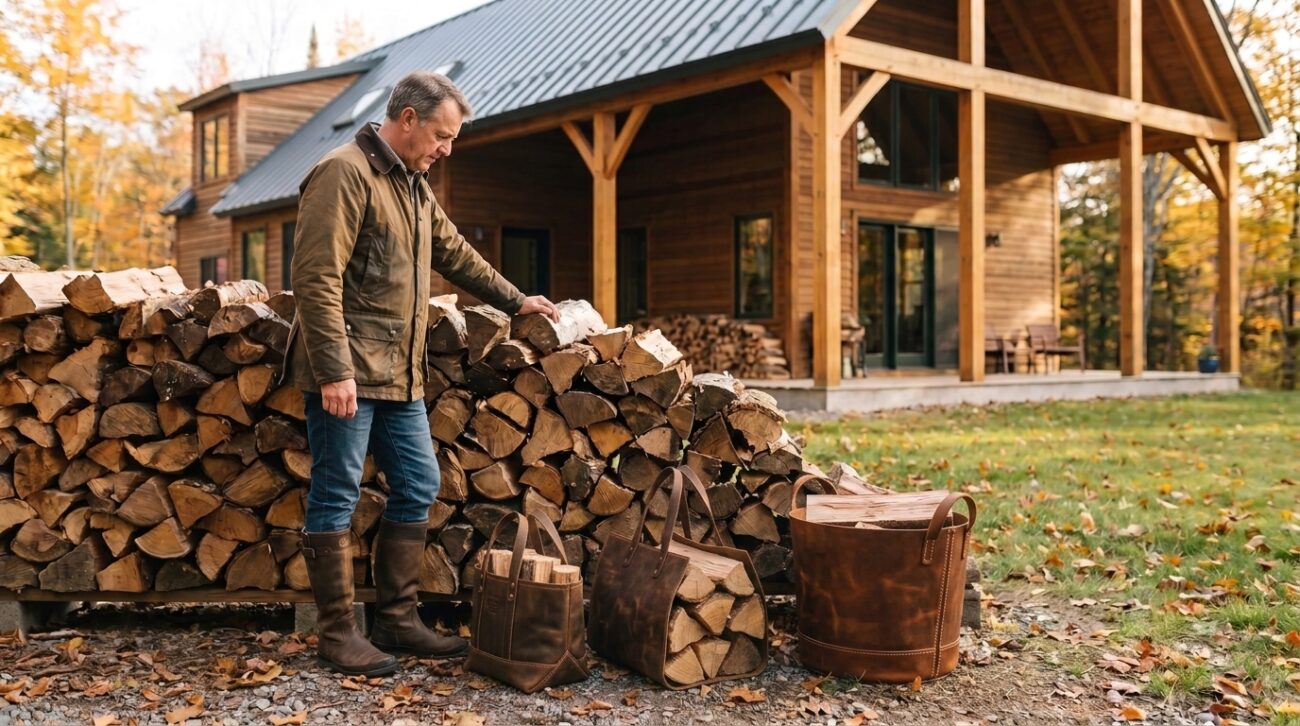
Before choosing a carrier, think about the length and thickness of the logs you normally use. Indoor fireplace logs are often shorter and easier to manage, while outdoor fire pit logs may be larger and heavier.
An open-ended carrier can work well for longer logs because the wood can extend slightly beyond the sides. A more enclosed design may be better for smaller pieces, kindling, and bark control.
Check the Leather Thickness and Strength
The leather should feel strong enough to support heavy logs without stretching too easily. Very thin leather may look nice at first, but it may not hold up well against rough wood.
A firewood carrier does not need to be overly stiff, but it should have enough body to support weight and resist tearing. Full-grain or heavy-duty leather is usually preferred for long-term use.
Look at the Handle Design
Handles carry most of the strain. Weak handles can make even a good-looking carrier uncomfortable or unreliable.
Look for handles that are reinforced, firmly stitched, or attached with strong hardware. They should be comfortable enough to grip when the carrier is loaded with wood.
Review the Stitching, Rivets, and Reinforced Areas
The stress points of a leather log carrier are usually around the handles, corners, and any folded or riveted areas. Strong stitching and proper reinforcement help the carrier hold up under repeated use.
Small details can make a big difference. A carrier may fail not because the leather is poor, but because the handles or stitching were not built for weight.
Choose Based on Indoor, Outdoor, or Camping Use
For indoor fireplaces, appearance and cleanliness may matter most. For outdoor fire pits, durability and moisture resistance may be more important. For camping, portability and easy storage can be helpful.
A leather carrier works especially well when you want a durable, good-looking option for home and cabin use. For rough outdoor conditions, pay extra attention to how the leather is cared for and stored.
Pro Tip:“Choose a firewood carrier based on the size of your logs and how often you use your fireplace, not just how the carrier looks beside the hearth.”
What Size Firewood Carrier Do You Need?
The right size depends on the kind of wood you carry. A carrier should be wide enough to support the logs but not so large that it becomes difficult to lift when full.
For indoor fireplaces, a medium-sized carrier is usually enough for several logs at a time. For larger wood stoves, cabins, or outdoor fire pits, a bigger carrier may be more practical.
It is also important not to think only about capacity. A larger carrier can hold more wood, but that also means more weight. The best size is one that lets you carry enough logs comfortably without overloading your hands, arms, or back.
How Much Weight Can a Leather Log Carrier Hold?
The weight a leather log carrier can hold depends on the leather quality, stitching, handle construction, and overall design. Thick leather alone is not enough if the handles are weak or the stitching is poorly done.
A well-made carrier should handle regular fireplace loads without difficulty. However, it is still better to avoid overloading it. Firewood can become heavy quickly, especially if the logs are dense, large, or not fully dry.
A practical rule is to carry what feels balanced and controlled. If the carrier is difficult to lift, the logs are shifting too much, or the handles feel strained, the load is probably too heavy.
How to Load a Firewood Carrier Properly
To load a firewood carrier, place it flat on the ground with the handles spread open. Lay the logs across the center of the carrier, keeping the heaviest pieces at the bottom. Try to stack the wood evenly so the weight is balanced on both sides.
Avoid placing sharp edges directly against stitching or handle joints when possible. If you are carrying kindling or smaller pieces, place them toward the center so they do not fall out while walking.
Once loaded, lift both handles together and allow the carrier to wrap around the wood. Before walking, make sure the load feels secure and balanced.
How to Carry Firewood Without Making a Mess
Firewood mess is usually caused by loose bark, dirt, sawdust, and small chips falling during transport. A carrier helps, but the way you handle the wood also matters.
Shake off loose bark before bringing logs indoors. Avoid dragging wood across the floor. If the logs are damp or covered in dirt, let them sit outside or near a covered storage area before carrying them inside.
A leather wood carrier can help collect debris while you move the logs. After use, empty the carrier outside or over a suitable area before storing it.
Indoor Firewood Storage Tips
Indoor firewood should be stored neatly, safely, and away from too much moisture. Keep only a reasonable amount of wood indoors at one time. Large piles can bring in dirt, insects, and excess moisture.
A small rack, basket, or carrier near the fireplace can keep the area organized. Make sure the wood is dry before placing it close to the hearth.
Do not place firewood too close to open flames, heaters, or hot stove surfaces. Even when the wood is meant for burning, storage should still be safe and controlled.
How to Clean a Leather Firewood Carrier
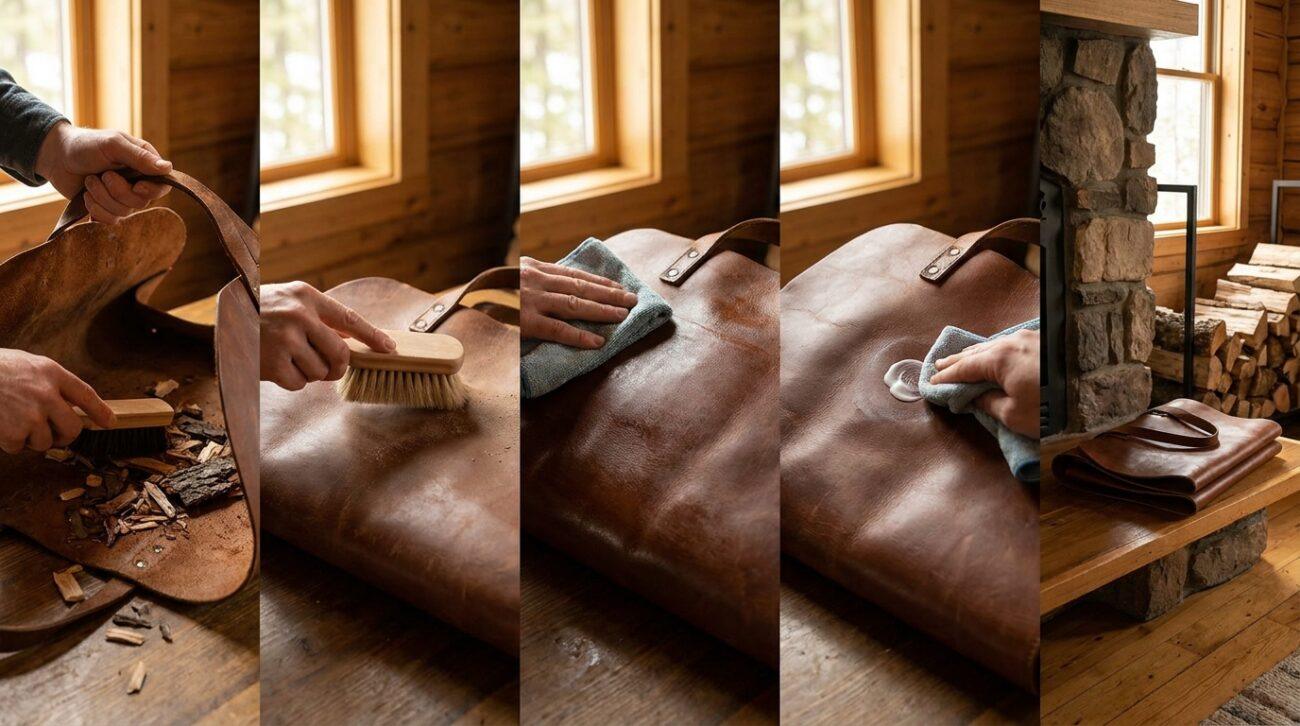
Cleaning a leather firewood carrier is simple if done regularly. Start by shaking out loose bark, dust, and wood chips. Use a soft, dry cloth or brush to remove surface debris.
For light dirt, wipe the leather with a slightly damp cloth. Do not soak the leather or use harsh cleaning chemicals. After wiping, let the carrier air dry naturally away from direct heat.
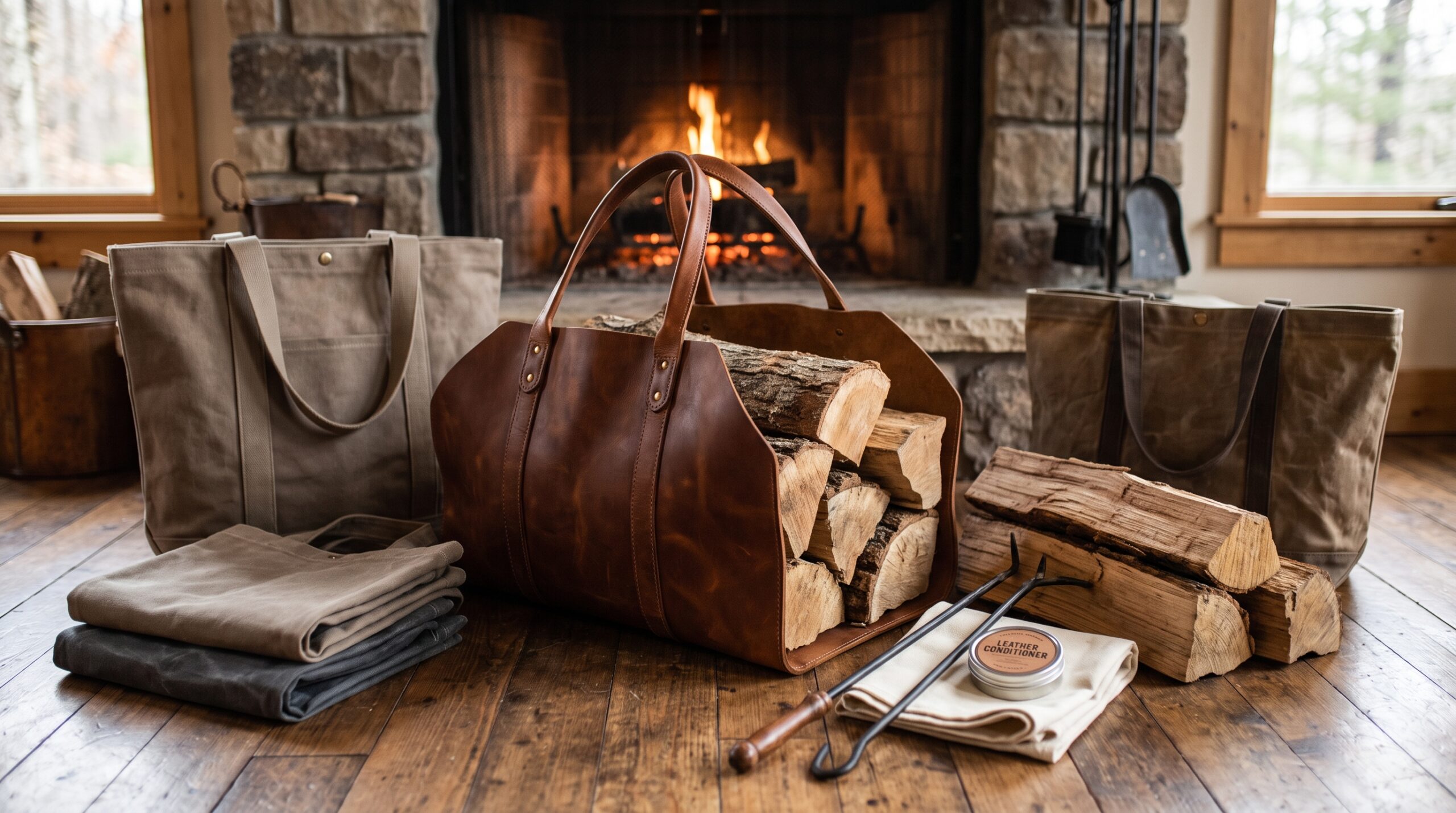
Once dry, a suitable leather conditioner can help keep the material from becoming too dry or stiff. Always use conditioner sparingly and test it on a small, hidden area if you are unsure how the leather will react.
How to Condition Leather After Heavy Use
Leather can dry out over time, especially after repeated contact with rough logs, cold air, and seasonal storage. Conditioning helps maintain flexibility and reduces the chance of cracking.
Use a leather conditioner made for natural leather goods. Apply a small amount with a soft cloth, working it gently into the surface. Let it absorb, then wipe away any excess.
Conditioning does not need to be done after every use. For most homeowners, occasional conditioning before or after fireplace season is enough.
Can a Leather Firewood Carrier Get Wet?
A leather firewood carrier can handle light exposure to moisture, but it should not stay wet for long periods. Water can darken leather, stiffen it, or cause damage if the carrier is stored while damp.
If the carrier gets wet, wipe off excess moisture with a clean cloth and let it dry naturally at room temperature. Do not place it directly beside a heater, fireplace, or strong sunlight to speed up drying. Too much heat can dry the leather too quickly and cause stiffness or cracking.
After the leather is fully dry, conditioning may help restore flexibility.
How to Store a Leather Log Carrier When Not in Use
When fireplace season ends, clean the carrier before storing it. Remove bark, dust, and dirt, then make sure the leather is completely dry.
Store it in a cool, dry place away from direct sunlight and damp areas. Avoid folding it tightly for long periods if the leather is thick, as this may create creases. If possible, lay it flat or loosely folded.
Good storage helps the carrier keep its shape and prevents unnecessary wear during warmer months.
Care Note:“Leather lasts longer when it is cleaned before storage and allowed to dry naturally after use.”
Common Firewood Carrying Mistakes to Avoid
A firewood carrier is simple to use, but a few mistakes can shorten its life or make carrying logs harder than it needs to be.
Overloading the Carrier
Trying to carry too many logs at once can strain the handles, stitching, and your body. It is better to make an extra trip than to overload the carrier beyond what feels comfortable.
Dragging It Across Rough Surfaces
Dragging a leather carrier across concrete, gravel, or rough outdoor surfaces can scratch and weaken the leather. Lift the carrier instead of pulling it along the ground.
Storing It While Damp
Moisture is one of the biggest problems for leather. Always let the carrier dry before putting it away, especially after outdoor use.
Ignoring Loose Stitching or Hardware
If stitching begins to loosen or rivets feel weak, address the issue early. Small repairs are easier than fixing a carrier after a handle fails.
Using the Wrong Carrier for Large Logs
Very large or uneven logs may need a bigger, stronger carrier. Using a small carrier for oversized wood can make the load unstable and uncomfortable.
Is a Leather Firewood Carrier Worth It?
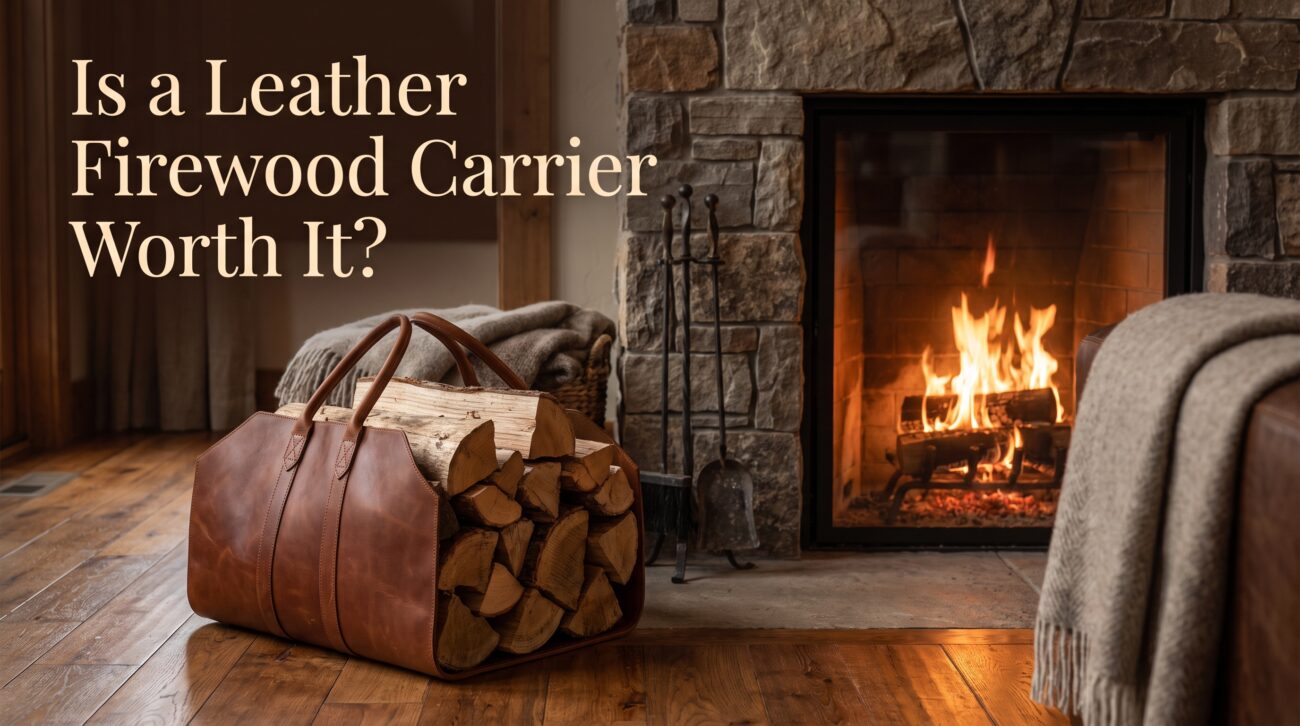
A leather firewood carrier is worth considering if you use a fireplace, wood stove, cabin, or outdoor fire pit regularly. It makes carrying logs easier, helps reduce mess, and adds a more refined look to the fireplace area.
Compared with basic fabric options, leather usually offers better structure and a longer-lasting feel. Compared with canvas, it often looks more polished and traditional. However, leather also needs proper care, especially around moisture and storage.
For occasional use, a simple canvas wood carrier may be enough. For regular fireplace use, a well-made leather carrier can be a practical and attractive long-term choice.
Final Thoughts
A firewood carrier may seem like a small fireplace accessory, but it can make a noticeable difference in daily use. It helps carry logs more comfortably, keeps wood more organized, and reduces the mess that often comes with bringing firewood indoors.
Leather, canvas, and fabric carriers all have their place, but leather stands out for its strength, structure, and timeless appearance. With the right size, good handle construction, proper care, and sensible loading, a leather firewood carrier can become a dependable part of the fireplace routine for many seasons.
FAQs
What is a firewood carrier used for?
A firewood carrier is used to move logs from a wood pile, shed, porch, garage, or rack to a fireplace, stove, or fire pit. It helps keep the logs together and reduces the mess caused by bark, dirt, and wood chips.
Is a leather firewood carrier better than a canvas log carrier?
Leather is usually stronger, more structured, and more decorative, while canvas is often lighter and more flexible. A leather firewood carrier is a good choice for indoor fireplaces and cabins, while a canvas log carrier may work well for casual or outdoor use.
How many logs can a leather firewood carrier hold?
The number of logs depends on the size of the carrier and the size of the firewood. Most carriers are meant to hold several logs at a time, but it is better to carry a balanced load than to overfill the carrier.
Can a leather firewood carrier be used outdoors?
Yes, a leather firewood carrier can be used outdoors, but it should not be left outside in rain, snow, or damp conditions. After outdoor use, clean off debris and let the leather dry before storage.
Can a leather log carrier get wet?
A leather log carrier can tolerate light moisture, but it should not stay wet. If it gets damp, wipe it dry and allow it to air dry naturally. Avoid direct heat, as it can make leather stiff or brittle.
How do you clean a leather firewood carrier?
Shake out loose bark and dirt first. Then wipe the leather with a dry or slightly damp cloth. Avoid soaking it or using harsh cleaners. Once dry, apply a small amount of leather conditioner when needed.
How should you store a leather wood carrier when not in use?
Store it clean and dry in a cool place away from direct sunlight and moisture. Avoid tight folding for long periods. Proper storage helps the leather keep its shape and prevents cracking.
What size firewood carrier is best for indoor fireplaces?
For indoor fireplaces, a medium-sized carrier is usually practical. It should be large enough to carry several logs but not so large that it becomes too heavy or awkward when full.