

The leather apron has been a trusted option for skilled workers for centuries. Long before modern protective gear, craftsmen relied on durable leather to protect themselves from heat and rough materials. From ancient civilizations to today’s workshops, leather aprons have evolved alongside trades and industries.
Over time, leather aprons became symbols of craftsmanship and professionalism. Blacksmiths, barbers, carpenters, and artisans all adopted them for their reliability. However, many people, despite absolutely loving leather, are unaware of its historical background and want to learn about it. That’s why, in this guide, we’ll share with you the entire history of the leather apron and how this essential craft tool has evolved over the years.
Origins of the Leather Apron in Ancient Civilizations
The earliest leather aprons date back to ancient civilizations, where craftsmen needed basic protection during manual work. In those days, workers in regions like Egypt, Mesopotamia, and Greece used animal hides to protect their clothing and skin. In those days, leather was widely available, strong, and resistant to heat, which made it ideal for early metalworkers and builders. These early aprons were simple in design, often consisting of a single piece tied around the waist.
Artisans working with stone, wood, and metals depended on leather to protect them against sparks and sharp tools. Farmers and hunters also wore leather coverings to prevent damage from rough surfaces.
Leather Aprons in Medieval Guilds and Trade
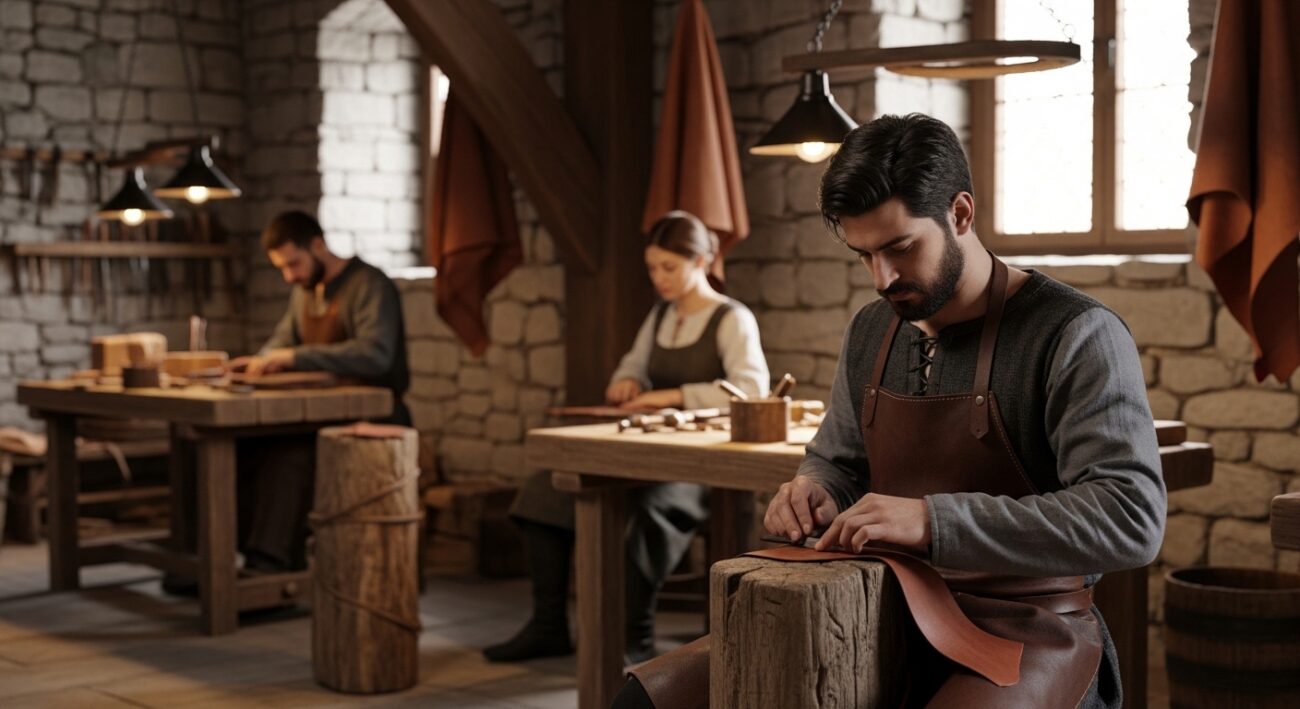
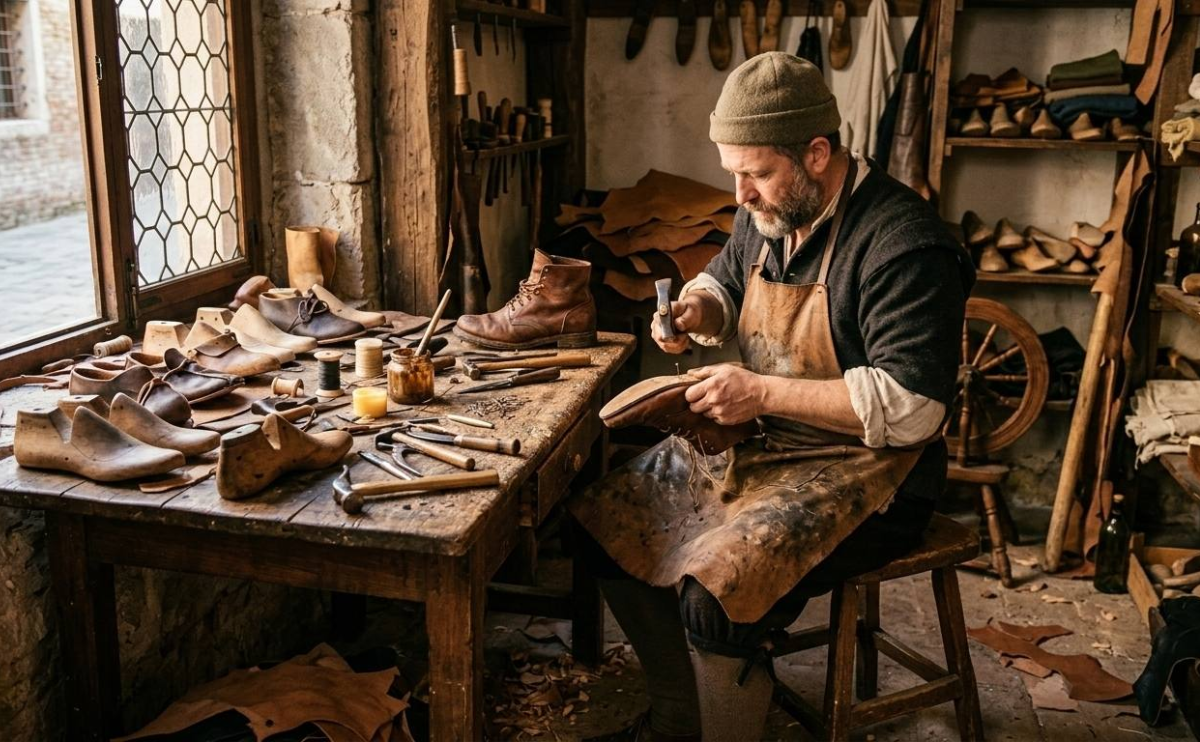
During the medieval period, leather aprons became closely associated with skilled trades. Craft guilds, which organized professions like carpentry, blacksmithing, and masonry, encouraged workers to wear protective gear for their safety.
Leather aprons symbolized professionalism and dedication to a craft. They were often thicker and better fitted than earlier versions, which provides better protection during demanding tasks.
Guild members customized aprons based on their trade. Blacksmiths used to prefer heavier leather for heat resistance, while carpenters chose lighter materials for flexibility. Aprons also helped identify workers within guilds, sometimes reflecting status or experience.
Durable stitching and reinforced edges became more common during this era. These improvements increased longevity and reliability. As trade expanded across Europe, leather aprons became standard equipment for many professions.
The Industrial Revolution: Mass Production and Standardization
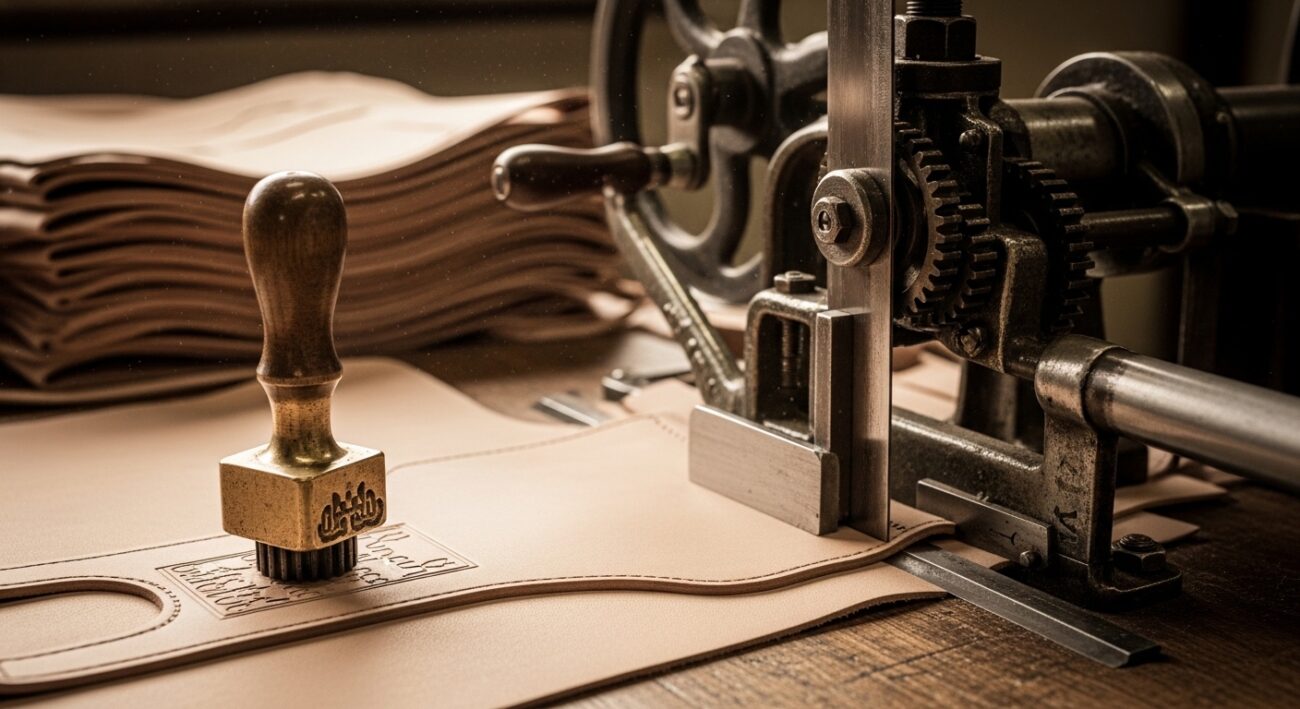
The Industrial Revolution brought major changes to how leather aprons were produced and used. As more and more factories emerged, workers faced new hazards like machinery, sparks, and heavy materials. Leather aprons became even more important protective equipment in industrial settings. Unlike earlier handmade versions, many aprons began to be produced in larger quantities to meet demand.
This was the time when manufacturers introduced adjustable straps and reinforced stitching for durability. Workers in factories, mills, and workshops relied on leather aprons for daily protection. The availability of machine-cut leather also reduced production time and cost, which made leather aprons more accessible to a wider range of professions.
Despite mass production, quality remained important. Strong leather and practical designs ensured reliability in harsh environments.
Leather Aprons in Blacksmithing and Metalwork
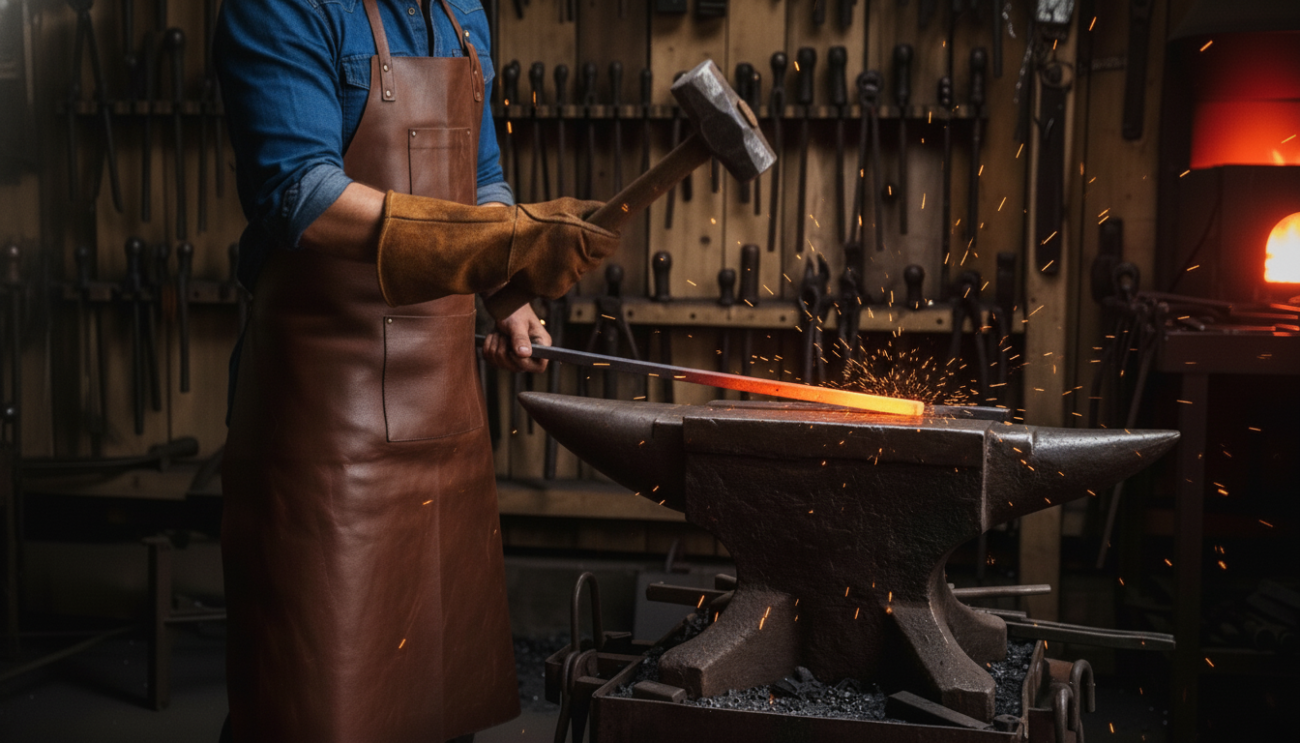
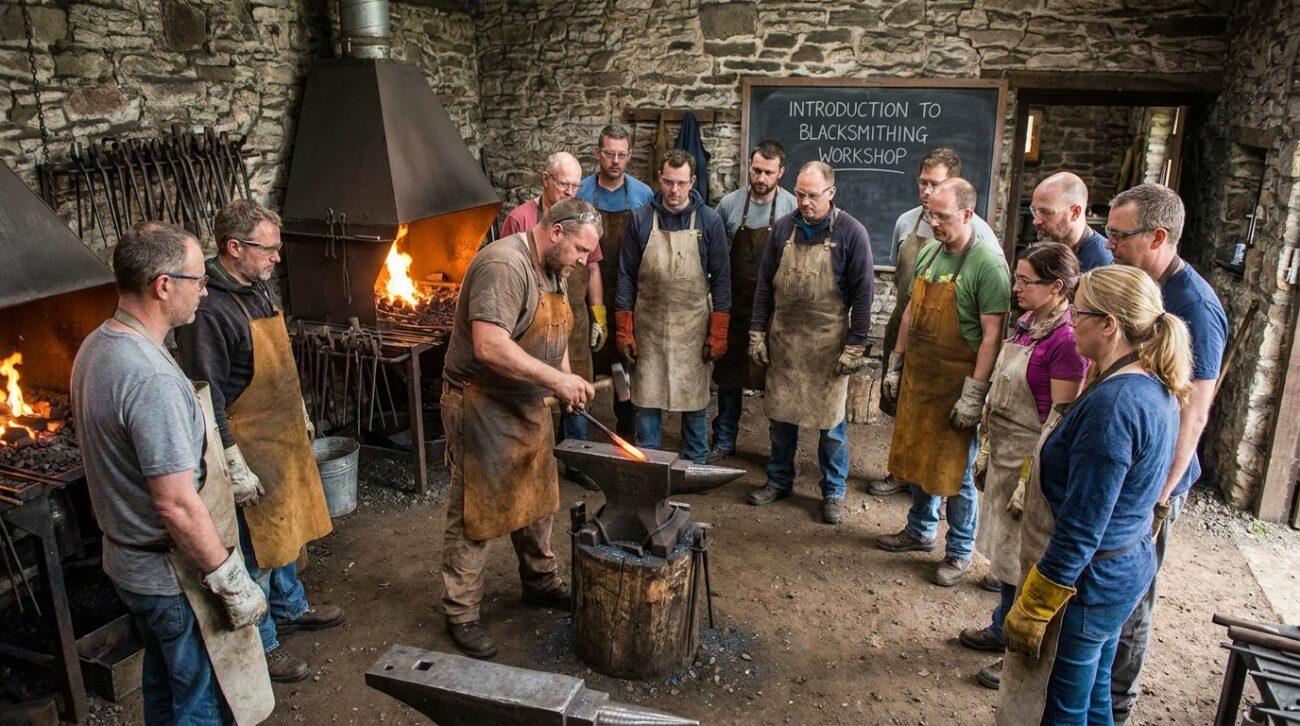
Blacksmiths and metalworkers have long depended on leather aprons for safety. Working with hot metal and heavy tools requires durable protection, and this is where thick leather can resist heat and prevent burns, which makes it ideal for these trades. Blacksmith aprons often extended below the knees to protect more of your body. Wide straps distribute your weight evenly for comfort during long hours.
Metalworkers also valued leather aprons for their durability. They can protect against sharp edges and flying debris. Over time, specialized designs appeared, including split-leg aprons for better mobility. These allowed workers to move freely while maintaining protection.
The association between blacksmithing and leather aprons became strong. Even today, many modern blacksmiths prefer traditional leather designs because of their reliability and strength.
The Rise of Leather Aprons in Barbering and Hospitality

Leather aprons eventually expanded beyond heavy trades into service industries. Barbers began wearing them to protect their clothes from hair, water, and grooming products. Leather offers durability and a professional appearance, which makes it popular in barber shops. Unlike heavy industrial aprons, barber aprons are lighter and more stylish.
In hospitality settings, leather aprons became fashionable among chefs, baristas, and servers. They combined protection with a polished look. Restaurants and cafés also adopted leather aprons to create a professional identity.
Designers introduced slimmer fits and softer leather for comfort. This shift showed how leather aprons adapted to modern aesthetics.
World Wars and the Functional Shift of Leather Aprons
During the World Wars, leather aprons took on a more practical and protective role. Soldiers, mechanics, and factory workers needed reliable protection while repairing equipment and producing machinery. Leather aprons were widely used in those days in workshops for handling metal parts, welding, and tool maintenance. Their heat resistance and durability made them ideal for demanding wartime conditions.
Production demands also influenced apron design. Simpler patterns allowed faster manufacturing, while strong stitching ensured long-lasting use. Many aprons featured wider coverage to protect against sparks and debris. Workers in ammunition factories and repair units depended on leather aprons for daily safety.
Leather Aprons in Modern Craftsmanship and Maker Culture

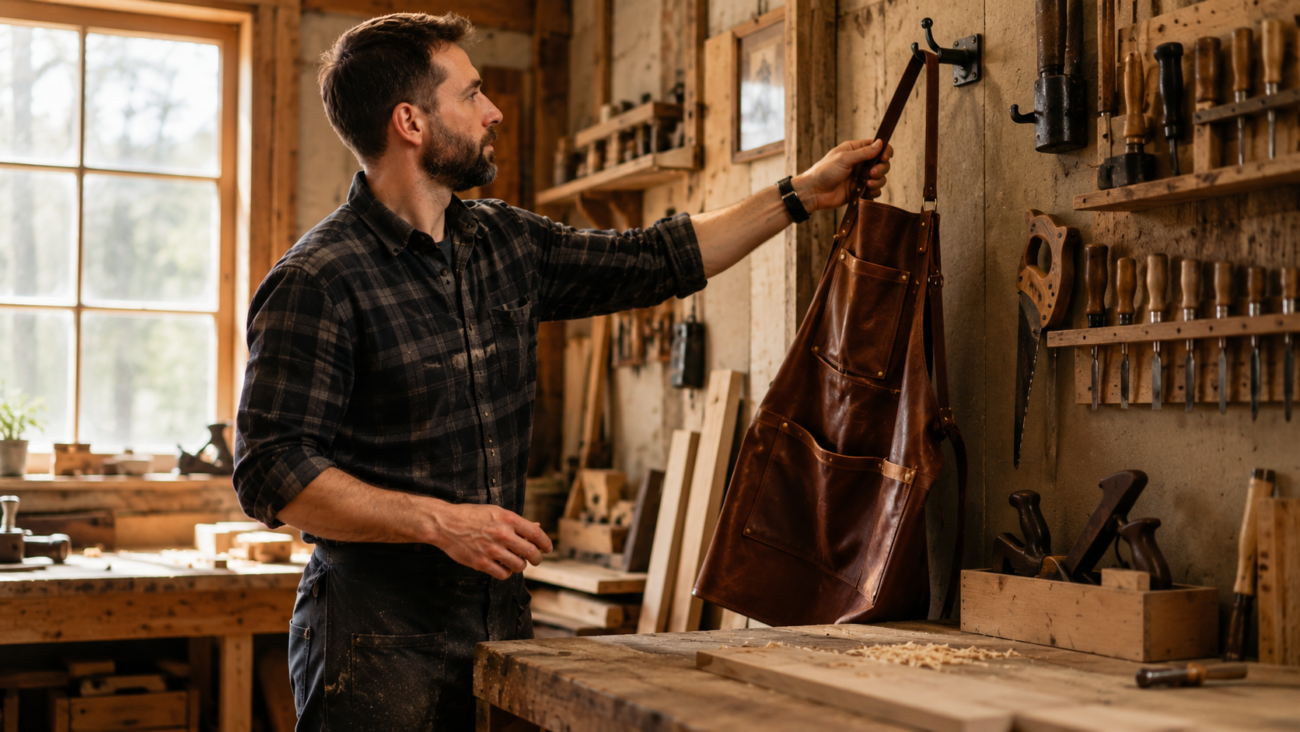
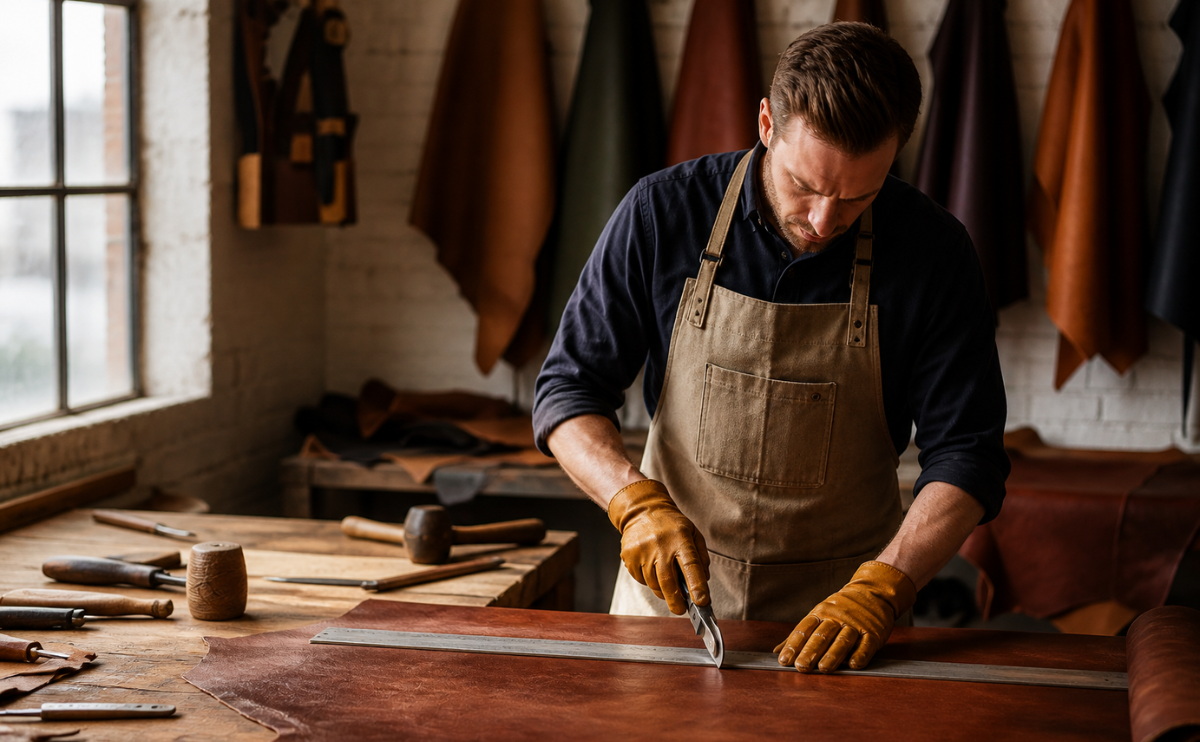
In recent years, leather aprons have experienced renewed popularity among craftsmen and hobbyists. Woodworkers, leatherworkers, and DIY enthusiasts value them for their durability and classic style. Modern maker culture also emphasizes handmade quality, and leather aprons fit naturally into this movement.
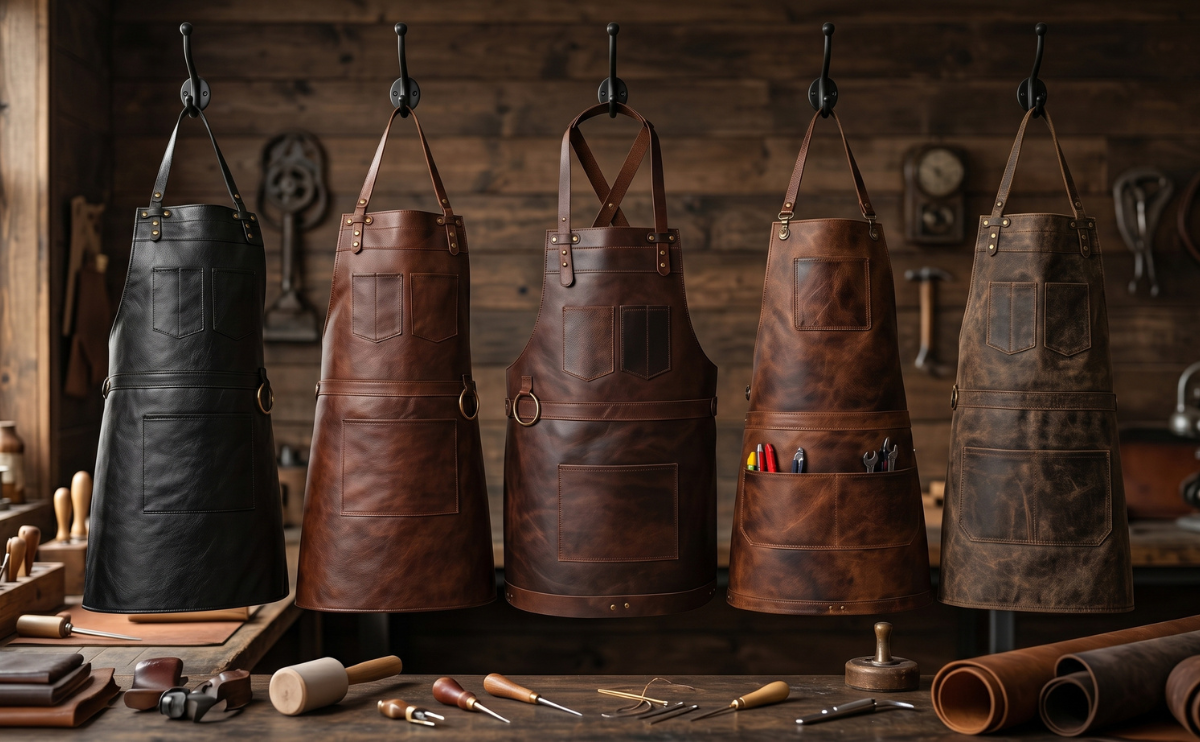
Today’s designs often include practical features like tool pockets, adjustable straps, and cross-back support. These improvements enhance comfort during long working hours. Artisans also appreciate how leather ages, developing a unique patina over time, which adds character and individuality to each apron.
Why Leather Aprons Remain Relevant Today
Leather aprons remain relevant because they combine durability, protection, and classic style. Unlike fabric aprons, leather resists heat, sharp tools, and heavy wear, which makes them suitable for various professions, from woodworking to culinary work. Their strength ensures long-term use, which reduces the need for frequent replacements.
Modern workers also appreciate comfort improvements in leather aprons. Adjustable straps and ergonomic designs, on the other hand, help distribute weight evenly. Not only that, but pockets provide easy access to tools, which further improves workflow. Leather aprons also develop character over time, which adds visual appeal. Many professionals prefer this natural aging process.
Another reason for their continued relevance is versatility. Leather aprons work in both industrial and creative settings. They offer protection without sacrificing appearance.
Conclusion
The history of the leather apron reflects the evolution of craftsmanship and industry. From ancient civilizations to modern culture, this simple tool has adapted to changing needs while maintaining its core purpose. Leather aprons protected early artisans, supported medieval guilds, and became essential during industrial growth. Their role expanded into hospitality, wartime production, and contemporary creative workspaces.
Despite technological advancements, leather aprons continue to stand out for their durability and practicality. Their classic design blends function with style, which makes them suitable for many professions.
FAQs
1. When were leather aprons first used?
Leather aprons date back to ancient civilizations, where craftsmen used animal hides for basic protection.
2. Why did blacksmiths commonly wear leather aprons?
Because blacksmiths needed protection from heat, sparks, and heavy tools, leather provided effective protection.
3. Are leather aprons still used today?
Yes, they are widely used.
4. What makes leather aprons better than fabric ones?
Leather offers stronger durability, heat resistance, and a longer lifespan compared to fabric aprons.
5. Do leather aprons require special maintenance?
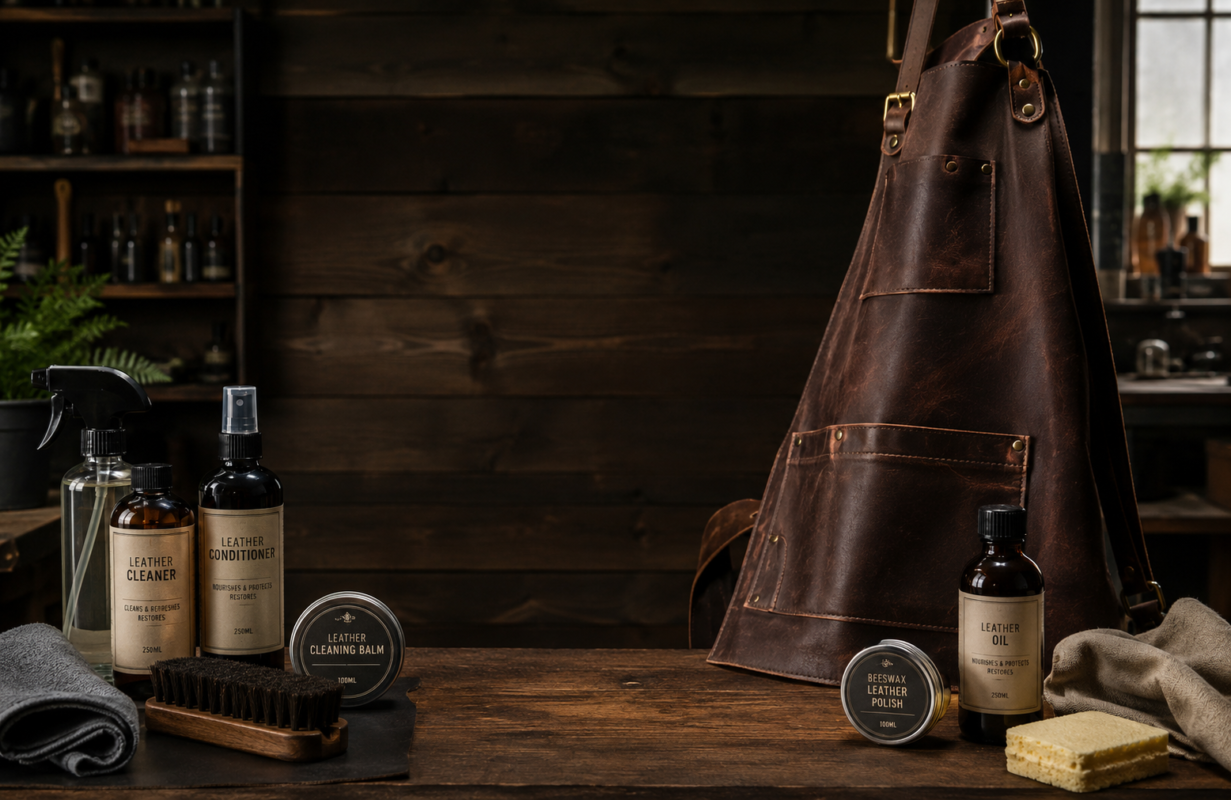
Basic cleaning and occasional conditioning can be enough.